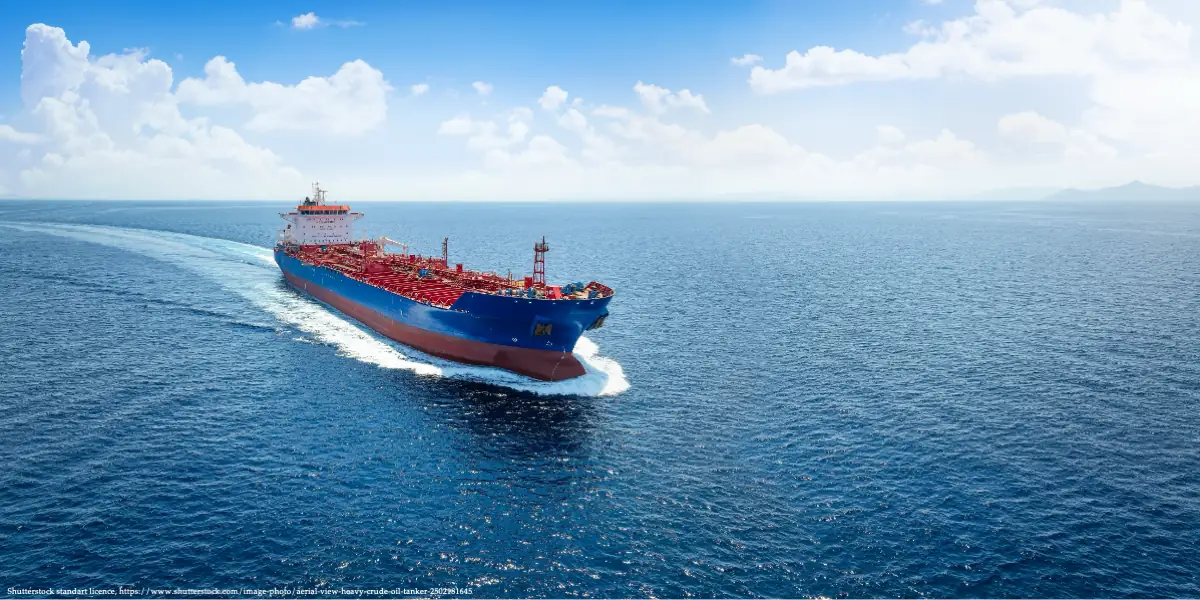
Rising military tension in the Baltic Sea reflects Russia’s growing desperation to sustain oil revenues. In a recent Forum 24 report, Swedish defense officials warned of increased Russian naval presence and armed escorts accompanying vessels from Russia’s so-called shadow fleet. The Baltic Sea has become a critical export corridor as Moscow seeks to bypass sanctions and finance its war against Ukraine.
Henrik Wachtmeister, energy researcher at the Department of Earth Sciences at Uppsala University, explained that exports from Baltic ports rose sharply after Ukrainian drone strikes disrupted shipments in the Black Sea.
“The Baltic Sea is currently a safer export route. It is farther from Ukraine,” Henrik Wachtmeister noted.
His analysis highlights how geography has reshaped Russia’s oil logistics and reinforced the Baltic’s strategic importance.
The article also underscores mounting risks. Swedish officials warned of possible military incidents and environmental disasters, as many shadow fleet vessels are aging and lack proper insurance. With as many as 30 tankers transiting the Baltic at a time, concerns extend to potential collisions, oil spills, and hybrid threats. Russian fossil fuel revenues have declined since the start of the invasion, intensifying pressure on the Kremlin to protect this trade route.
Henrik Wachtmeister cautioned that any attack on these vessels in the Baltic could create severe environmental and security consequences. Salvage operations would be complex and dangerous. To read the full article and Henrik Wachtmeister’s expert insight, visit the original article here.
Further Reading: Sanctions, Energy, and Russia’s War Economy
Energy exports remain the backbone of Russia’s economy and a tool of geopolitical leverage. Sanctions targeting this sector aim to reduce state revenue and curb Moscow’s influence abroad.
Visit the Sanctions Portal Evidence Base to access the latest research on energy sanctions against Russia.
Review the Timeline of Western Sanctions and Russian Countermeasures to see how both sides have adapted since the full-scale invasion of Ukraine.