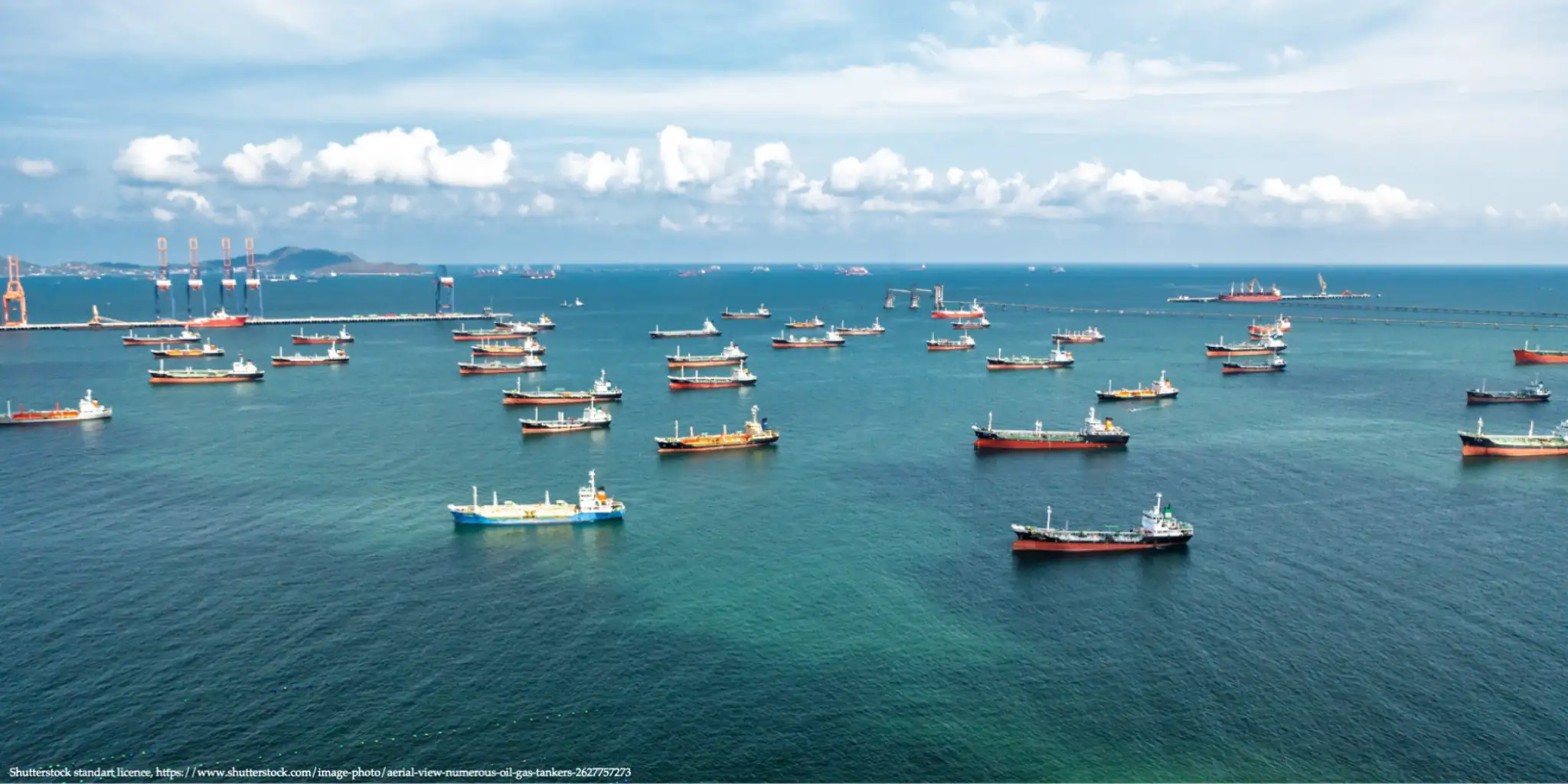
The growing crisis in the Strait of Hormuz could permanently reshape global energy routes, according to Petras Katinas. In a recent feature by Adnkronos, the outlet examined how escalating tensions in the Gulf have disrupted oil and LNG flows. The article highlights the broader geopolitical stakes as the war transforms one of the world’s most vital maritime corridors into a theater of economic conflict.
Petras Katinas, a Research Fellow in Climate, Energy and Defence within the Energy and Security Programme and the Open Climate Programme at RUSI Europe in Brussels, provided a detailed analysis of the unfolding situation. He noted that oil flows through the Strait have fallen to around 20 million barrels per day. However, Saudi Arabia continues to export roughly 5 million barrels per day via the Red Sea, offering temporary relief to global markets. Katinas warned that this stability is fragile. “The United States and China have bought time for the market,” he explained, but sustained supply declines could trigger a structural shortage in both oil and LNG markets if the blockade persists.
Petras Katinas emphasized that prolonged disruption could shift the crisis from price volatility to a physical supply shortage. He pointed to Iran’s efforts to maintain exports through alternative routes in Pakistan, the Caspian region, and Central Asia, despite severe sanctions.
“Russia stands to benefit financially from higher global prices. Moscow could exploit the instability to exert pressure on Europe, echoing the energy leverage seen in 2022,” said Katinas.
In response, the European Union is accelerating efforts to reduce dependence on geopolitically risky suppliers. Katinas stressed that the AccelerateEU strategy should be viewed as a long-term economic security plan. He argued that the Hormuz crisis reinforces the need to expand renewables and nuclear energy. Even if a ceasefire occurs, recovery will be slow. Mine clearance may take weeks, but restoring damaged infrastructure could require months or years. As Petras Katinas concluded, the damage to shipping volumes and investment flows could permanently redefine global energy routes.
To read the full interview and expert insights from Petras Katinas, access the complete article published by Adnkronos via Mediapress24.
Further Analysis: Policy Briefs on the Hormuz Crisis
For a deeper assessment of the geopolitical and economic consequences of a prolonged disruption in the Gulf, readers can explore the FREE Network policy brief “Hormuz Blockade: Winners and Losers.” The analysis outlines how different global actors, including major exporters, energy-importing economies, and Russia, could gain or lose from sustained instability in the Strait of Hormuz. The brief provides a structured evaluation of market dynamics, trade rerouting, and long-term shifts in global energy flows.
In addition, the policy brief “Hormuz Shock: EU Gas Security and the Fragility of Decarbonization” examines the specific implications for Europe. It highlights how supply shocks could test the resilience of the EU’s gas market while complicating the bloc’s decarbonization agenda. The authors assess the risks to energy security, storage levels, and infrastructure, and discuss why accelerating clean energy deployment remains central to strengthening Europe’s long-term strategic autonomy.