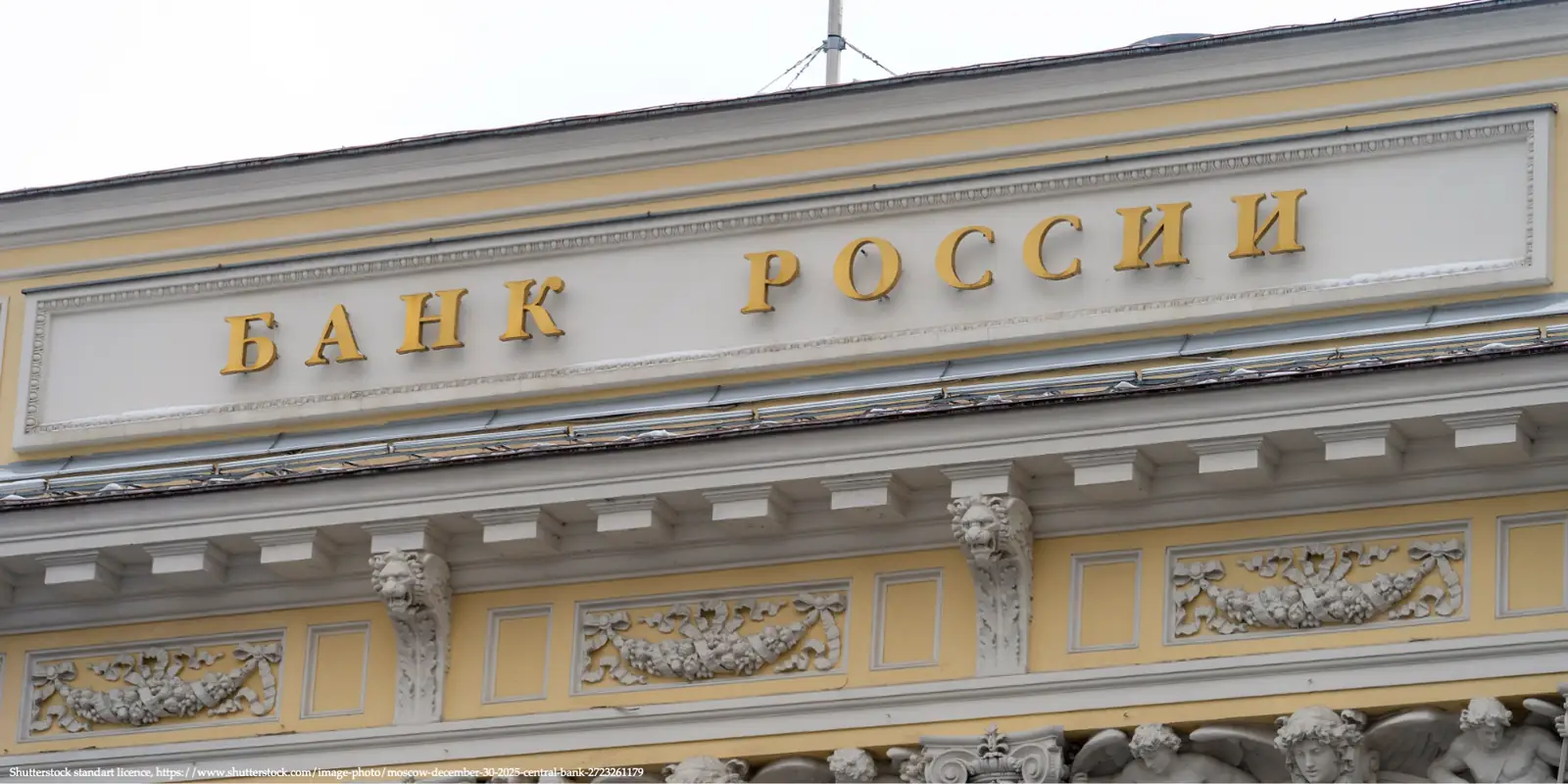
Ukraine’s drone attacks on major Russian e-commerce warehouses could add pressure to an already strained banking system. In an article published by Yle and shared by EuropeSays, economist Torbjörn Becker examines the risks facing Russian banks. He argues that the deeper problems stem from war financing, troubled loans, and weakening public confidence.
Torbjörn Becker on Russia’s Banking Crisis Risks
Torbjörn Becker, Director of the Stockholm Institute of Transition Economics (SITE) at the Stockholm School of Economics, describes the drone attacks as one element that could contribute to broader financial instability.
“This is a component of creating a banking crisis,” said Becker.
However, Torbjörn Becker cautioned against expectations of an immediate collapse of the Russian economy. Banking crises take time to develop and require broader macroeconomic pressures. According to Becker, those pressures are already linked to how Russia has financed its war economy.
Russian banks have provided extensive lending to the military-industrial sector. Meanwhile, high interest rates encouraged households and businesses to keep significant funds in bank accounts. Becker notes that some loans have since become difficult to repay. This includes lending outside the defense sector and state-subsidized loans to military industries.
Drone Attacks Could Weaken Confidence in Russian Banks
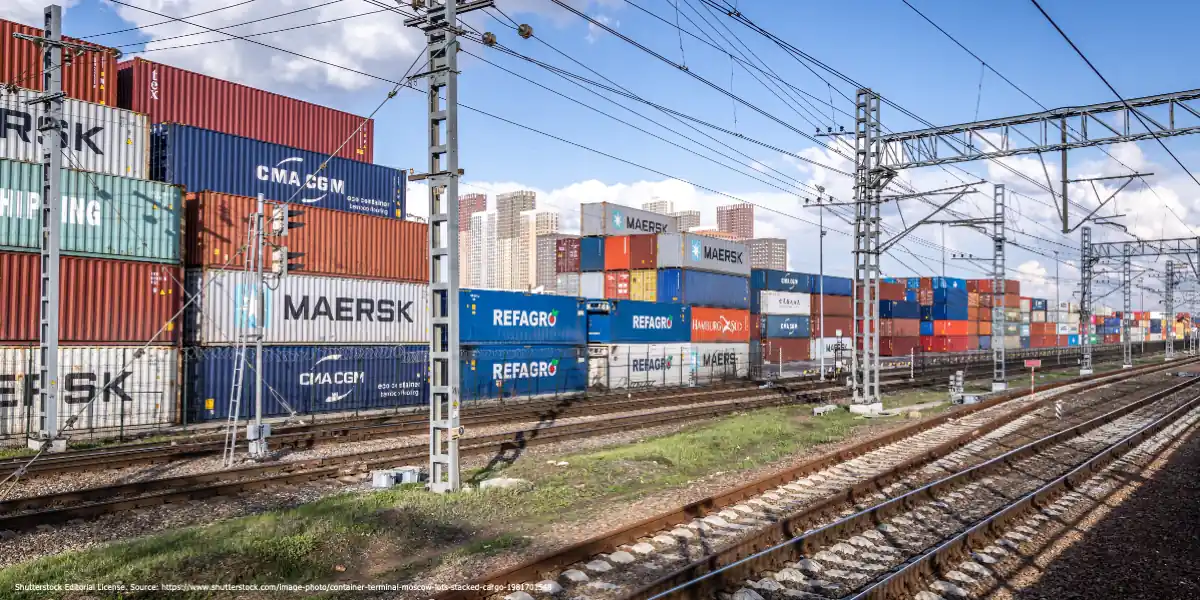
Ukraine’s attacks on warehouses belonging to Russian e-commerce companies Wildberries and Ozon could add another source of pressure. Both companies have significant relationships with state-owned banks.
“My interpretation of what is happening now is that the drone attacks are about damaging confidence in the banking system,” said Becker.
He describes problems at major companies as a potential trigger rather than the fundamental cause of financial instability. The underlying risks, Becker argues, remain connected to Russia’s war industry and interest-rate environment.
Signs of weakening confidence are already visible. According to figures cited in the article, Russian bank customers have withdrawn rubles worth €22 billion since the beginning of the year. The article reports that withdrawals are running at twice the level recorded during the first year of Russia’s full-scale invasion.
Europe’s Role in Economic Pressure on Russia
Becker also argues that Europe’s policies can influence the economic pressures facing Russia. Sanctions, trade flows, and permitted financial transactions all affect the resources available to the Russian economy.
“This is not a spectator sport for us. Europe has a part in this game,” said Becker.
He argues that stronger economic pressure requires Europe to examine its remaining trade and financial links with Russia. Becker also criticizes situations where individual corporate interests weaken sanctions measures. In his view, continued commercial gains in Russia should be weighed against Europe’s spending on security and support for Ukraine.
Read Torbjörn Becker’s Full Commentary
To learn more about Torbjörn Becker on Russia’s banking crisis risks, read the original article via EuropeSays.
The full analysis explores how Ukraine’s drone attacks could interact with deeper weaknesses in Russia’s banking system. It also examines problem loans, declining depositor confidence, interest rates, and the role European sanctions could play in increasing economic pressure on Russia.
Further Reading on Sanctions Against Russia
For more expert analysis of Russia’s economy, financial system, and wartime pressures, visit Sanctions on Russia & Russian Economic Retaliation. The portal brings together research, data, and expert analysis for researchers, journalists, and policymakers.
Explore the Sanctions Timeline for a chronological overview of Western sanctions and Russian countermeasures. Measures can be explored by date, country, and sector.
Visit the Evidence Base for recent publications and research on Russia sanctions, their effectiveness, and their economic impact.
The Media Highlights section features the latest media commentary from Torbjörn Becker and other experts on Russia sanctions, economic developments, and policy responses.