Europe must strengthen efforts to restrict Russia’s shadow fleet and reduce Moscow’s oil revenues, according to Torbjörn Becker. Speaking to Nettavisen, the Russia expert and economist examined how the European Union can increase economic pressure on Russia.
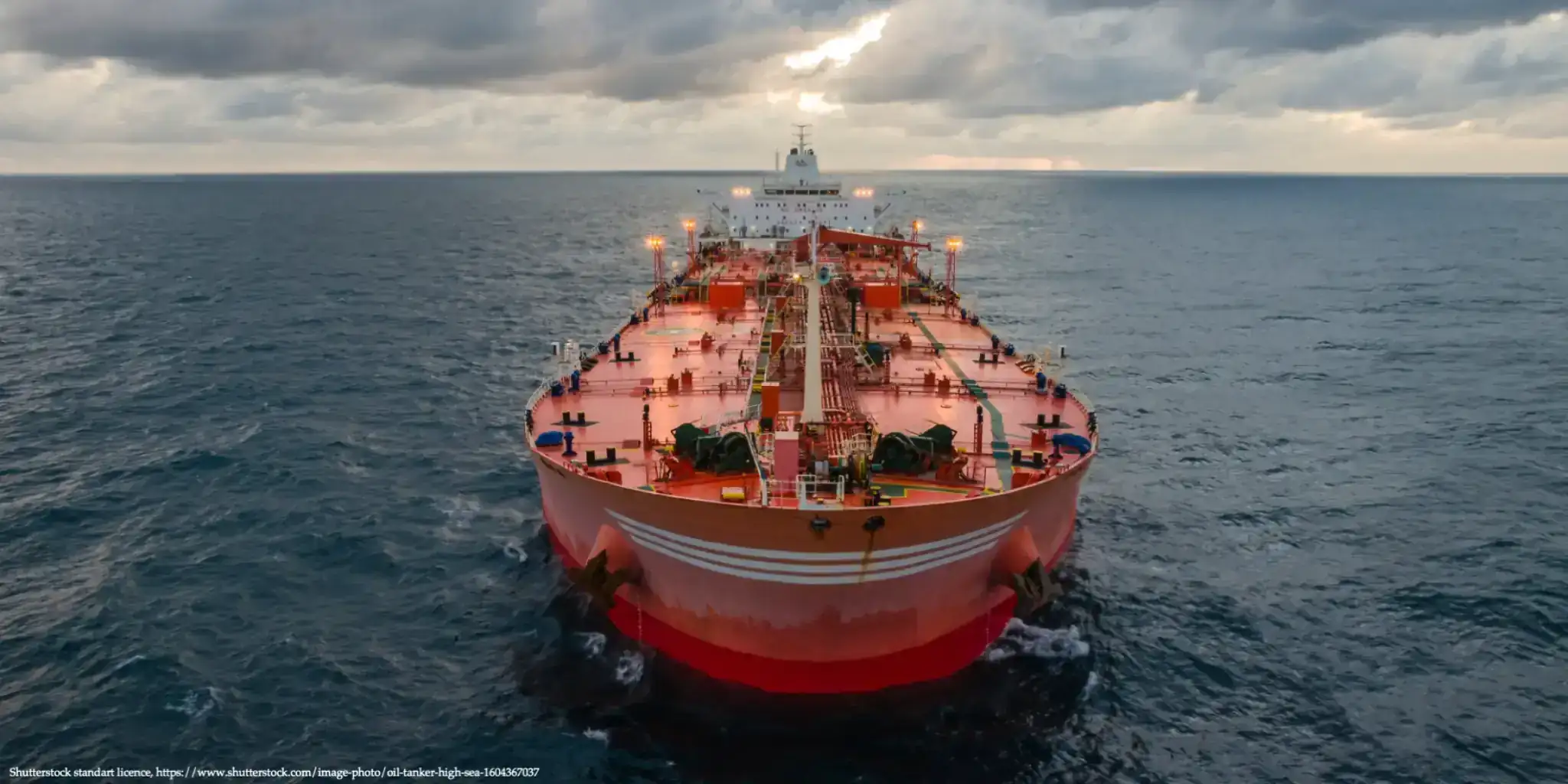
Russia’s shadow fleet consists largely of older tankers used to transport Russian energy exports outside traditional Western shipping networks. These vessels have played a role in Russia’s efforts to navigate restrictions imposed following its full-scale invasion of Ukraine.
Torbjörn Becker on Russia’s Shadow Fleet
Becker argues that limiting Russia’s energy revenues should remain central to European sanctions policy. The price Russia receives for its oil exports is particularly important.
“We have to discuss how we can limit Russia’s revenues,” said Becker.
A key instrument is the price cap on Russian oil. Becker argues that stronger enforcement must be accompanied by restrictions on the shadow fleet’s ability to transport crude oil.
“We must limit the shadow fleet’s ability to transport crude oil through the Baltic Sea. That is the tool we have,” said Becker.
However, enforcement extends beyond tankers. Buyers, banks, shipping companies, and other intermediaries can all play a role in transactions involving Russian energy.
EU Pressure and the Russian Oil Price Cap
Becker argues that Europe should use its economic influence to encourage major Russian oil customers to respect the price cap. India is particularly important because of the scale of its Russian oil purchases.
Rather than relying primarily on threats, Becker favors economic incentives. He suggests that Europe could offer India stronger trade relations in exchange for purchasing Russian oil only below an agreed price ceiling.
Such an arrangement, Becker argues, could benefit India through cheaper energy while reducing the revenue Russia receives from exports. Russia could also struggle to replace a buyer as significant as India.
“It would be a win-win for everyone,” said Becker.
Becker believes the EU can use access to its large market more strategically. Coordinated action involving the EU, G7 countries, and Norway could strengthen enforcement throughout the oil supply chain.
Europe’s Economic Strategy Toward Russia
The discussion comes as energy markets face renewed uncertainty and higher oil prices. These conditions can make restrictions on Russian oil revenues more difficult to enforce.
Becker nevertheless argues that Europe should continue using economic pressure alongside greater support for Ukraine. He also cautions against allowing threats from Russian officials to determine European policy.
“We must not become more afraid of Russia,” said Becker.
In Becker’s assessment, sanctions enforcement, stronger support for Ukraine, and restrictions on Russian energy revenues should form part of a broader European strategy.
Read Torbjörn Becker’s Full Commentary
To learn more about Torbjörn Becker on Russia’s shadow fleet, read the full article on Head Topics.
The article provides additional analysis of Russia’s oil exports, the shadow fleet, and the effectiveness of the oil price cap. It also explores Becker’s proposal for working with India and his assessment of how Europe can use its economic influence more effectively.
Further Reading on Sanctions Against Russia
For more expert analysis of Russia’s energy revenues and international economic pressure, visit Sanctions on Russia & Russian Economic Retaliation. The portal brings together data, research, and analysis for researchers, journalists, and policymakers.
Explore the Sanctions Timeline for a chronological overview of Western sanctions and Russian countermeasures. Measures can be explored by date, country, and sector.
Visit the Evidence Base for recent publications and research on Russia sanctions, the shadow fleet, energy exports, and their economic impact.
The Media Highlights section features the latest commentary from Torbjörn Becker and other experts on Russia sanctions, energy markets, economic developments, and policy responses.