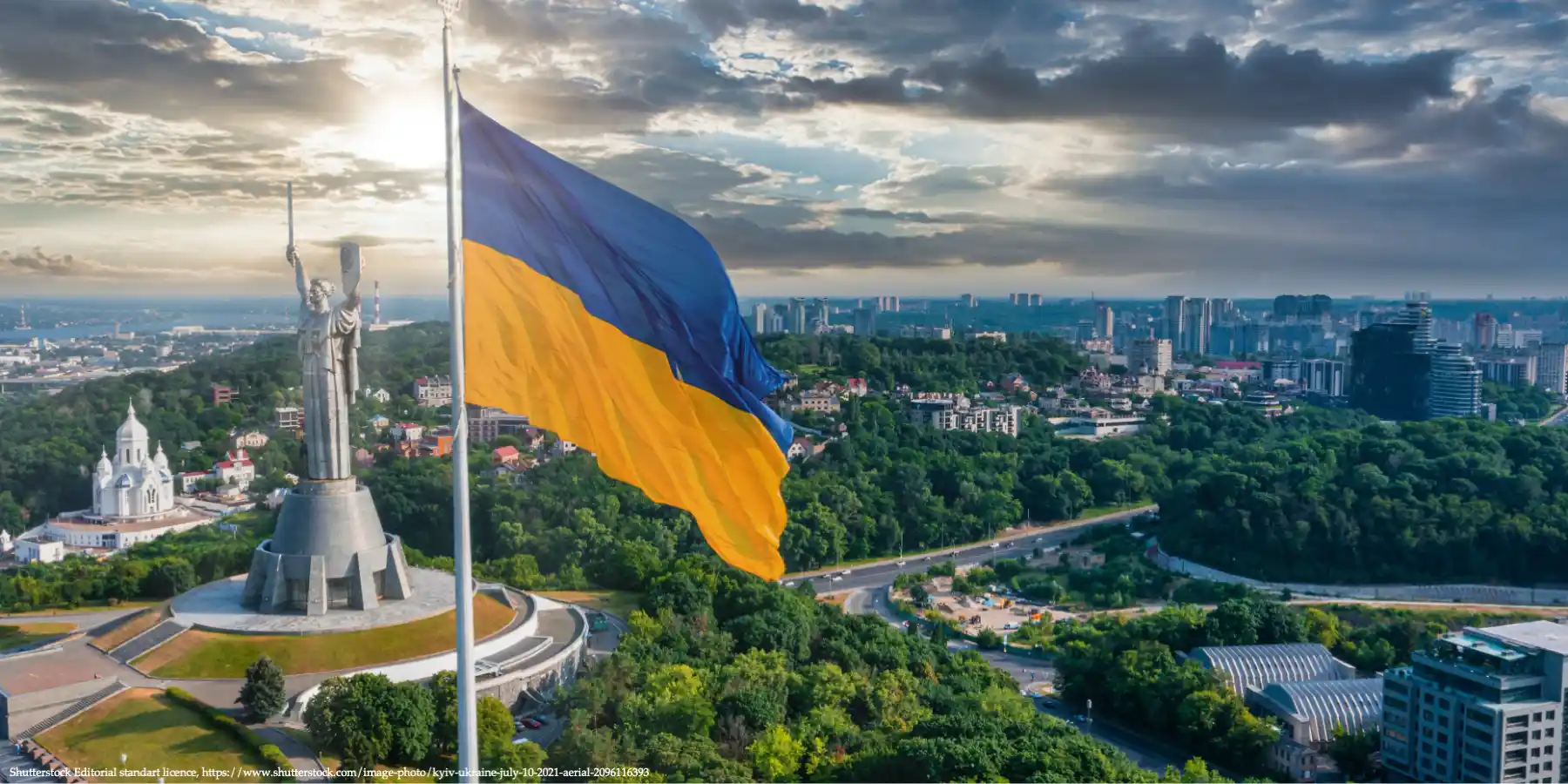
Russian attacks on industry, energy infrastructure and export routes are placing Ukraine’s economy under growing pressure. Torbjörn Becker, Director of the Stockholm Institute of Transition Economics, highlights the scale of the country’s defence expenditure and the limits of financing it through domestic taxation.
In a report published on CONVEN, Becker notes that Ukraine spends approximately 40% of its gross domestic product on defence. This is far beyond what the country can cover independently. Raising taxes would generate only a fraction of the resources required.
Russian Strikes Disrupt Ukraine’s Production and Exports
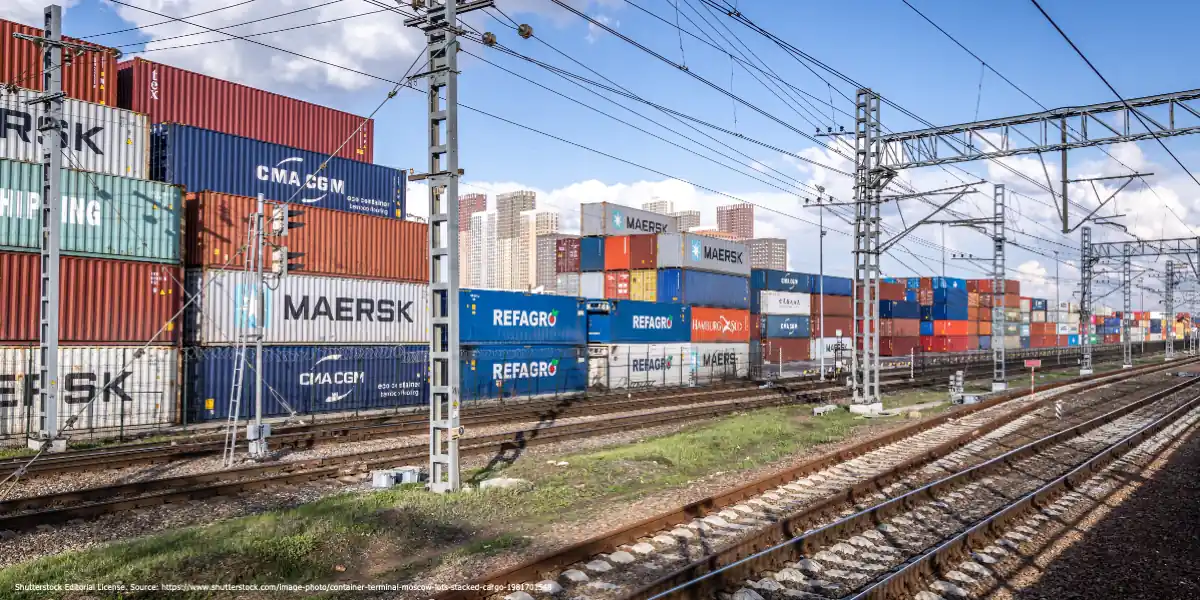
The report describes how Russian attacks are damaging interconnected parts of Ukraine’s economy, from steel production to agricultural exports. Industrial shutdowns affect suppliers, employment and railway freight revenues. Attacks on ports and shipping infrastructure make grain exports more difficult, while alternative routes increase transport costs.
For agricultural businesses, delayed sales also reduce the cash available for the next planting season. These disruptions threaten both current revenues and future production.
Defence Spending Puts Pressure on Ukraine’s Public Finances
Becker’s assessment illustrates the difficulty of funding wartime defence while maintaining essential public services.
As attacks disrupt economic activity and tax revenues, Ukraine must continue financing its military alongside salaries, pensions and healthcare. The report describes mounting budget pressure and uncertainty over future international assistance.
Becker’s contribution underscores why additional domestic taxation alone cannot close the gap between Ukraine’s resources and its defence requirements.
Read the Full Media Report
Read “Russian strikes choke Ukraine’s economy as steel shuts down and grain exports stall” for Becker’s assessment and reporting on the consequences for Ukrainian industry, agriculture and public finances.
Explore the Evidence on the Impact of Sanctions on Russia
How effective are sanctions against Russia, and what does research reveal about their economic impact? Explore the Sanctions Hub’s Evidence Base on sanctions against Russia for academic research, policy papers and analysis of sanctions implementation, enforcement and effectiveness.
Explore the Sanctions Compliance Index: Enforcement and Circumvention Risks
Why do export restrictions affect trade with Russia differently across countries, and where might enforcement gaps emerge? Explore the Sanctions Compliance Index (TRACER) to understand how legal frameworks, government enforcement, corporate compliance and structural conditions shape sanctions outcomes.
Further Reading: Using Frozen Russian State Assets to Help Finance Ukraine’s Defence
Becker’s assessment of Ukraine’s defence financing needs raises a crucial question: how can international partners provide sustained support as Russia’s attacks undermine Ukraine’s economy and public revenues?
The FREE Network policy brief “The Case for Seizing Russian State Assets” examines whether frozen Russian sovereign assets could help Ukraine defend itself against Russia’s illegal invasion and finance its resilience and reconstruction.
The brief explores legal arguments, potential economic risks and proposed mechanisms for transferring resources to Ukraine. It also explains why accessing the underlying assets could provide substantially more support than relying solely on their investment returns. Read the analysis to understand the policy choices involved in making Russian state resources contribute to the costs of Russia’s aggression.