China is playing a growing role in sustaining Russia’s energy exports despite Western sanctions. A recent Formiche.net article examines how Chinese infrastructure is helping Moscow maintain its sanctioned liquefied natural gas trade.
More than 40 cargoes from sanctioned Russian LNG projects reached the Chinese port of Beihai between August 2025 and June 2026. The pattern suggests a more organized system for receiving Russian energy exports under sanctions.
A New Infrastructure for Russia’s Energy Exports
Petras Katinas, non-resident Research Fellow at the Kyiv School of Economics (KSE) and Research Fellow at the Royal United Services Institute (RUSI), highlights the significance of China’s role. His analysis suggests that Beijing is doing more than purchasing discounted Russian energy.
Before receiving its first sanctioned Russian cargo, Beihai stopped imports from other suppliers. This effectively separated sanctioned trade from other parts of China’s LNG network. Katinas sees this as evidence of infrastructure designed to limit wider exposure while maintaining a channel for Russian supplies.
The development could extend beyond Beihai. The Longkou terminal in Shandong is also expected to receive similar Russian cargoes. Together, these developments could provide Moscow with more durable access to the Asian LNG market.
Strengthening Sanctions on Russia’s Shadow Fleet
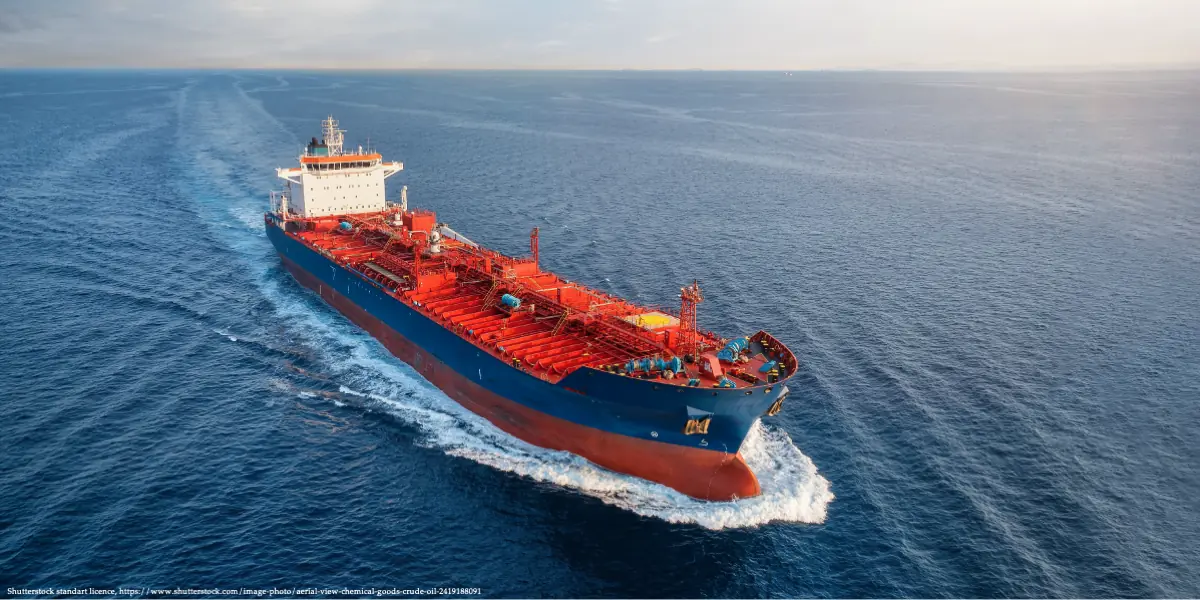
Petras Katinas outlines several options for increasing pressure on Russia’s sanctioned energy trade. One is to expand sanctions against vessels involved in transporting Russian energy, including LNG carriers.
Experience from the oil sector suggests that vessel sanctions can change behavior. According to the article, 70 percent of oil tankers designated by the U.S. Treasury’s Office of Foreign Assets Control stopped carrying Russian crude.
Katinas also calls for stronger due diligence in the sale, financing, and insurance of LNG carriers. Authorities and companies should identify final buyers and scrutinize newly created firms purchasing specialized vessels. This matters because the fleet transporting sanctioned Russian LNG has expanded from nine vessels in 2024 to 23.
Targeting the Commercial Network Behind Sanctioned LNG
The most significant challenge concerns Chinese infrastructure. Russian LNG is moving through terminals operated by the state-owned China Oil and Gas Pipeline Network Corporation, known as PipeChina. The company operates both Beihai and Longkou, alongside other LNG terminals.
Sanctioning a major Chinese operator would carry political and economic risks. However, Katinas argues that sanctions can still create deterrence by affecting relationships with Western banks, insurers, brokers, and traders.
The objective would not necessarily be to stop China from buying Russian LNG entirely. Instead, sanctions could make cooperation with companies handling sanctioned Russian energy increasingly costly for international partners. This could weaken the commercial ecosystem supporting Moscow’s energy revenues.
To explore the full discussion of Petras Katinas’s analysis of China, Russian LNG, and the shadow fleet, read the complete Formiche.net article.
Further Reading on Russia Sanctions
For more analysis of Russia sanctions, visit the Sanctions on Russia & Russian Economic Retaliation portal. It brings together data, research, and expert analysis for researchers, journalists, and policymakers.
Explore the Sanctions Timeline for a chronological overview of Western sanctions and Russian countermeasures. Measures can be explored by date, country, and sector.
Visit the Evidence Base for recent publications and research reports on sanctions and their economic impact. The Media Highlights section features the latest media commentary from Petras Katinas and other experts.