A proposed U.S. fee on cargo crossing the Strait of Hormuz raised concerns across the global shipping industry. In a recent CBS News report, experts examined the potential costs and legal implications of President Donald Trump’s proposal.
Trump initially proposed a 20% fee on cargo moving through the strategic waterway. The measure was intended to reimburse the United States for security costs in the Strait. Trump later reversed course and said the proposal would be replaced by trade and investment agreements with Gulf states.
The Strait of Hormuz remains one of the world’s most important maritime routes. Disruption there can affect energy supplies, shipping costs, and oil prices far beyond the Middle East.
Petras Katinas on the Cost to Oil Tankers
Petras Katinas, research fellow in climate, energy, and defense at RUSI Europe, explained the potential financial consequences of shipping fees in the Strait of Hormuz.
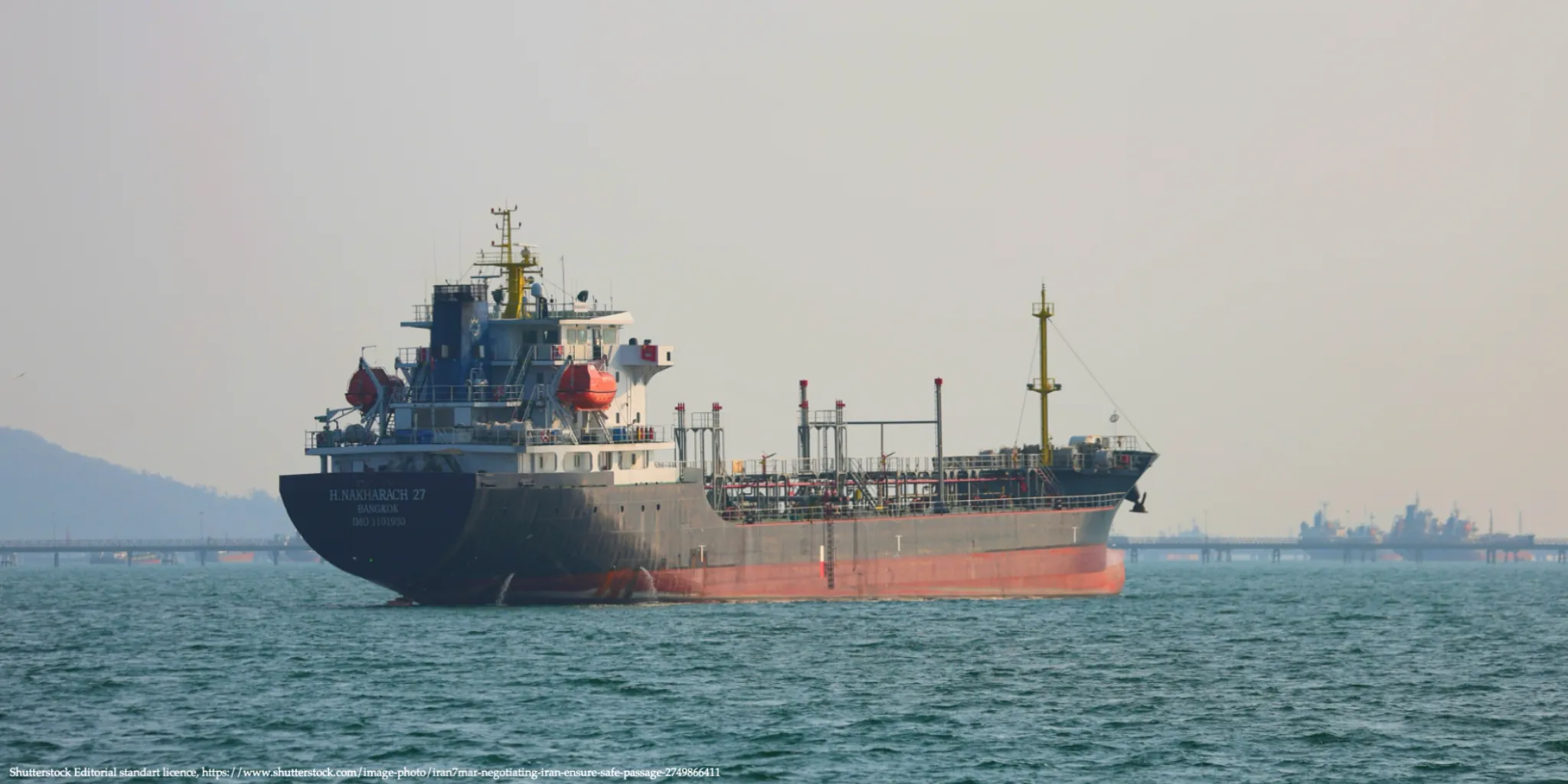
Katinas estimated that even with Brent crude at $60 per barrel, a 20% fee could cost a fully loaded very large crude carrier around $24 million per shipment. Such vessels can transport approximately two million barrels of oil.
Beyond the immediate expense, Katinas warned about the precedent that charging ships could establish for international maritime trade.
Imposing the fee would open “a very dangerous Pandora’s Box,” Katinas told CBS News. Other governments could decide to introduce similar tolls elsewhere, he explained. That could further undermine international maritime law at a time when the system is already under pressure.
Maritime Law and Global Energy Security
Shipping companies and industry experts also questioned the legal basis for such a charge. The debate highlights the wider challenge of maintaining freedom of navigation during geopolitical conflicts.
The consequences extend beyond shipping companies. Additional costs or restrictions in the Strait can affect oil prices, supply chains, and consumers worldwide. They can also reshape the revenues earned by oil-producing countries outside the Gulf.
To explore the full discussion and Petras Katinas’s analysis, read the complete CBS News report. The article examines the proposed fee, its potential cost to shippers, and concerns about its implications for international maritime law.
The Hormuz Crisis, Sanctions, and Russia’s Oil Revenues
The Hormuz crisis also has important implications for Western sanctions on Russia. Restrictions on Gulf oil supplies can push global oil prices higher, potentially increasing the value of Russian exports. This creates an unintended economic benefit for Moscow while Western governments continue efforts to restrict revenues supporting Russia’s war economy.
A recent FREE Network policy brief estimates that Russia could be among the major beneficiaries of a prolonged blockade of the Strait of Hormuz. Its modeling suggests gains equivalent to roughly 6–11% of GDP, depending on the scenario. Higher global oil prices drive most of this effect. A potential reduction in the sanctions-induced discount on Russian oil could provide an additional benefit.
The connection illustrates how energy shocks can complicate sanctions policy. Measures designed to constrain Russian oil revenues operate within a global market. A major supply disruption elsewhere can therefore strengthen Russia’s bargaining position and reduce the effectiveness of existing restrictions.
To understand these effects in greater detail, read the FREE Network policy brief The Hormuz Blockade: Winners, Losers, and Vulnerabilities. The analysis explores how the crisis could affect Russia, Europe, China, India, the United States, and major Gulf oil producers.
Further Reading: Sanctions on Russia
For more analysis of sanctions, energy markets, and Russia’s economic response, explore the various sections of the Sanctions on Russia & Russian Economic Retaliation web portal. The platform brings together data, research, and expert analysis for researchers, journalists, and policymakers.
Explore the latest addition to the SITE Sanctions Hub: TRACER — Trade Redirection and Circumvention Evaluation Ranking. TRACER assesses the extent to which countries fall short of upholding export restrictions. It accounts for both their capacity to implement and enforce sanctions and the structural conditions that influence the risk of sanctions evasion.