Rising oil prices could give Russia a financial advantage as the conflict around Iran disrupts global energy markets. In an NBC News article republished by EuropeSays, analysts examined how Vladimir Putin may benefit from higher energy revenues and reduced Western attention on Ukraine.
Petras Katinas, research fellow in climate, energy, and defense at the Royal United Services Institute, explained that the impact depends on the conflict’s duration. He noted that a prolonged crisis could help Russia sell crude oil with a smaller sanctions-related discount, strengthening Moscow’s revenue position.
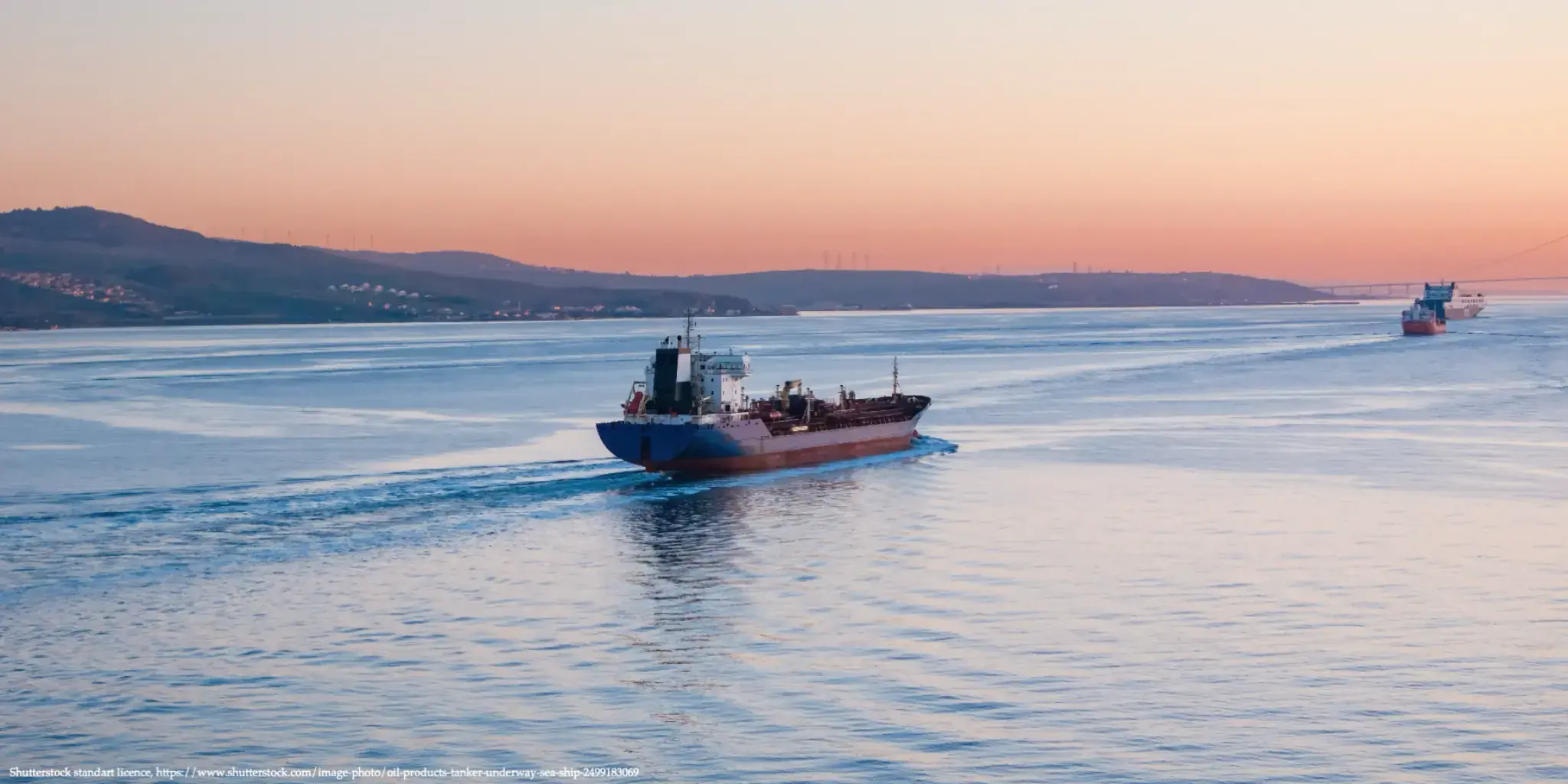
The article also discussed the Strait of Hormuz, U.S. sanctions policy, Ukraine’s air defense needs, and Russia’s military spending. Experts warned that extra oil income could support Russia’s war effort while global attention shifts toward the Middle East.
To explore the full analysis and Petras Katinas’s commentary, read the complete article in NBC News, republished by EuropeSays.
For further context, explore the Sanctions on Russia & Russian Economic Retaliation section. It offers a sanctions timeline by date, country, and sector; an evidence base with recent research; and media highlights featuring expert commentary.
Further Reading: Middle East Crisis Could Strengthen Russia’s War Economy
In his recent RUSI analysis, Back to Square One: The EU’s Endless Energy Dependency Trap, Petras Katinas expanded on the risks highlighted in his NBC News media commentary. Katinas warned that renewed instability in the Middle East and potential disruptions in the Strait of Hormuz could deepen Europe’s energy vulnerability while indirectly strengthening Russia’s economic position. He explained that higher global oil and LNG prices could allow Moscow to generate additional export revenue despite ongoing Western sanctions.
The commentary also examined how Europe’s continued reliance on imported fossil fuels leaves the EU exposed to geopolitical shocks, supply chain disruptions, and price volatility. Petras Katinas argued that long-term European energy security depends on accelerating clean energy investment, expanding electrification, and reducing dependence on external suppliers. His analysis connects Russia sanctions, European energy security, and global market instability, showing how conflicts beyond Ukraine can still influence the Kremlin’s war economy and Europe’s strategic resilience.
Further Reading: Winners, Losers, and Vulnerabilities of the Hormuz Blockade
To continue exploring the geopolitical and economic risks surrounding global energy markets, readers can visit the FREE Network policy brief, The Hormuz Blockade: Winners, Losers, and Vulnerabilities. The analysis by Johan Gars, Daniel Spiro, and Henrik Wachtmeister examines how a potential blockade of the Strait of Hormuz could reshape global trade flows, energy prices, and sanctions dynamics.
The brief highlights that while major oil-importing economies in Europe and Asia would face severe economic pressure, countries such as Russia could benefit from higher global oil prices and increased demand for alternative energy suppliers. The policy brief also discusses the broader implications for inflation, energy security, and international policy coordination, offering valuable insight into how tensions in the Middle East can influence Russia’s war economy and the effectiveness of Western sanctions.