Russia’s budget deficit is expanding far faster than expected, raising new concerns about the country’s economic outlook. According to the Russian newspaper Kommersant, the federal deficit for 2026 has already exceeded the government’s full-year forecast after only a few months. The development comes as growth projections are sharply revised downward despite relatively strong energy prices.
The Ministry of Finance initially projected a deficit of 3.8 trillion rubles for the entire year. Yet from January to April, the shortfall reached 5.9 trillion rubles. That figure is roughly 50 percent higher than the original annual estimate. Federal revenues totaled 11.7 trillion rubles during this period, while expenditures climbed to 17.6 trillion. The deficit now equals about 2.5 percent of Russia’s gross domestic product, nearly double the level recorded during the same period last year.
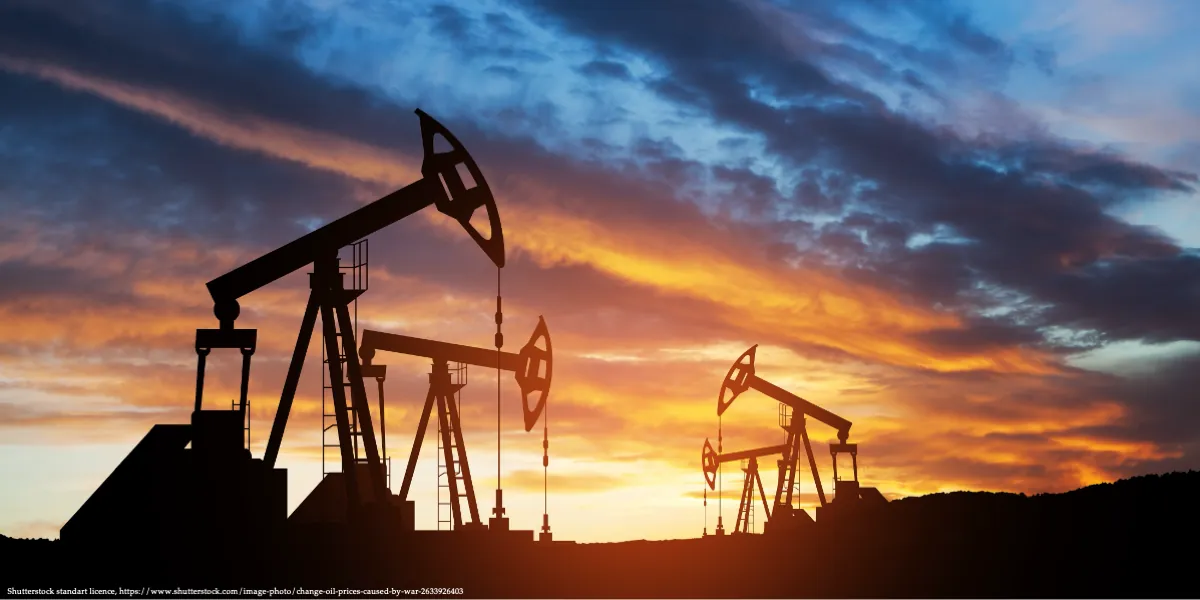
At the same time, Deputy Prime Minister Alexander Novak lowered the government’s 2026 growth forecast from 1.3 percent to just 0.4 percent. The downgrade comes even as oil prices remain a crucial source of income for the state. The Russian Central Bank projects an average oil price of 65 dollars per barrel this year. Officials argue that conservative price assumptions will help manage budget spending as war related costs continue to rise.
Commenting on the situation, Torbjörn Becker, Director of the Stockholm Institute of the Transition Economics, emphasized the decisive role of energy revenues. In an interview with TV4 Nyheterna, Torbjörn Becker explained that higher oil prices could significantly ease fiscal pressure on Moscow.
“If the price of oil remains above 100 dollars a barrel for a long time, it is a huge source of revenue for Russia. When the US eased its sanctions, Putin was able to essentially get paid twice as much for the oil overnight compared to before,” Becker said.
Torbjörn Becker’s analysis highlights how sensitive Russia’s finances remain to global energy markets. While deficits are rising and growth forecasts are weakening, sustained high oil prices could provide the Kremlin with valuable breathing room.
To read the full coverage and Torbjörn Becker’s comments, see the complete report by TV4 Nyheterna.
Explore Sanctions on Russia and Expert Economic Analysis
For further expert analysis on sanctions and Russia’s economic trajectory, visit the SITE Sanctions Hub. Explore the chronological overview of major sanction packages and Russian countermeasures by Date, Country, and Sector in the Sanctions Timeline.
The Evidence Base section of the SITE Sanctions Hub presents the latest publications, policy reports, and research findings, offering in-depth analysis and regularly updated data.
The Compliance Index provides a structured assessment of how effectively sanctions are implemented and enforced across jurisdictions. It offers comparative insights into compliance trends and policy performance.