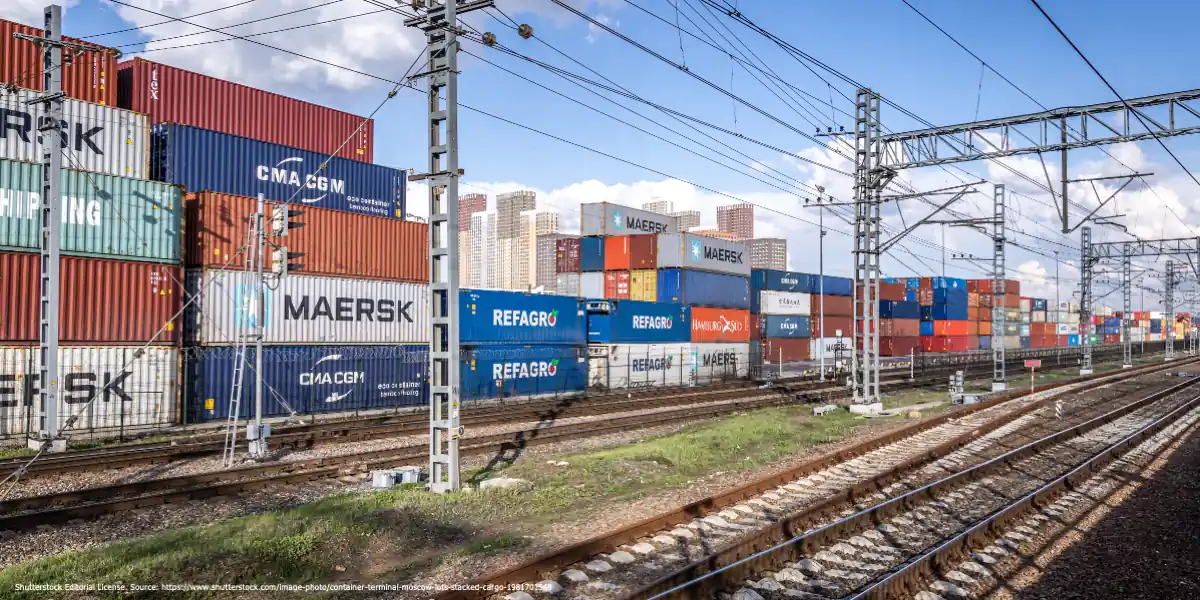
Damage to logistics centers operated by Wildberries is creating new risks for Russia’s economy. A recent Bild article, republished by Europe Says, examines the impact on Russia’s largest online marketplace. Since mid-July, around 20 logistics centers have reportedly been hit by Ukrainian drones. At least 14 facilities were reported to have caught fire.
Industry estimates cited in the article put Wildberries’ direct losses at up to €2 billion. Sellers using the platform could face much larger losses from destroyed inventory. More than 400,000 sellers may have been affected by the disruptions.
Benjamin Hilgenstock Warns of Insolvency Risks
Benjamin Hilgenstock, Senior Economist at the Kyiv School of Economics, highlighted the financial risks facing Wildberries sellers. Many businesses purchased their inventory using borrowed funds. Destroyed goods therefore mean lost revenue without eliminating existing financial obligations.
Hilgenstock explained that affected businesses still face loan repayments, rents, wages, and tax obligations. As a result, a wave of insolvencies among affected small and medium-sized enterprises is a “realistic risk.”
The warning illustrates how damage to major logistics infrastructure can spread across the wider economy. Losses at Wildberries could affect thousands of businesses that depend on the platform for storage and distribution.
Supply Disruptions Could Add to Inflationary Pressure
The article also examines the potential consequences for consumer prices and monetary policy. Wildberries plays an important role in Russia’s retail infrastructure, particularly in some regions. Disrupted supply chains and reduced product availability could therefore contribute to higher prices.
Persistent inflation would also complicate decisions by Russia’s central bank. Slower interest rate cuts would keep borrowing costs elevated and could further constrain investment.
Official inflation data has not yet shown a clear Wildberries-related effect. However, the article notes that the reported attacks began only in mid-July. Any broader price impact could therefore take several months to emerge.
Read Benjamin Hilgenstock’s Full Commentary
To explore the full discussion and Benjamin Hilgenstock’s analysis of the risks facing Russian businesses, read the article republished by Europe Says. The original reporting appeared in Bild and examines how logistics disruptions could amplify existing pressures across Russia’s economy.
Further Reading: Sanctions on Russia and Russian Economic Retaliation
For further insights into the Russian economy and the impact of international economic pressure, visit our Sanctions on Russia & Russian Economic Retaliation web portal. It brings together expert analysis, data, and research on Western sanctions and Russia’s economic responses.
Explore the Sanctions Timeline for a chronological overview of major Western sanctions and Russian countermeasures. Measures can be explored by date, country, and sector.
Visit the Evidence Base for the latest publications and research reports examining sanctions, economic developments, and policy impact.
For more analysis from Benjamin Hilgenstock and our team of experts, visit Media Highlights for their latest commentary in international media.