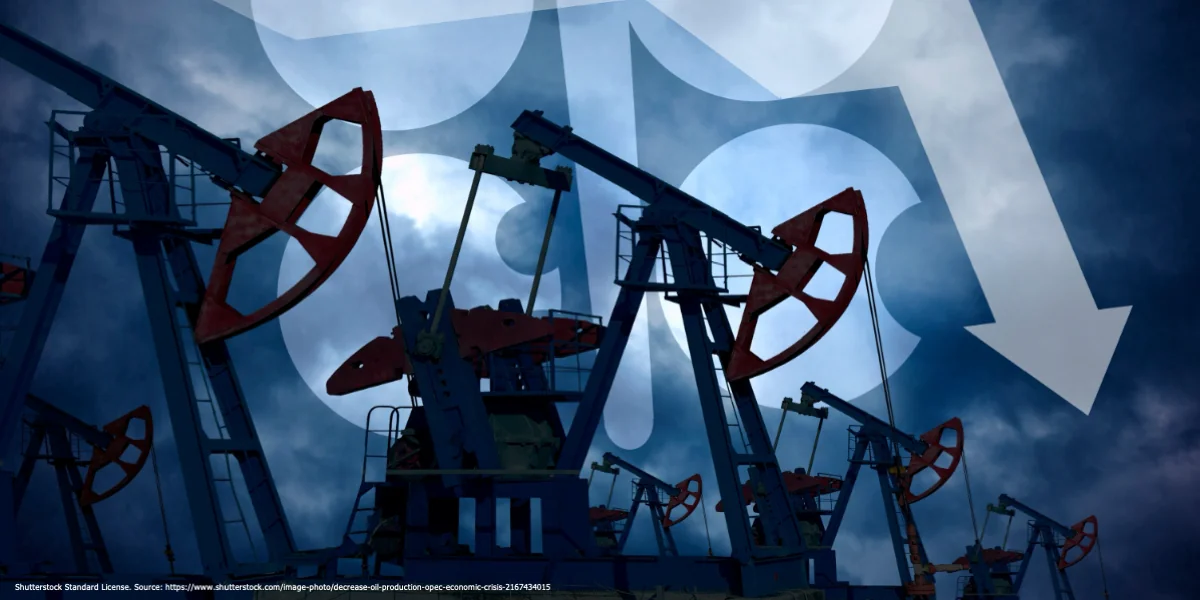
Russia is facing one of its most serious economic setbacks since the start of the full-scale invasion. The largest Polish-language web portal and online news platform Onet.pl analyzes how collapsing fuel exports, intensified Ukrainian drone attacks, and expanding Western sanctions are undermining the Kremlin’s war economy. September marked a historic low for Russian oil and gas sales, raising concerns about the country’s ability to sustain long-term military spending.
“The significant decline in Russian petroleum product exports is primarily due to Ukrainian drone attacks,” said Petras Katinas, expert at the Centre for Research on Energy and Clean Air (CREA).
Petras Katinas noted that Russia is experiencing shortages severe enough to trigger government restrictions on gasoline and diesel exports. According to Katinas, this shift reflects both the scale of Ukrainian strikes and Russia’s growing vulnerability across its energy sector.
The article also outlines broader pressures weighing on Moscow. EU action against Russia’s “shadow fleet,” a looming ban on liquefied petroleum gas, and new U.S. sanctions targeting Rosneft and Lukoil signal tightening constraints on the Kremlin’s revenue streams. With the IMF lowering Russia’s growth forecast and drone attacks damaging key refineries from Kaliningrad to Kamchatka, the report highlights a convergence of factors that could reshape the war’s economic trajectory.
To read the full analysis, including Petras Katinas’s expert insights, access the complete article at Onet.pl.
Further Reading
Energy exports play a crucial role in Russia’s economy and have long served as a source of geopolitical leverage over dependent countries. Sanctions targeting the energy sector aim to reduce state revenues and diminish Russia’s geopolitical influence. Explore the latest research on sanctions against Russia and its energy industry in the Sanctions Portal Evidence Base section.