Russia’s war economy remains central to debates on sanctions effectiveness. In recent media coverage of the conference “Guarding the Border: Sanctions, Export Controls, and Corporate Responsibility,” analysts reviewed how current measures pressure Moscow. The discussion also highlighted the limits of sanctions alone and the need for stronger global coordination.
“Russia tries to create the impression that it is unbeatable and unaffected by sanctions. Yet Europe also erred early on by assuming sanctions would destroy Russia’s economy, which did not happen,” notes Benjamin Hilgenstock from the KSE Institute.
Hilgenstock also argued that Russia’s war-driven economy is nearing a breaking point as sanctions cause mounting damage. He added that Europe must do more to avoid indirectly financing the conflict through energy imports.
Moreover, the article explored the broader geopolitical and economic context. It examined Russia’s efforts to replace lost European export markets with China and India and the growing strain from rising budget deficits. In addition, it reviewed the difficulties of enforcing sanctions across different jurisdictions. Hilgenstock stressed that influencing third-country behavior remains essential and pointed to U.S. secondary sanctions as a potentially effective—though controversial—tool. Thus, the discussion underscored that Russia’s resilience is not unlimited and that sustained pressure is key to shaping its strategic choices.
To read the full coverage featuring Benjamin Hilgenstock’s expert analysis, visit the original article at LV Portal.
Further Reading
Reducing Russian income requires a comprehensive approach built on four key areas.
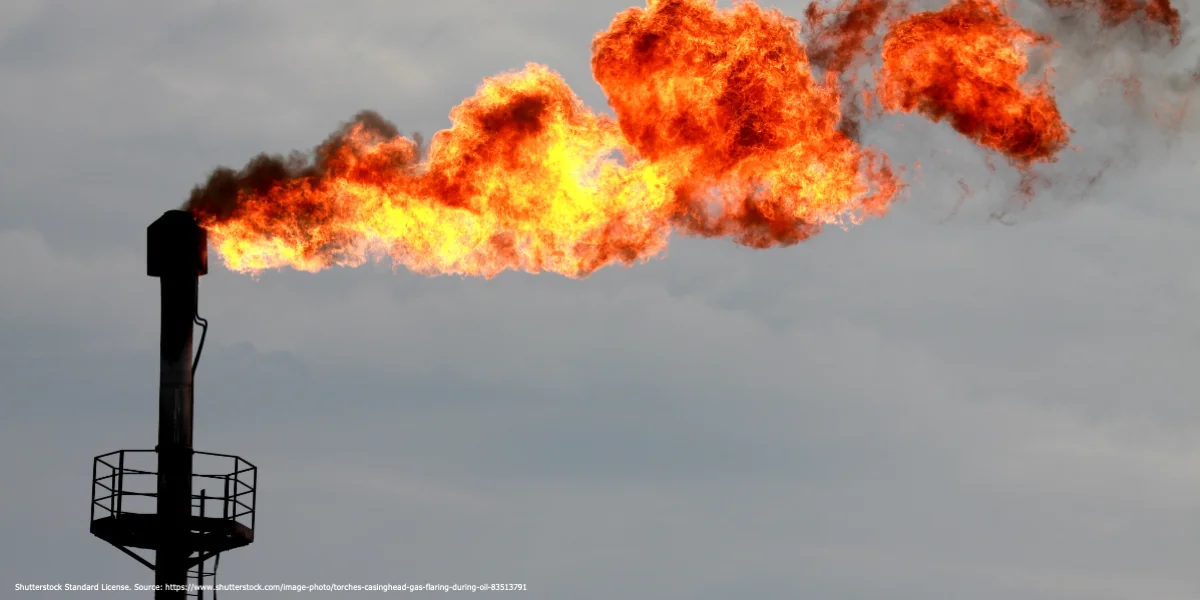
First, limiting energy exports remains crucial, as these revenues sustain Russia’s fiscal stability. Moreover, tighter controls would reduce Moscow’s ability to finance the war.
Second, restricting access to critical materials, components, and technologies can weaken Russia’s weapons production. Consequently, these measures constrain the country’s military capacity.
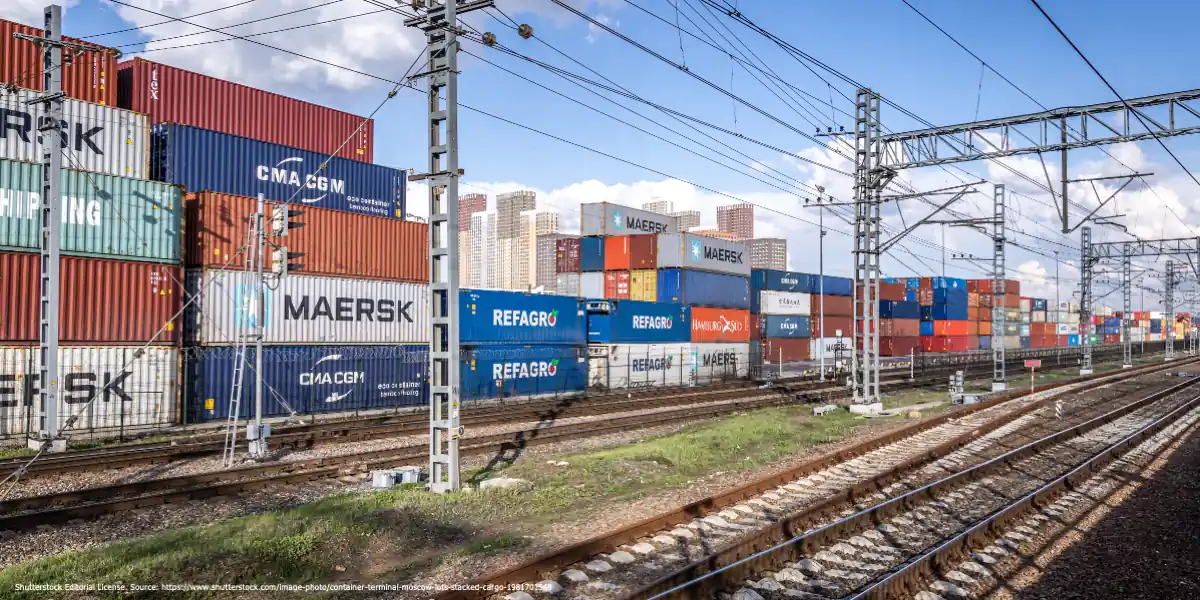
Third, broader trade and financial restrictions can reduce efficiency and shrink market access across the wider economy. In addition, such measures complicate Russia’s long-term planning.
Finally, sanctions such as travel bans and airspace restrictions provide symbolic and normative pressure. However, they also create indirect effects by shaping public perception, political behavior, and Russia’s international reputation.
Explore the latest research on sanctions against Russia in the Sanctions Portal Evidence Base. For an overview of sanction packages imposed since the full-scale invasion and Russia’s countermeasures, visit the Timeline of Western Sanctions and Russian Countermeasures.