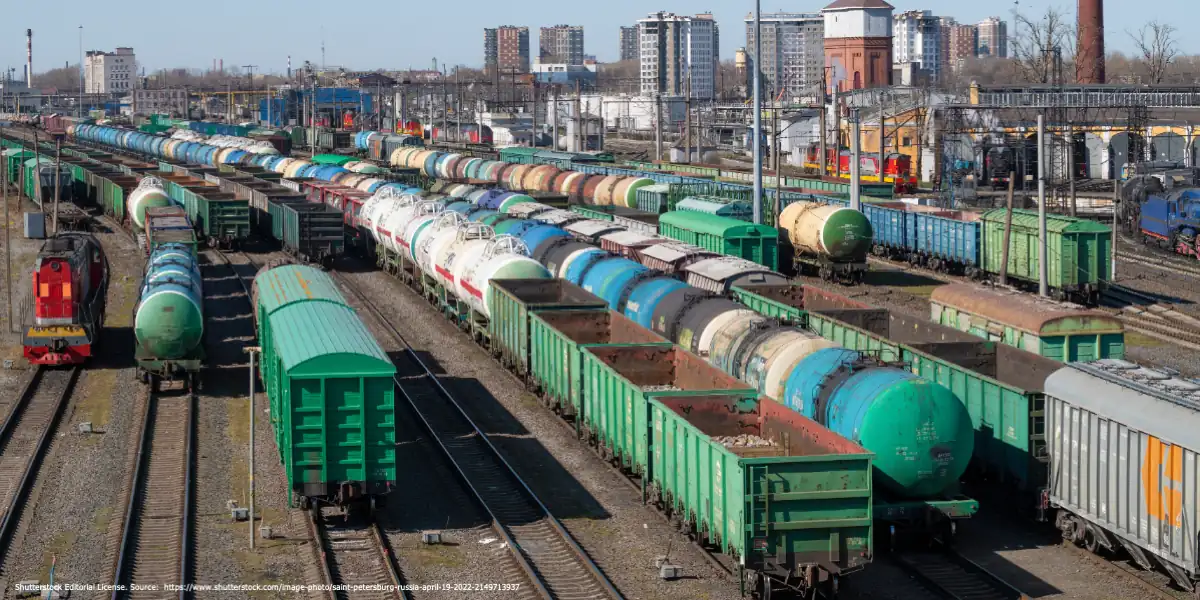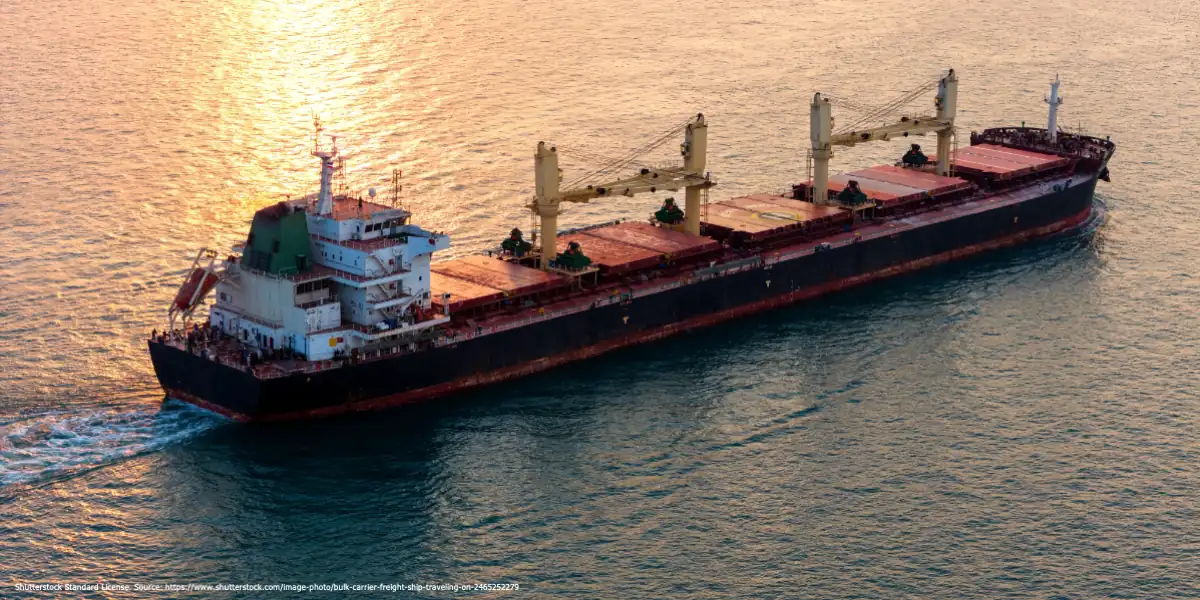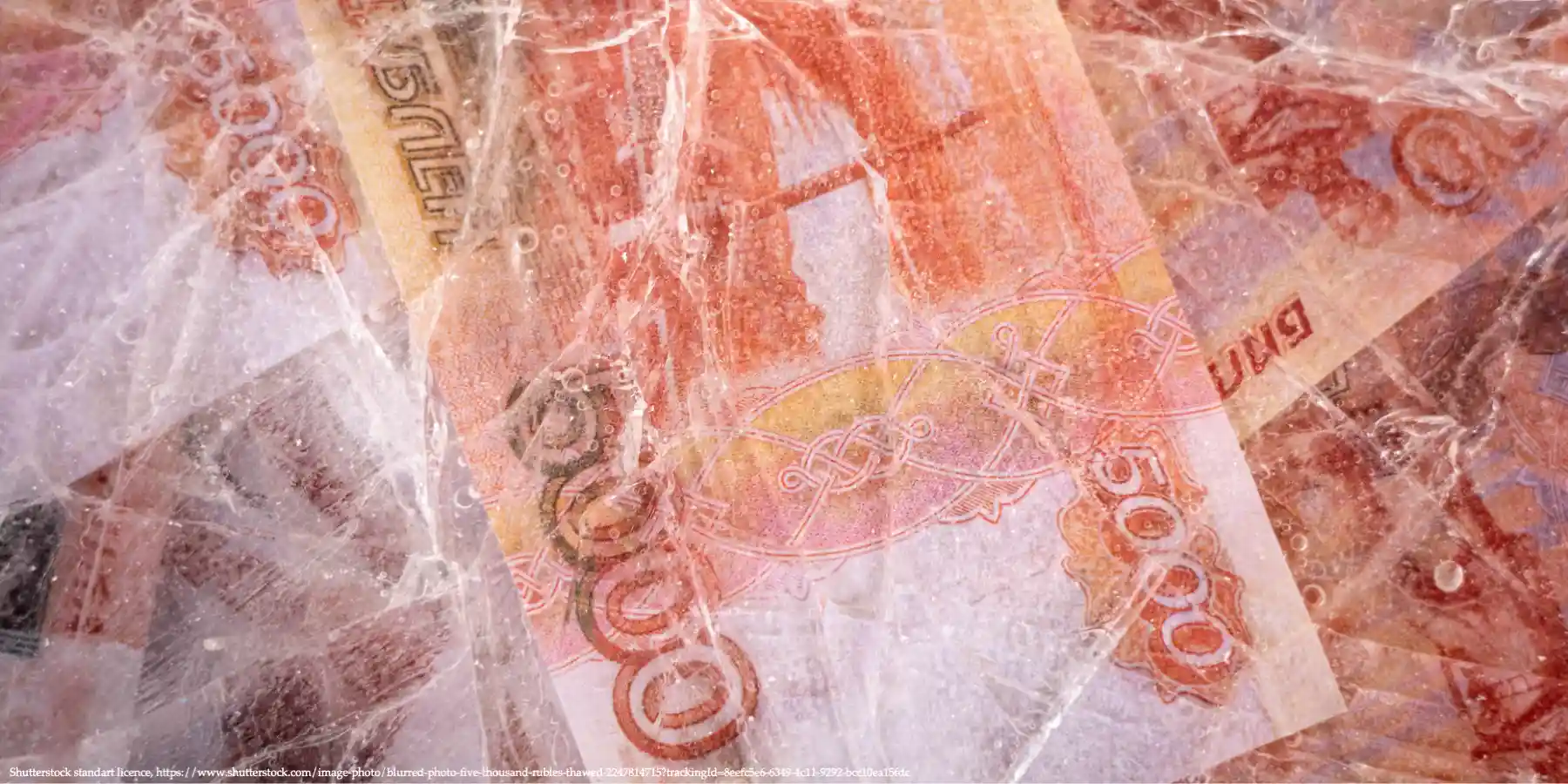
Western sanctions against Russia have reshaped the economic landscape of the war in Ukraine. Yet questions remain about their long-term impact. In a recent analysis from the Stockholm Institute of Transition Economics (SITE), Maria Perrotta Berlin examines what sanctions have achieved so far. She also explores how frozen Russian assets could support Ukraine’s defense and reconstruction. The analysis is part of the Sorbonne Alliance research initiative on Europe’s geopolitical and economic response to the war.
Maria Perrotta Berlin, Assistant Professor at SITE, explains that sanctions did not prevent Russia’s 2022 invasion. However, they have placed meaningful constraints on the Russian economy. The measures have reduced revenues and limited access to advanced technology. They have also narrowed Russia’s financial flexibility. At the same time, Perrotta Berlin notes that data limitations and reporting practices hide the full scale of economic pressure.
In her research, Maria Perrotta Berlin highlights deeper structural challenges in Russia’s economy. Short-term resilience now depends on high military spending and opaque financing mechanisms. These trends could weaken long-term stability. Inflation and credit market distortions also point to growing economic stress. Official statistics may underestimate these pressures.
Maria Perrotta Berlin also examines policy options for frozen Russian sovereign assets. She argues that returns from these assets—or their use as collateral—could help finance Ukraine’s defense and reconstruction. Policymakers could pursue these options while respecting international law. Perrotta Berlin also stresses the importance of coordinated Western support. Strong coordination can increase sanctions pressure and strengthen Ukraine’s recovery prospects.
To explore the full analysis and Maria Perrotta Berlin’s commentary on Russia sanctions and frozen assets, read the complete article.
Further Reading
In his recent policy brief, Anders Olofsgård, Associate Professor and Deputy Director of SITE, examines the legal and economic arguments in the ongoing debate over whether Russian state assets frozen in Western democracies should be confiscated and redirected to support Ukraine’s resilience and reconstruction. The brief also outlines concrete proposals for how such measures could be implemented in compliance with international law while limiting potential economic risks. To learn more, read the full policy brief on the FREE Network website.