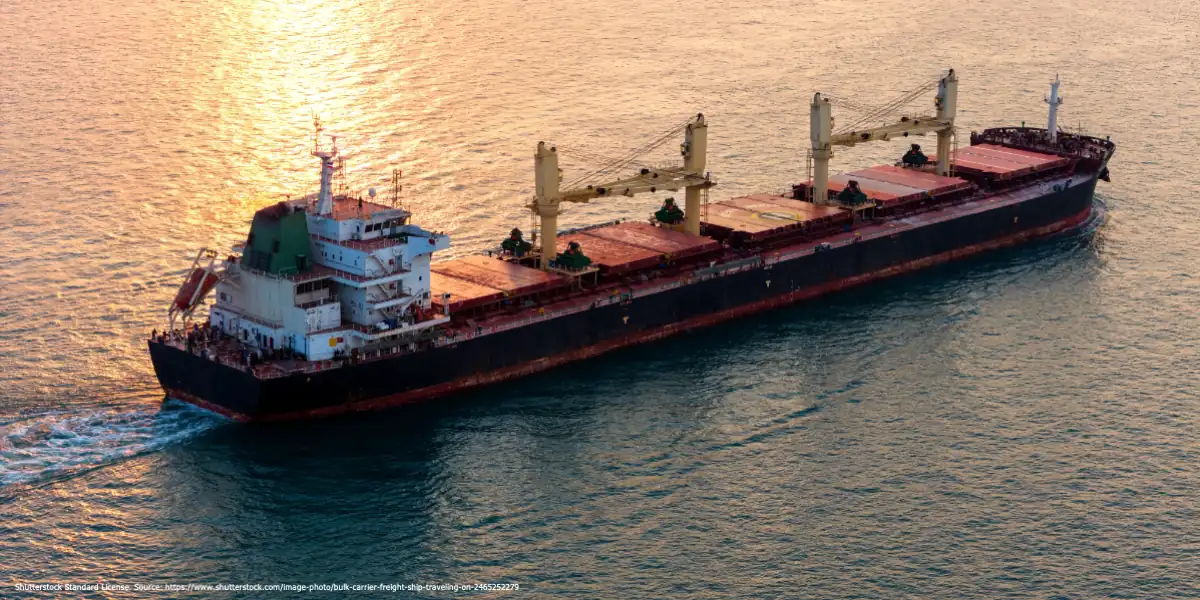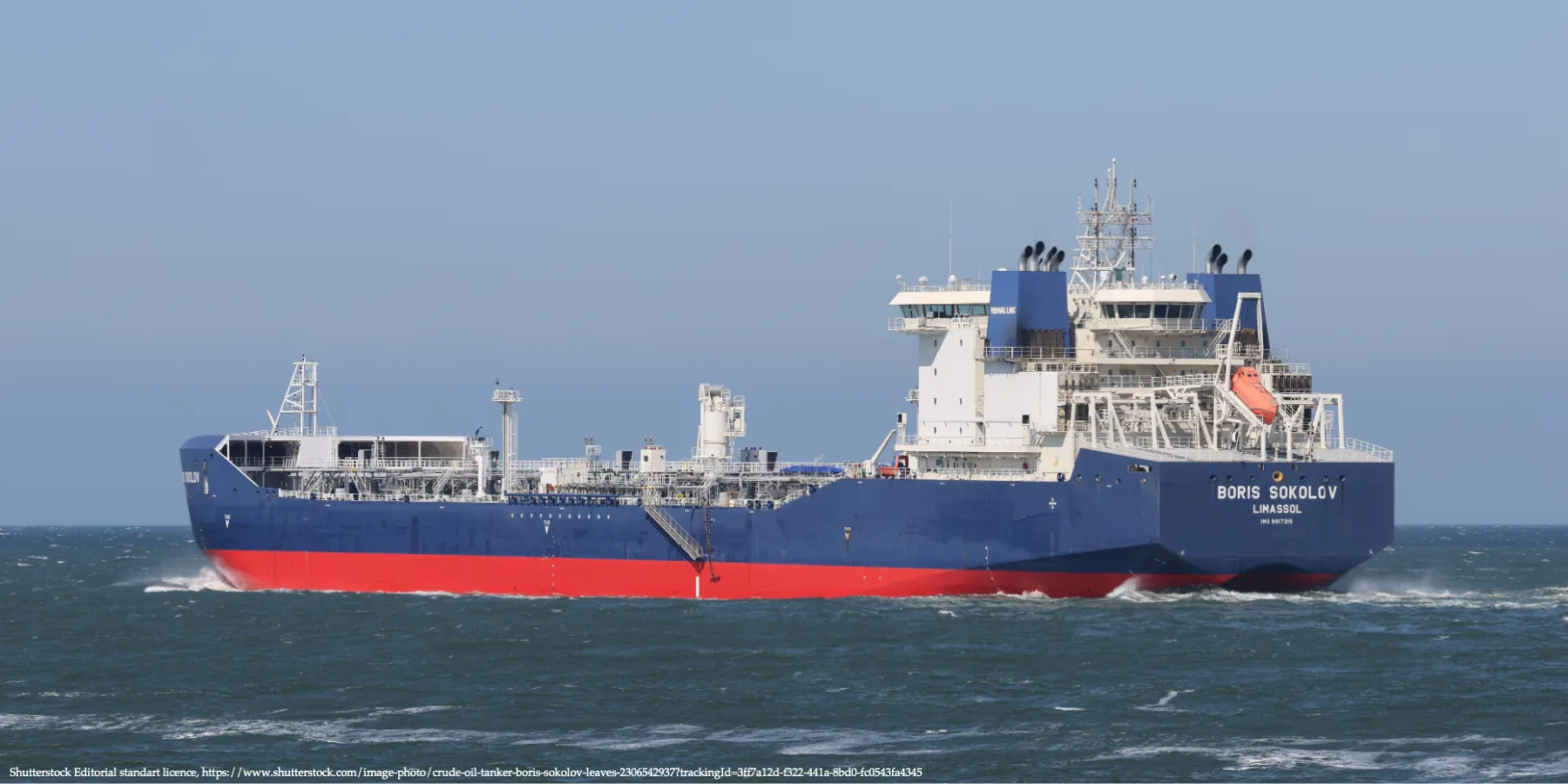
Sweden’s tougher approach to Russia’s shadow fleet is beginning to show results in the Baltic Sea. In a recent Focus Online article, published in cooperation with Tagesspiegel, journalist Maxi Beigang examined Sweden’s new legal tools and coast guard operations targeting suspicious tankers near Swedish waters. The article places these actions in the wider context of sanctions enforcement, maritime security, and Russia’s wartime oil exports.
Henrik Wachtmeister, researcher at Uppsala University, offered expert insight into the economic role of Russia’s shadow fleet. He explained that the fleet remains vital for Moscow because it helps move Russian goods, especially oil, despite Western restrictions. However, Wachtmeister noted that these services are costly. Higher transport fees force Russia to sell oil at a discount, limiting the revenue available to fund its war economy.
The article also highlights Sweden’s recent enforcement actions around Trelleborg and Ystad. According to Focus Online, the Swedish Coast Guard boarded or detained several ships suspected of violating maritime safety rules or environmental regulations. These measures may not stop Russian exports entirely, but Henrik Wachtmeister said they can make transport more expensive and increase uncertainty for shadow fleet operators.
A wider policy question remains: how far can Sweden go without triggering escalation from Moscow? The article notes that Russia has already framed such enforcement as provocative. Wachtmeister warned that boarding Russian-flagged ships would carry a higher political and military risk. This makes Sweden’s strategy important, but also sensitive. It can raise costs for Russia while testing the limits of maritime enforcement in the Baltic Sea.
To explore the full analysis and Henrik Wachtmeister’s commentary, read the complete article in Focus Online.