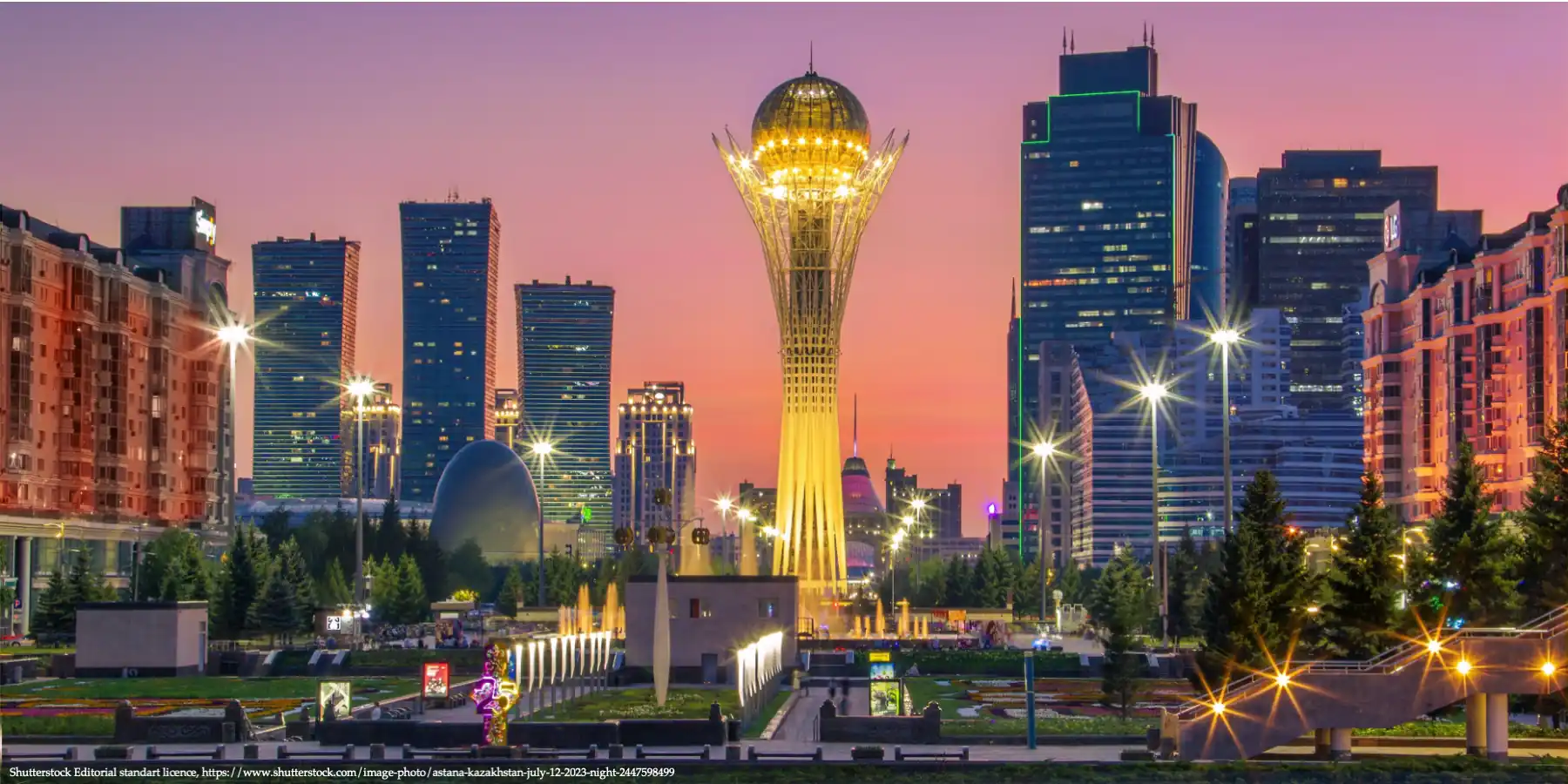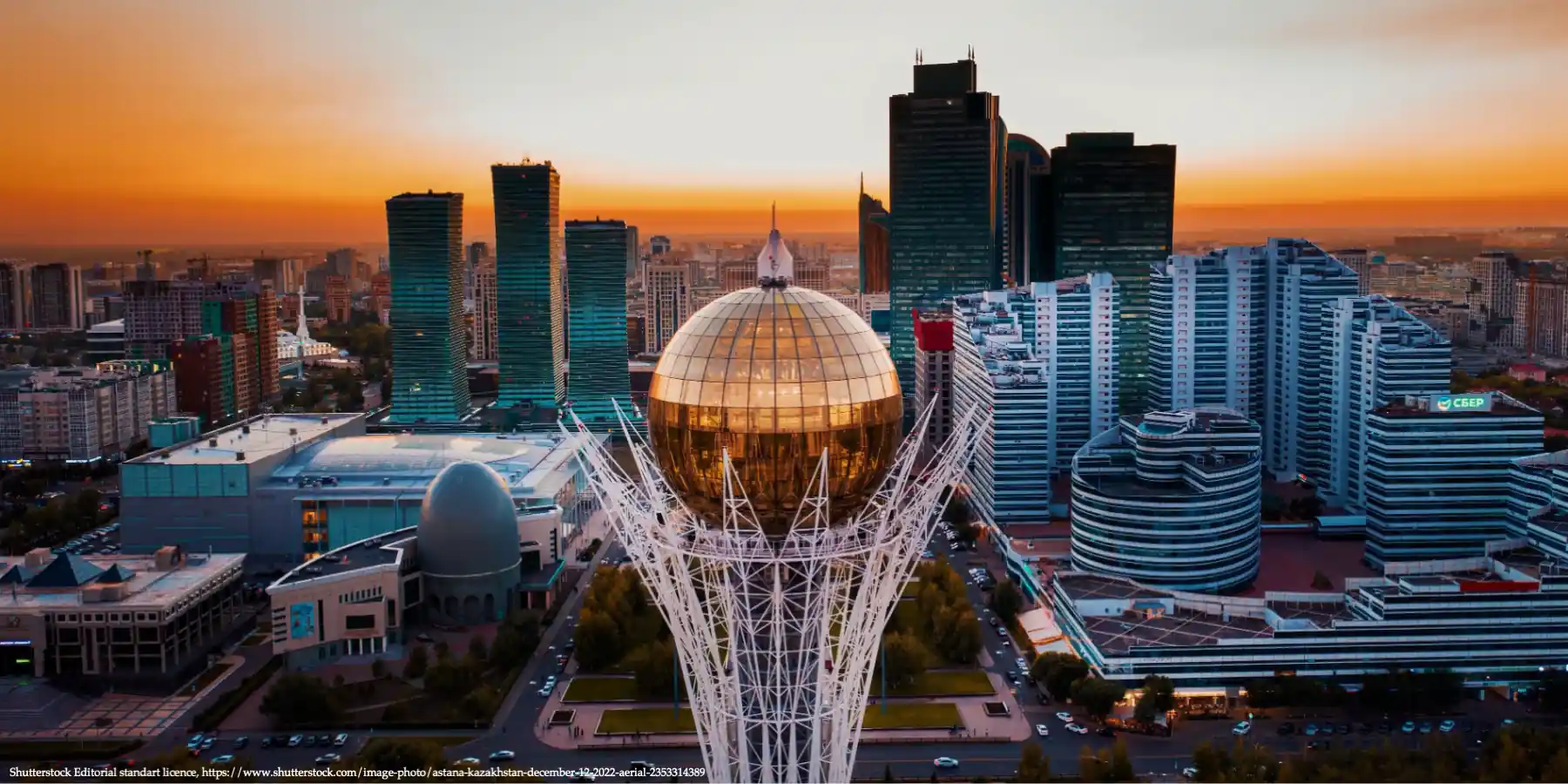
Russian President Vladimir Putin’s recent summit in Kazakhstan has drawn international attention amid mounting economic and political pressure. In a feature by Sveriges Radio, the discussions focused on whether the meeting signals a strategic breakthrough or a diplomatic rescue effort for the Kremlin. The coverage examined Russia’s economic position as Western sanctions continue to reshape trade flows and political alliances.
Torbjörn Becker, Director of the Stockholm Institute of Transition Economics (SITE), shared his view on the broader implications of the summit. He noted that high-level meetings with regional partners can serve both symbolic and practical purposes. According to Torbjörn Becker, Russia seeks to demonstrate resilience and maintain strategic partnerships despite sanctions from the EU and the United States. He emphasized that while such summits project stability, they do not eliminate the structural challenges facing the Russian economy under sustained sanctions.
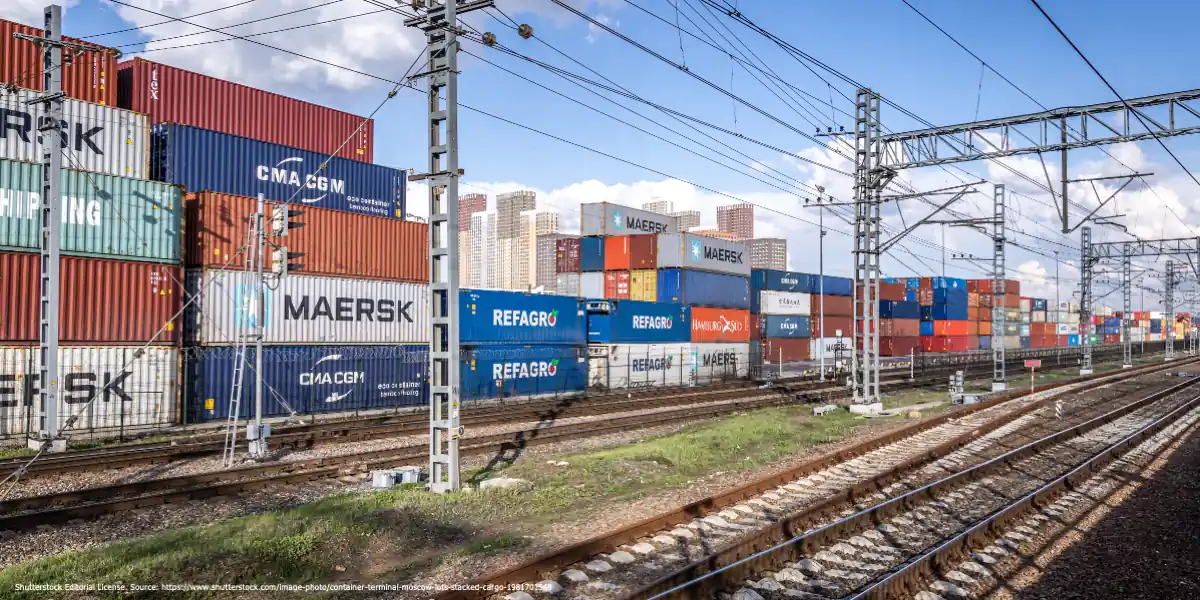
The Sveriges Radio article also addressed how Russia is deepening ties with countries outside the Western alliance system. Energy cooperation, trade rerouting, and financial coordination were key themes. Torbjörn Becker explained that although Russia has managed to cushion the immediate impact of sanctions, long-term growth prospects remain constrained. Limited access to advanced technology and restricted capital flows continue to weigh on the country’s economic outlook. The discussion underscored how geopolitical positioning and economic policy are increasingly intertwined.
To explore the full report and Torbjörn Becker’s expert commentary, read the complete article or listen to the radio interview on Sveriges Radio.
Further Reading: Russia’s Wartime Economy and Sanctions Impact
For deeper insight into Russia’s economic outlook and the long-term impact of sanctions, explore SITE’s report, Financing the Russian War Economy. The analysis examines Russia’s budget deficit, wartime spending, energy revenues, and fiscal sustainability under Western sanctions. It assesses how sanctions shape Russia’s war financing and future growth, expanding on Torbjörn Becker’s analysis with data-driven insights into the strengths and vulnerabilities of the wartime economy. For further research on sanctions policy and energy flows, see the latest publications in the SITE Sanctions Hub Evidence Base.