China could emerge with economic and strategic advantages from the crisis surrounding the Strait of Hormuz. Sveriges Radio examines how the disruption may strengthen China’s position in global energy and trade. Henrik Wachtmeister offers his view on why the situation could work in Beijing’s favor.
Henrik Wachtmeister on China’s Strategic Advantages
“In some ways, it’s perhaps a suitable crisis for China,” said Henrik Wachtmeister, Associate Professor at Uppsala University and a Research Fellow at the Swedish National China Centre at the Swedish Institute of International Affairs (UI), in Radio Correspondents China. China’s large oil reserves allow it to reduce purchases and limit exposure to immediate price pressures. The disruption could also support China’s growing green technology sector as energy security concerns increase.
Energy Security and the Wider Economic Impact
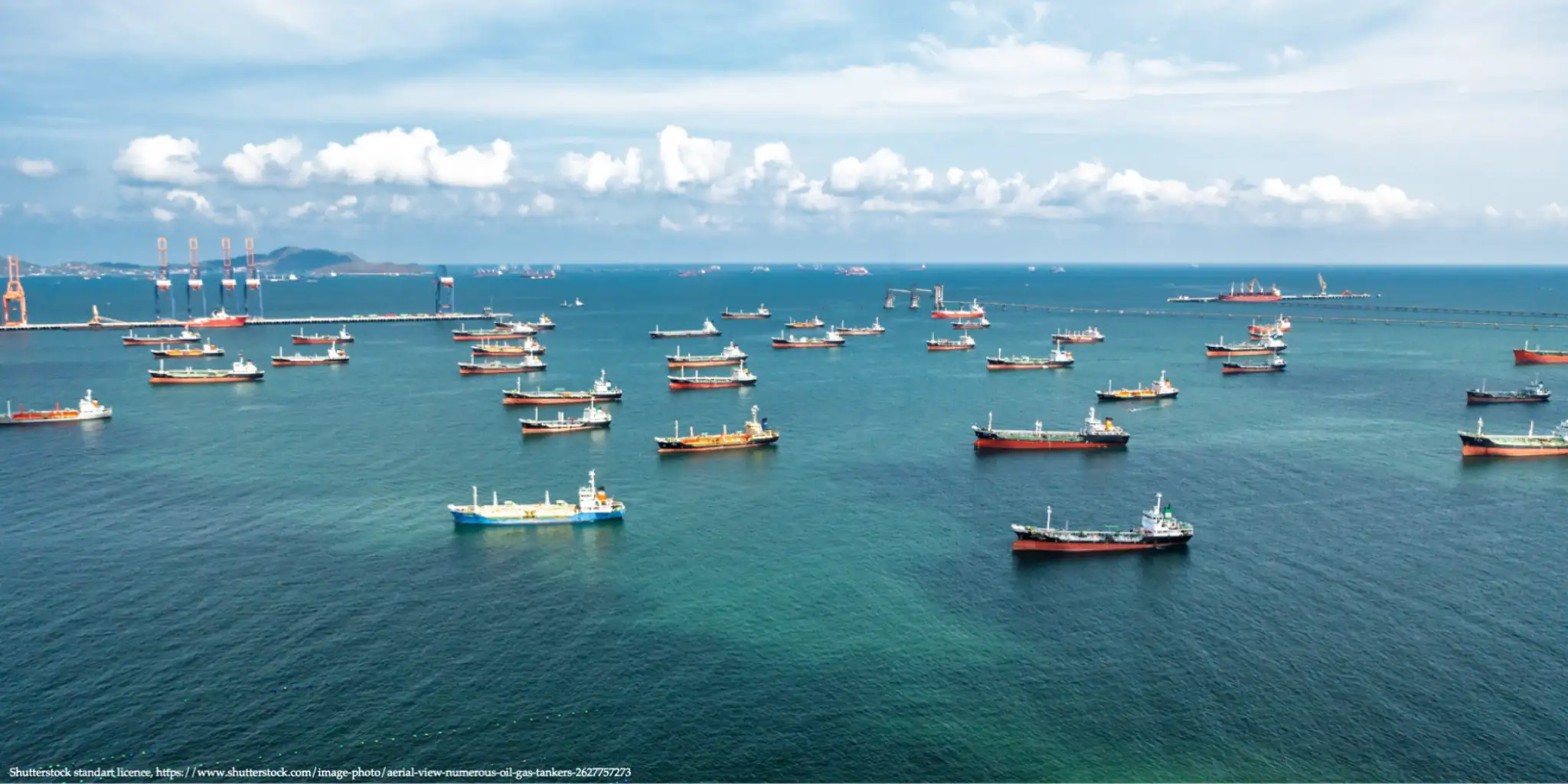
The Sveriges Radio report describes China as a relative beneficiary after the Strait of Hormuz was closed following attacks on Iran. It cites analysis suggesting that China could leave the crisis with economic and strategic advantages. However, those benefits depend on the duration and severity of the disruption.
A prolonged crisis could raise energy prices and weaken international demand. That, in turn, could put pressure on China’s export-driven industries. Wachtmeister’s commentary highlights how China’s energy reserves and industrial position provide resilience during periods of global uncertainty.
To explore the full analysis and Henrik Wachtmeister’s commentary on the China Hormuz crisis, listen to the complete Sveriges Radio report, “Kina stärkt efter Hormuzkrisen: ‘En lagom kris’.”
Hormuz, Energy Markets, and Russia
The Hormuz crisis discussed by Sveriges Radio also has important implications beyond China. Disruptions to one of the world’s most important energy routes can reshape oil and gas markets worldwide. These shifts can create different winners and losers, including countries outside the Gulf. For Russia, higher global energy prices could increase export revenues and affect the economic impact of Western sanctions. This creates an important link between the Hormuz crisis, energy security, and ongoing efforts to constrain Russia’s war economy.
To learn more about these connections, read the FREE Network policy brief The Hormuz Blockade: Winners and Losers. The brief examines how a blockade of the Strait of Hormuz could reshape global energy markets and considers the consequences for major economies, including Russia.
Further Reading: Sanctions and Economic Policy
For further research on sanctions, economic pressure, and international policy responses, visit the Sanctions on Russia & Russian Economic Retaliation web portal. The platform brings together accessible data, research, and expert analysis for researchers, journalists, and policymakers.
Explore the Sanctions Timeline for a chronological overview of major Western sanctions and Russian countermeasures. Users can explore measures by date, country, and sector. The Evidence Base features recent publications and research reports on sanctions and their policy impact. The Media Highlights section collects the latest expert commentary from the team on global economic and geopolitical developments.