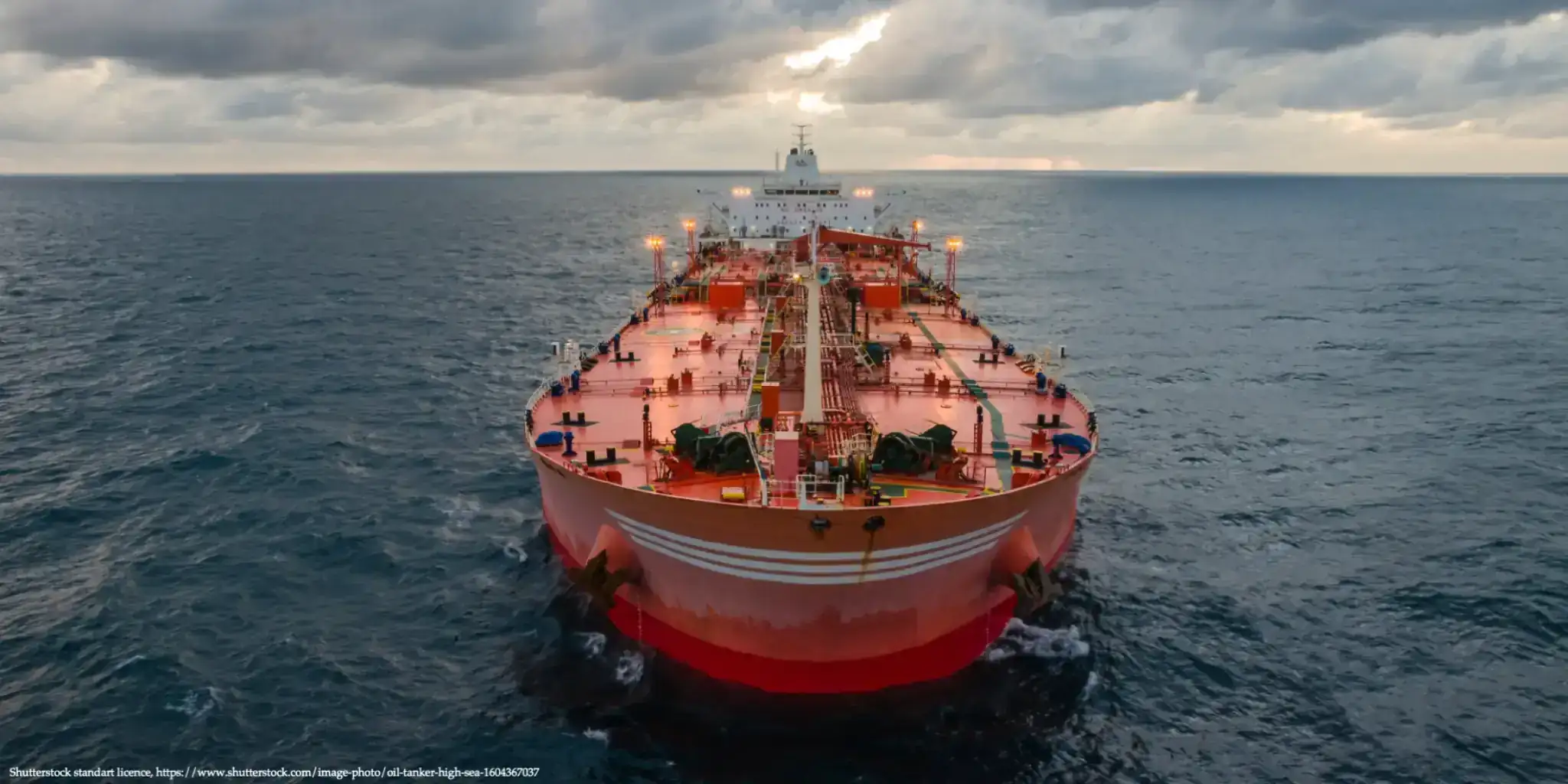
Russia has built a vast “ghost fleet” to keep its oil exports moving despite Western sanctions. In a recent BBC Afrique report, the outlet examines how aging tankers transport Russian oil to buyers worldwide. The investigation also highlights growing environmental, maritime, and European security concerns.
The fleet has expanded significantly since Russia’s full-scale invasion of Ukraine in 2022. According to data cited by the BBC, ghost fleet vessels now transport around 80% of Russian oil. China and India are among the main destinations for oil transported by vessels serving sanctioned countries.
Benjamin Hilgenstock on Sanctions Evasion
“Russia has built up a ghost fleet of oil tankers, which allows it to circumvent sanctions,” said Benjamin Hilgenstock, senior economist at the Kyiv School of Economics. He warned that these vessels are often old and inadequately maintained. Many may also lack sufficient insurance coverage for major oil spills.
Hilgenstock highlighted Europe’s direct exposure to these risks. Around 75% of Russia’s seaborne oil exports depart from Baltic and Black Sea ports. As a result, ghost fleet tankers regularly travel through or near European waters.
He also pointed to weaknesses in the international system governing ship registration. Flag states are responsible for ensuring vessels meet technical and insurance standards. However, Hilgenstock warned that some jurisdictions used by Russia’s ghost fleet are not reliable enough to enforce these requirements.
From Sanctions Evasion to Security Risks
The BBC Afrique report shows that the ghost fleet presents challenges extending beyond sanctions enforcement. Ships can conceal ownership, repeatedly change names and flags, manipulate tracking systems, and transfer oil at sea.
European governments are also examining links between suspicious vessels and threats to critical infrastructure. NATO countries have increased scrutiny following incidents involving submarine cables, drones, and other infrastructure in the Baltic region. Russia has denied conducting a hybrid war against Ukraine’s allies.
Environmental risks add another concern. Many ghost fleet vessels are significantly older than tankers operated by established shipping companies. Poor maintenance, inadequate insurance, and unreliable tracking systems can increase the consequences of collisions, mechanical failures, and oil spills.
To explore the full investigation and Benjamin Hilgenstock’s commentary on Russia’s ghost fleet, read the full BBC Afrique report. The article examines how sanctions evasion has transformed maritime oil trade and created new challenges for European governments.
Further Reading: Tracking Sanctions on Russia
For deeper analysis of Russia’s ghost fleet and sanctions evasion, explore the sections of SITE’s Sanctions Hub. The platform brings together data, research, and expert analysis for researchers, journalists, and policymakers.
The Sanctions Timeline provides a chronological overview of major Western sanctions and Russian countermeasures. Measures can be explored by date, country, and sector. The Evidence Base collects recent publications and research on sanctions effectiveness and economic policy. The Media Highlights section features the latest media commentary from experts working on sanctions, Russia’s economy, and related policy challenges.
Track Russia’s Shadow Fleet
For the latest data on Russia’s shadow fleet, explore the KSE Institute’s Russian Shadow Fleet Tracker. The tracker monitors changes in the vessels supporting Russian oil exports and provides timely evidence on sanctions enforcement and evasion.