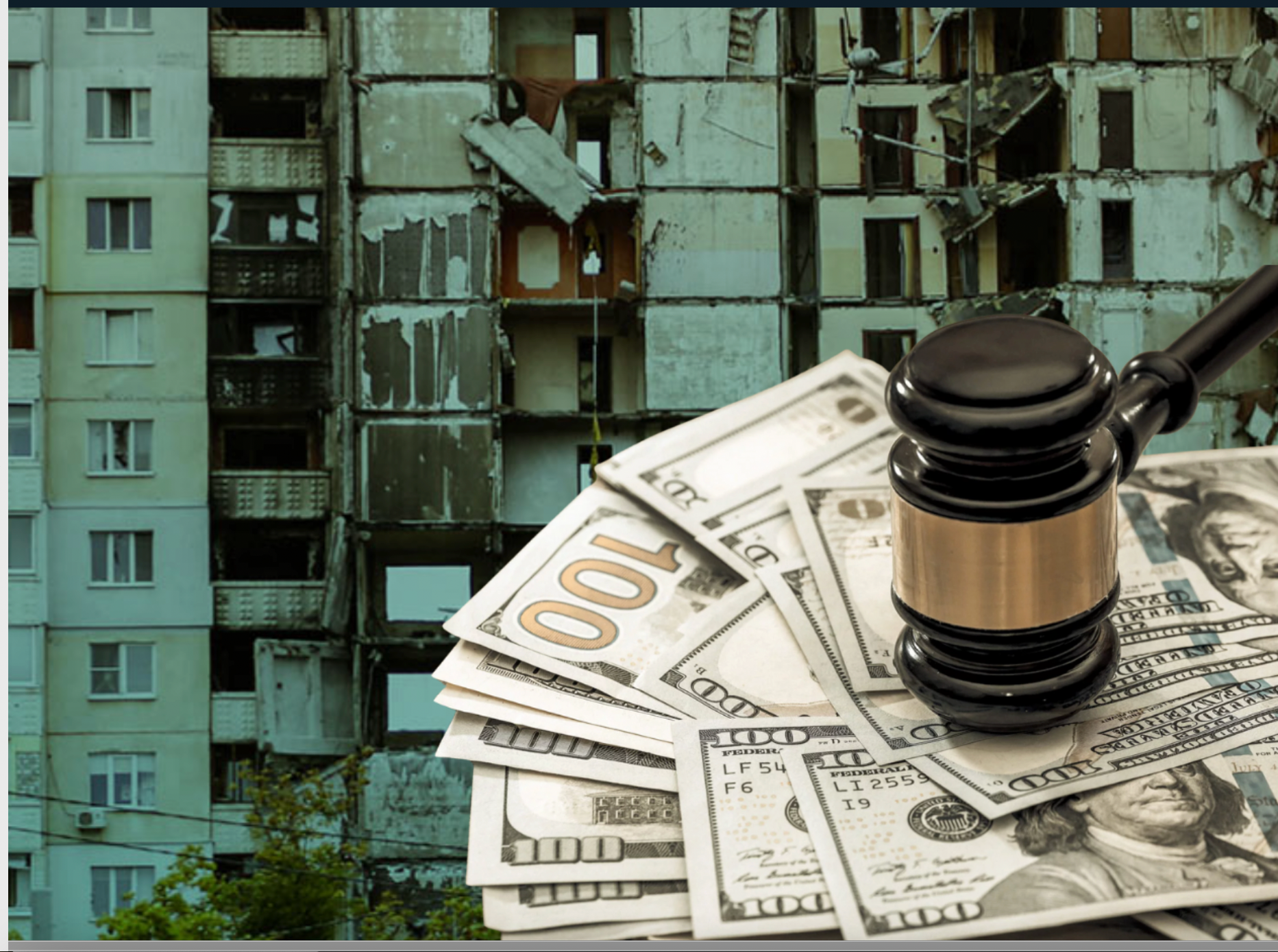
The European Union is racing to close Ukraine’s large budget gap before the year’s end. TVP World reports on a proposal for a €136 billion loan backed by frozen Russian assets. The plan aims to support Kyiv as financial pressures grow during Russia’s ongoing invasion.
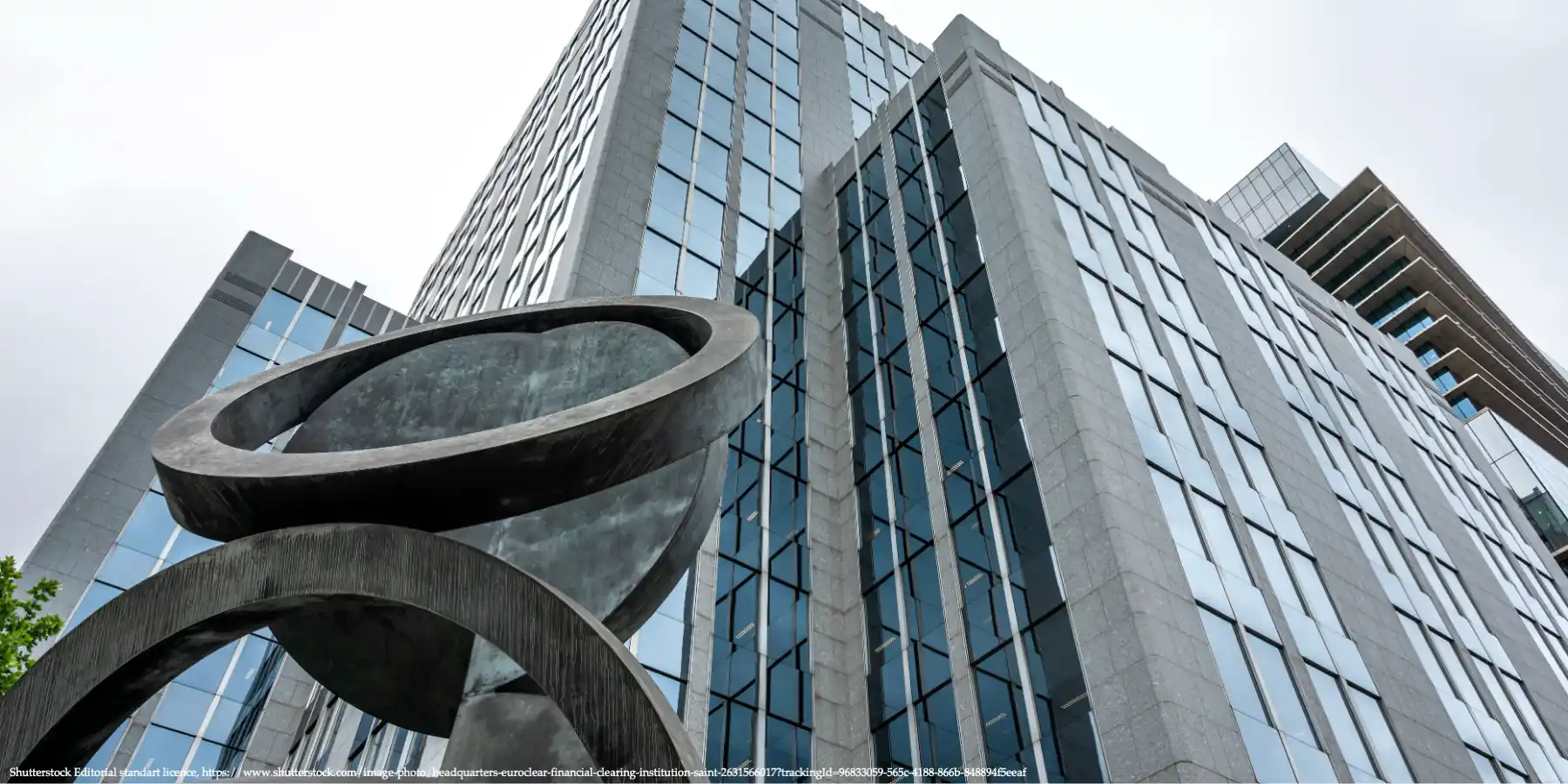
“There are dangers built into this scheme. It works only as long as sanctions remain in place. If sanctions end, Russia will ask for its money back, and Euroclear will hold EU bonds instead of cash, creating a massive liability for the Union,” said Benjamin Hilgenstock. He explained that this exposure could reach €185 billion, making the loan highly sensitive to political shifts.
The article also explores the broader stakes. The EU must keep Russia’s assets frozen to roll over the bonds that fund the loan, extending the arrangement until reparations are paid. Legal experts argue that the EU has strong defenses under public international law, yet even a small risk of arbitration worries some member states. Belgium, which hosts Euroclear, has called for extra guarantees before supporting the plan.
Read the Full Article
To explore the full context and Benjamin Hilgenstock’s insight, read the coverage in TVP World’s article here.
Further Reading
Cutting Russia’s revenue requires a coordinated strategy that targets energy exports, essential materials, and critical technologies. Broader trade, financial, and military restrictions also continue to undermine its war effort and limit its global influence.
For deeper insights into how sanctions shape Russia’s economy, visit the Sanctions Portal Evidence Base. To learn more about Western measures and Russia’s responses, explore the Timeline of Western Sanctions and Russian Countermeasures.