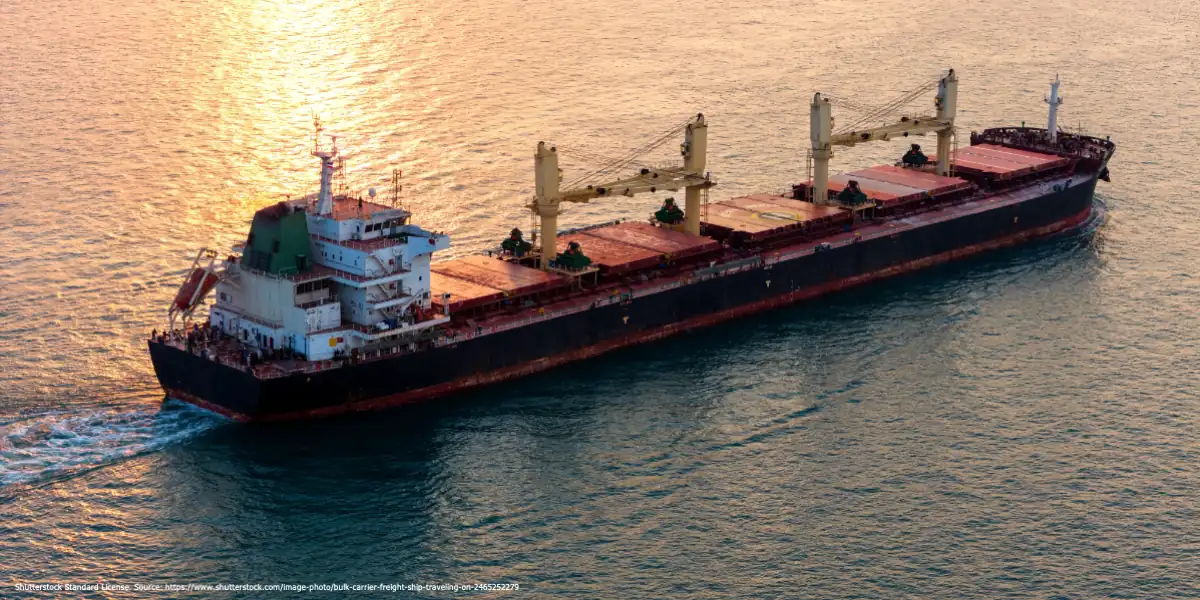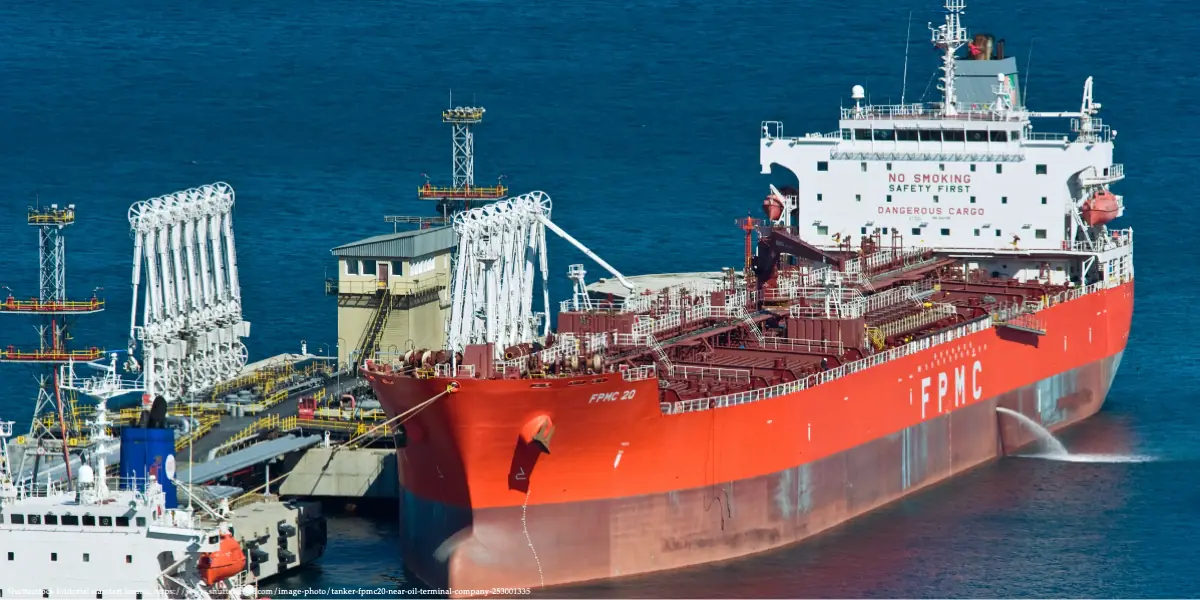
Russia remains one of the world’s largest oil exporters, and a recent media report reveals how Moscow increasingly depends on a growing “shadow fleet” to sidestep Western sanctions. The article, published by BBC Turkish, notes that hundreds of aging tankers transport Russian crude through the Baltic and Black Seas. Consequently, Europe faces mounting maritime and environmental risks.
“Russia has assembled a shadow fleet of oil tankers that allows it to evade sanctions. These old, poorly maintained vessels are unlikely to carry adequate insurance against oil spills. About three-quarters of Russia’s seaborne oil exports depart from ports in the Baltic and Black Seas. This means that these ships pass through European waters several times each day,” explains Benjamin Hilgenstock, a senior economist at the KSE Institute.
Tactics Behind Russia’s Shadow Fleet
The article also outlines the methods used by these vessels. Many disable tracking systems, change flags, or operate under false identities. In addition, maritime analysts estimate that more than 1,300 tankers now form part of this shadow network. As a result, roughly 80% of Russia’s seaborne exports move without insurance from major International Group–affiliated clubs. In response, NATO members have expanded monitoring efforts across the Baltic Sea, particularly after a series of drone and cable disruption incidents.
To read the full article, visit the original publication by BBC Turkish. Explore more policy briefs on the Russo-Ukrainian War in the policy brief section.
Further Reading: Sanctions, Energy, and Russia’s War Economy
Energy exports remain the backbone of Russia’s economy and a tool of geopolitical leverage. Sanctions targeting this sector aim to reduce state revenue and curb Moscow’s influence abroad.
Consult the Sanctions Portal Evidence Base to access the latest research on energy sanctions against Russia.
Review the Timeline of Western Sanctions and Russian Countermeasures to see how both sides have adapted since the full-scale invasion of Ukraine.