Benjamin Hilgenstock explains how new U.S. sanctions on Rosneft and Lukoil could deepen Russia’s budget strain in the Financial Times.
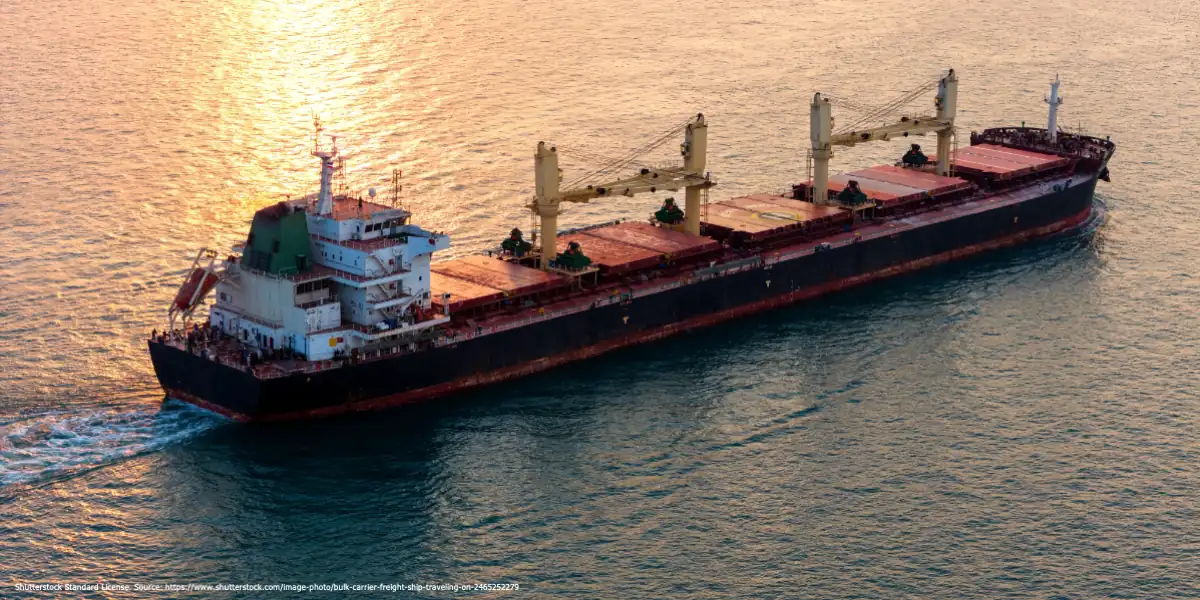
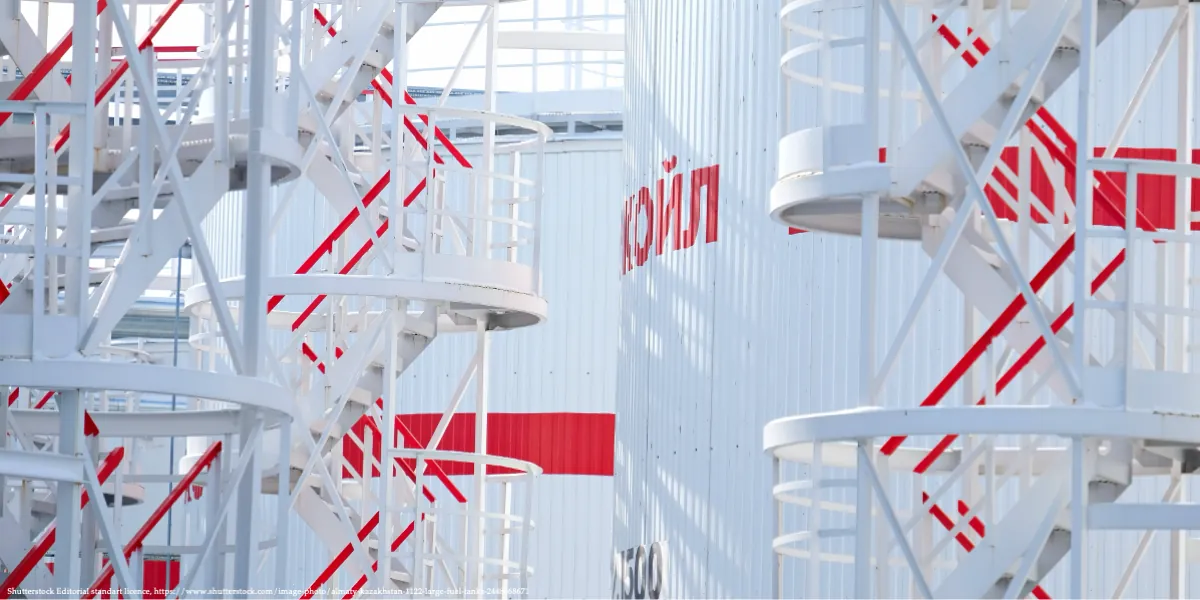
The United States has imposed its toughest sanctions yet on Russia’s energy sector, targeting Rosneft and Lukoil, the country’s two largest oil producers. In a recent Financial Times analysis, experts assessed how these measures might reshape global oil flows and pressure Moscow’s war financing amid a tightening fiscal landscape.
“The sanctions come at a time of heightened vulnerability for the Russian budget”, said Benjamin Hilgenstock, the head of macroeconomic research and strategy at Kyiv School of Economics Institute.
He also noted that energy revenues, which make up about a quarter of federal income, have already dropped 20 percent year-on-year in 2025, underscoring how Washington’s latest actions could intensify the squeeze on the Kremlin’s finances.
The Financial Times report also examined market reactions, with Brent crude prices climbing 9 percent as traders assessed the impact of disrupted Russian exports. Analysts cautioned that while China and India may initially resist pressure from Washington, secondary sanctions could force refiners to diversify supply, testing Russia’s ability to sustain production and revenue.
To read Benjamin Hilgenstock’s full commentary and the complete Financial Times article, visit FT.com. For more expert analysis from the KSE Institute, visit the institute’s homepage.
Further Reading
Energy exports play a crucial role in Russia’s economy and have long served as a source of geopolitical leverage over dependent countries. Sanctions targeting the energy sector aim to reduce state revenues and diminish Russia’s geopolitical influence. Explore the latest research on sanctions against Russia and its energy industry in the Sanctions Portal Evidence Base section.