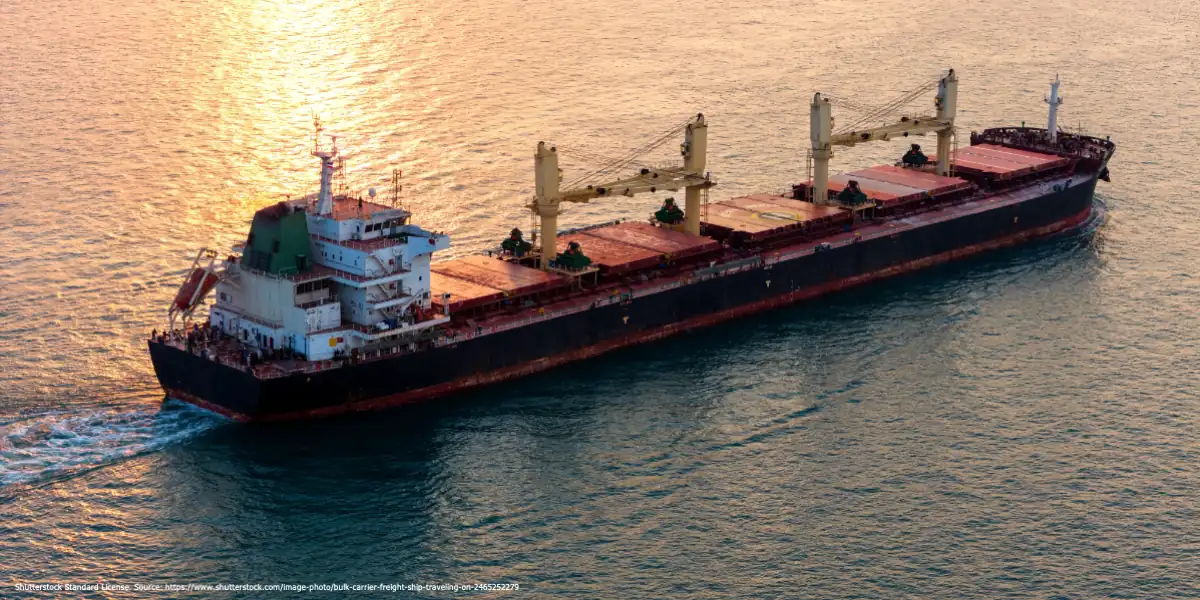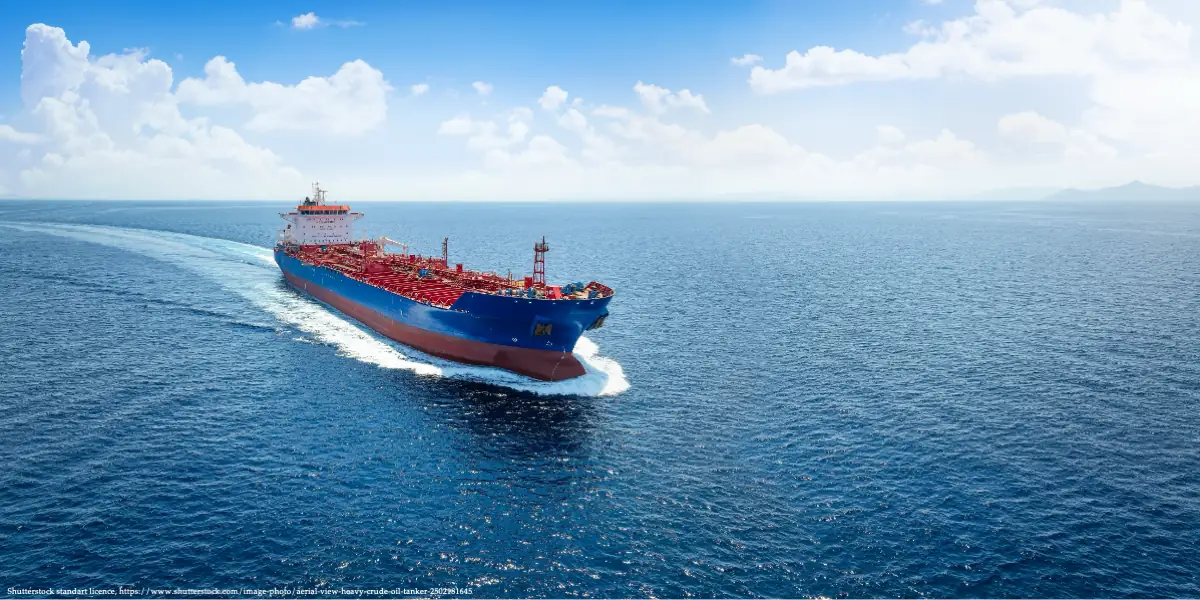
Ukraine has launched a new phase of attacks against Russia by targeting its so-called shadow fleet. These actions come as US-led peace talks enter a critical stage. In a recent Financial Times article, Kyiv confirmed for the first time that it has struck oil tankers used to bypass Western sanctions.
Naval drones hit two sanctioned vessels near Turkey’s Black Sea coast. Ukrainian officials said the goal was to reduce Russia’s war revenues. The attacks also aim to show Ukraine’s continued military reach despite pressure on the front lines.
Benjamin Hilgenstock on Sanctions Evasion
Benjamin Hilgenstock, an oil sanctions expert at the KSE Institute, explained how shadow fleet vessels operate outside formal oversight. He noted that some tankers involved in recent incidents have repeatedly manipulated tracking systems.
Hilgenstock pointed to the Turkish-owned tanker Mersin as an example. The vessel is not under Western sanctions. However, it has sailed almost exclusively from Russian ports since late 2023. It has also repeatedly interfered with its automatic identification system, a common sanctions-evasion tactic.
Rising Costs and Risks for Russian Oil Exports
The Financial Times article explains that Ukraine is shifting from fixed targets to mobile ones. Instead of only striking refineries or terminals, Kyiv is now targeting oil transport itself. Analysts say this raises costs, risks, and uncertainty across Russia’s energy supply chain.
Although only a small number of ships have been hit, the signal is clear. Tanker owners may reconsider involvement in the Russian oil trade. Insurance costs and freight rates are also likely to rise.
Geopolitical and Market Implications
Russia has condemned the attacks and warned of possible retaliation. Turkey has described the incidents as a dangerous escalation. At the same time, analysts note that Ukraine appears to be avoiding environmental risks by striking empty vessels.
Benjamin Hilgenstock’s analysis highlights how sanctions enforcement is evolving. Attacks on the shadow fleet add pressure where traditional measures have fallen short. They also underline the growing complexity of monitoring Russia’s oil exports.
To read the full article and Benjamin Hilgenstock’s commentary, visit the Financial Times here.