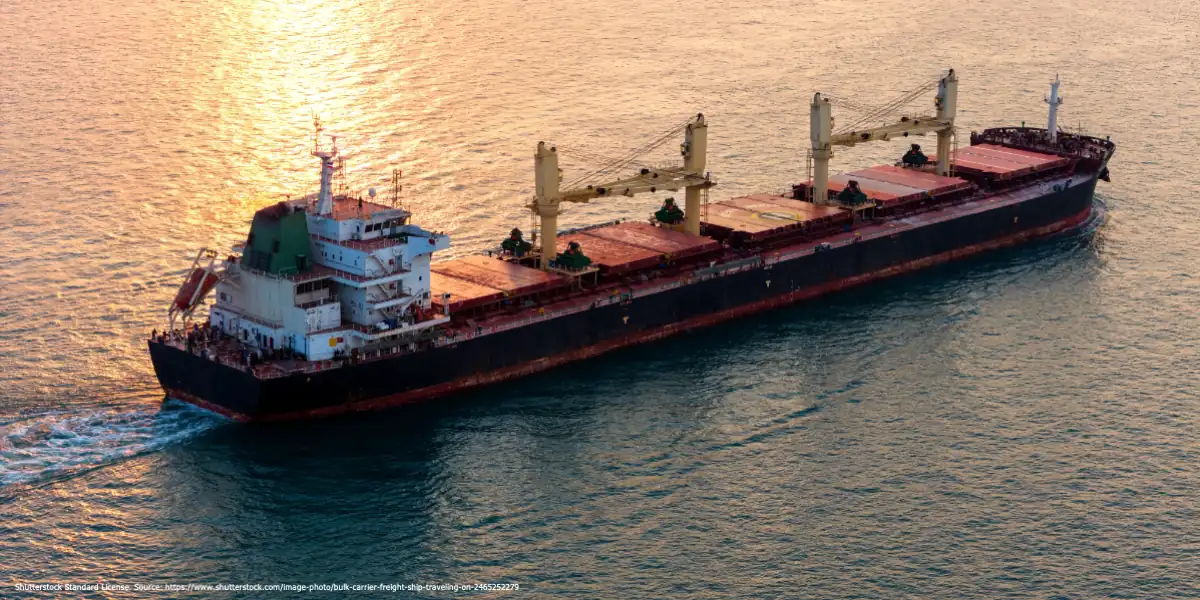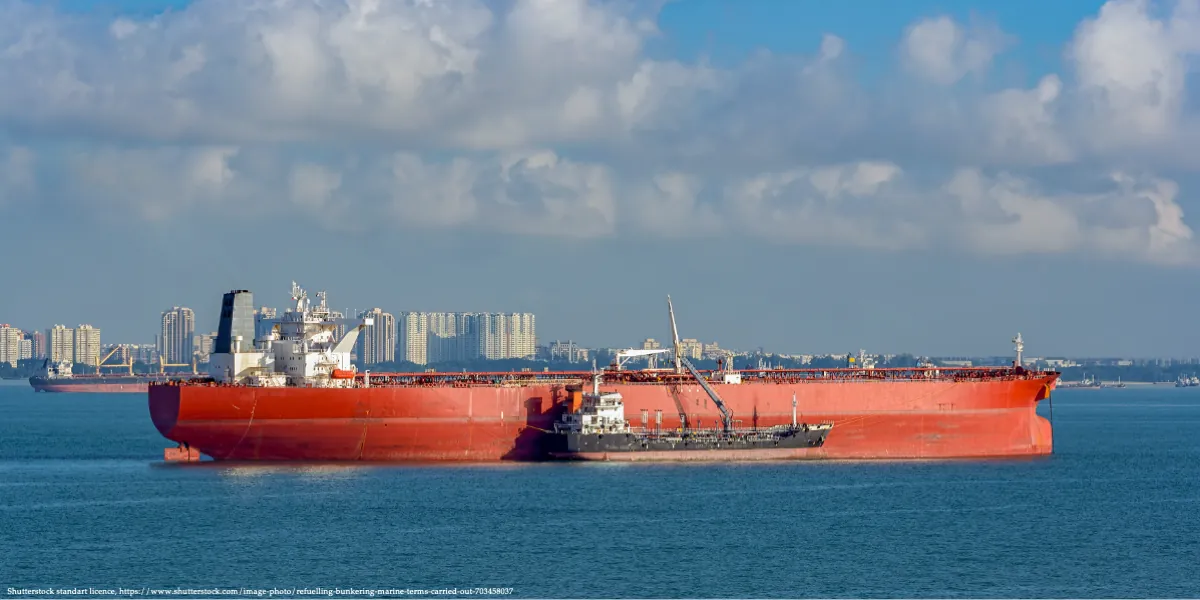
Western sanctions on Russia’s oil trade and shadow fleet continue to expand, but enforcement remains uneven. A new article by Vjesti, which refers to the data provided by a recent investigation by Radio Free Europe, discusses the oil tanker Mikati, which was added to the EU sanctions list during an active voyage. Its journey shows how sanctions can disrupt trade without fully stopping it.
The European Union now targets around 600 vessels linked to Russia’s shadow fleet. These ships often use complex ownership structures and flags of convenience. The Mikati case highlights how these practices complicate enforcement.
Benjamin Hilgenstock on Mid-Voyage Sanctions
Benjamin Hilgenstock, senior economist at the KSE Institute in Kyiv, explained the uncertainty sanctions can create. “Sometimes ships are sanctioned while they are already at sea, then someone has to call the buyer and ask if the contract is still valid,” Benjamin Hilgenstock said.
He noted that sanctions do not always cancel deliveries. Instead, they often lead to delays or renegotiated prices. Buyers may demand discounts to accept higher legal and financial risks. According to Benjamin Hilgenstock, this shows how sanctions disrupt normal trade flows rather than stopping them outright.
How the Shadow Fleet Adapts
The article also describes common shadow fleet tactics. These include frequent name changes, new owners, and switching off tracking systems. Sanctioned ships cannot enter EU ports or use Western insurance. However, they can still pass through international waters.
As a result, oil shipments often continue to markets such as India and China. The trips take longer and cost more. Productivity drops, but exports do not end.
EU Sanctions Versus US Measures
The article also compared EU sanctions with those imposed by the United States. Data cited in the article suggests that US sanctions have a stronger impact on shipping activity. Ships under US sanctions travel less and carry less oil. This comparison fuels debate over enforcement strength and global coordination.
For Benjamin Hilgenstock, the Mikati story offers a clear lesson. Sanctions matter, but timing and coordination are crucial. Without both, ships will keep sailing.
To read the full investigation and Benjamin Hilgenstock’s analysis, visit the full article here.
Further Reading
Energy exports play a central role in Russia’s economy. Moscow has long used them as a source of geopolitical leverage. Sanctions targeting the energy sector aim to reduce state revenue and weaken global influence. Explore the latest research on sanctions against Russia and its energy industry in the Sanctions Portal Evidence Base section.