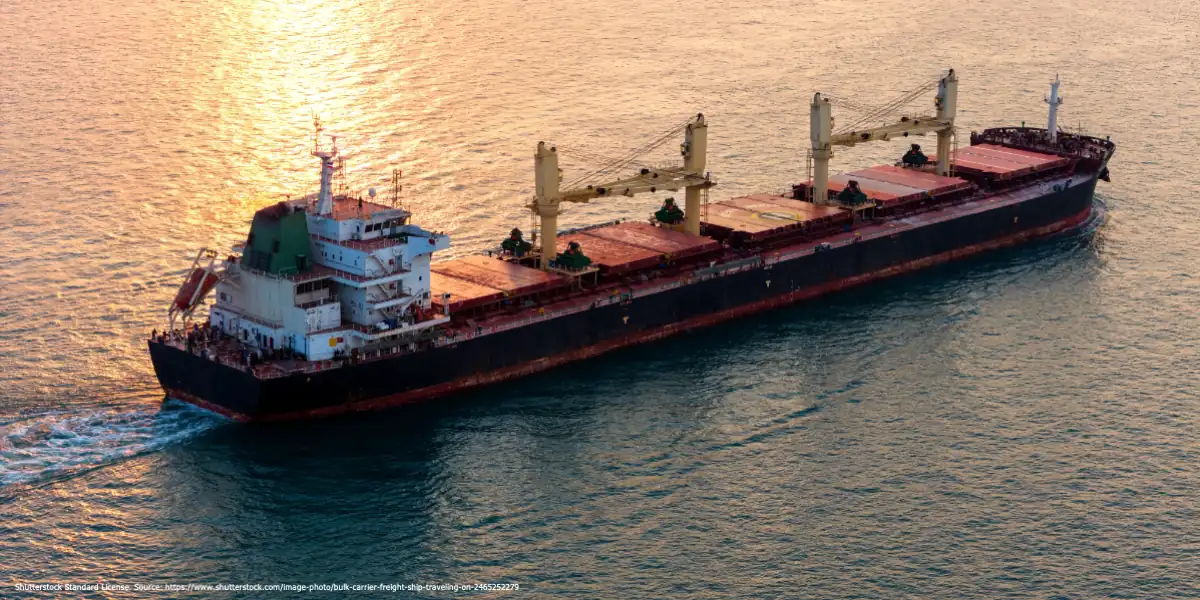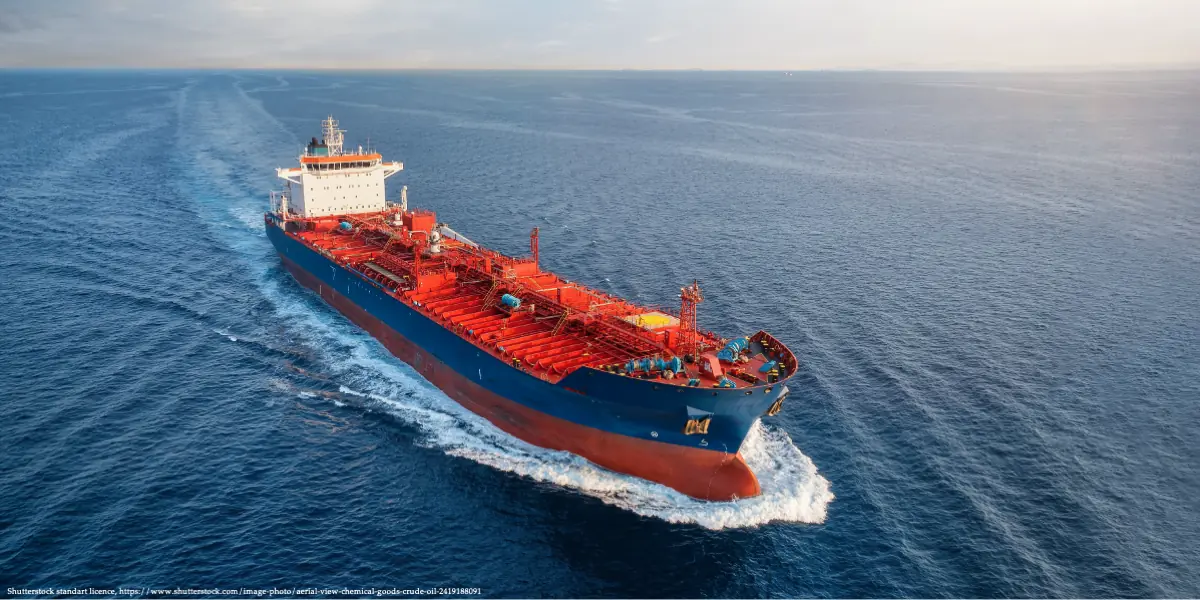
Russia’s reliance on a rapidly expanding “shadow fleet” has become central to its efforts to evade Western sanctions, according to a new investigative feature on maritime smuggling and hybrid threats. The article outlines how hundreds of aging, covertly operated tankers now move the majority of Russia’s oil exports, enabling the Kremlin to sustain revenues despite restrictions imposed after the invasion of Ukraine. The report also links the fleet to broader security concerns, including suspected espionage and sabotage across Europe’s critical undersea infrastructure.
“Russia has built a shadow fleet of tankers that allows it to bypass sanctions,” says Benjamin Hilgenstock, senior economist at the Kyiv Institute of Economics. “But they are also old, poorly maintained, and likely insufficiently insured against an oil spill.”
Hilgenstock’s analysis underscores the mounting environmental and economic risks posed by vessels operating under false flags, with manipulated tracking data, and without adequate oversight.
The article further explores how NATO allies are responding to the rise of these “ghost” and “zombie” ships. European states have tightened maritime monitoring in the Baltic and North Seas, while the Baltic Sentry mission now uses patrol aircraft and naval assets to deter suspected Russian hybrid activity. Yet enforcement remains limited: most interceptions can only occur within territorial waters, leaving vast areas of international seas vulnerable to covert transport and potential sabotage.
To read the full investigation and Benjamin Hilgenstock’s expert insight, access the complete article through the publishing outlet. For more expert analysis from SITE, visit Insights.