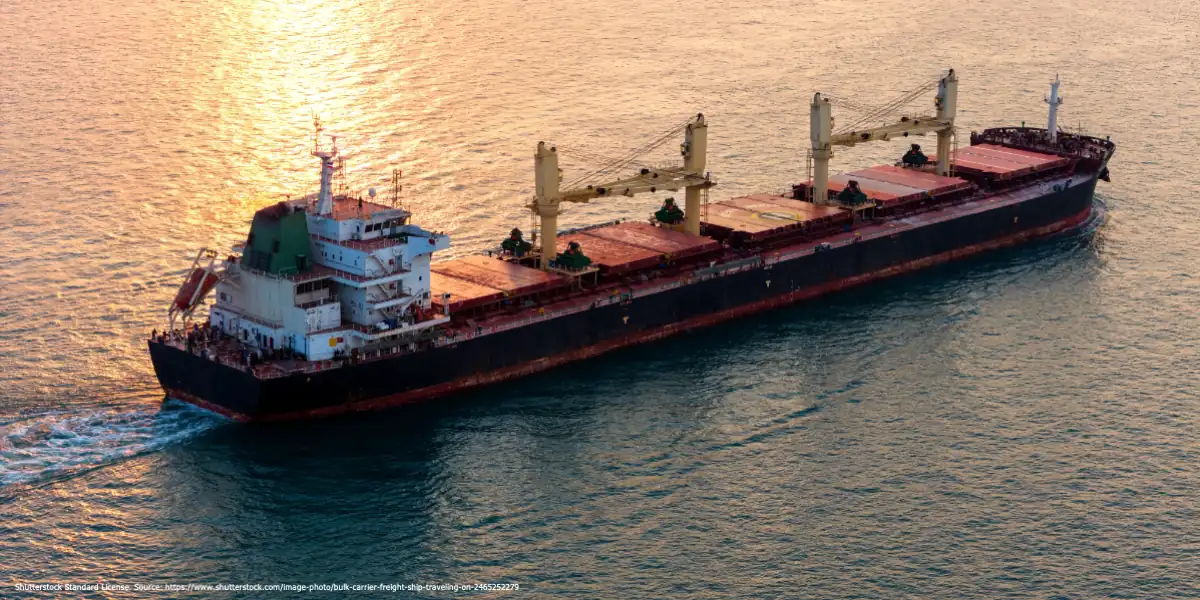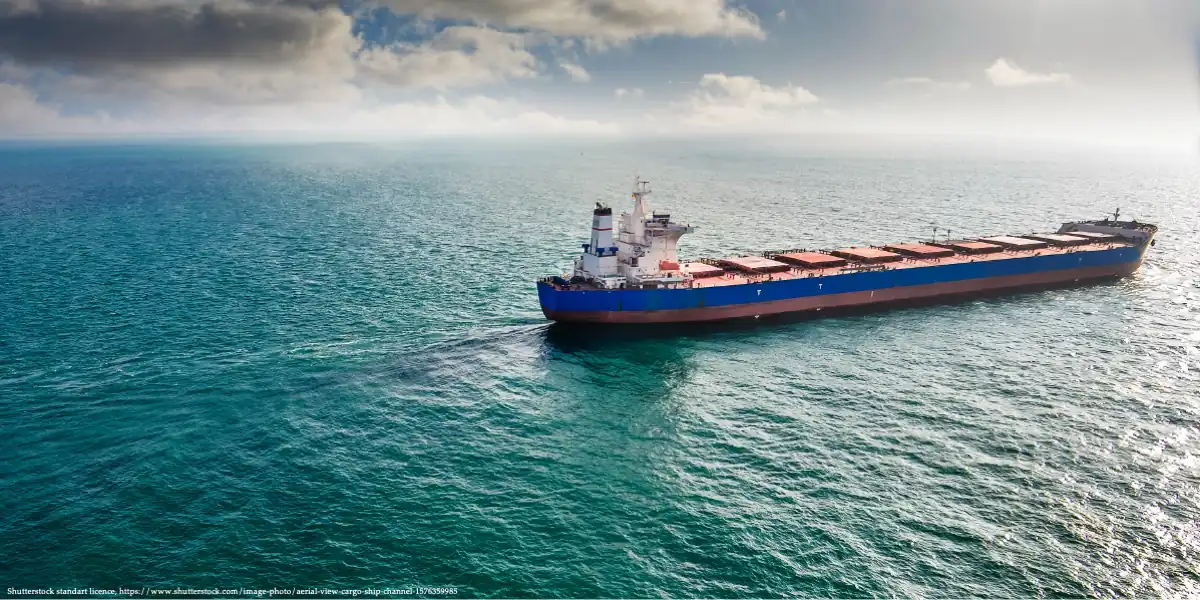
Ukraine is using low-cost naval drones as one of its most effective tools against Russia’s shadow oil fleet. A recent Euromaidan Press article shows how repeated drone strikes raise insurance costs and disrupt tanker operations. These effects extend far beyond the physical damage. The campaign marks a shift from traditional sanctions to direct economic pressure at sea.
“The price cap is, to all intents and purposes, dead,” said Benjamin Hilgenstock, Director of the Center for Geoeconomics and Resilience at the KSE Institute. He explained that Ukraine’s drone strategy succeeds where Western sanctions have struggled. Russia continues to export oil despite formal restrictions.
Benjamin Hilgenstock noted that growing risks for the shadow fleet are driving up costs for Moscow. Even when drones do not sink tankers, they trigger delays, repairs, and higher insurance premiums. These pressures make oil transport slower and less efficient.
The article reports that five tankers suffered damage or disruption in just two weeks. Some vessels entered emergency repairs, while operators withdrew others from Russia-linked routes. Maritime insurers cited in the report say war-risk premiums for Black Sea tankers have risen by up to 250 percent. These added costs create an economic burden that sanctions alone failed to impose.
Ukraine is not attempting a physical blockade. Instead, its strategy focuses on sustained financial pressure. As Hilgenstock observed, rising risks make it more expensive for Russia to move its oil. The long-term impact on war financing remains uncertain. However, the campaign is already reshaping maritime trade linked to Moscow.
To read the full analysis and Benjamin Hilgenstock’s commentary, visit the original article in Euromaidan Press.
Further Reading
Energy exports play a central role in Russia’s economy. Moscow has long used them as a source of geopolitical leverage. Sanctions targeting the energy sector aim to reduce state revenue and weaken global influence. Explore the latest research on sanctions against Russia and its energy industry in the Sanctions Portal Evidence Base section.