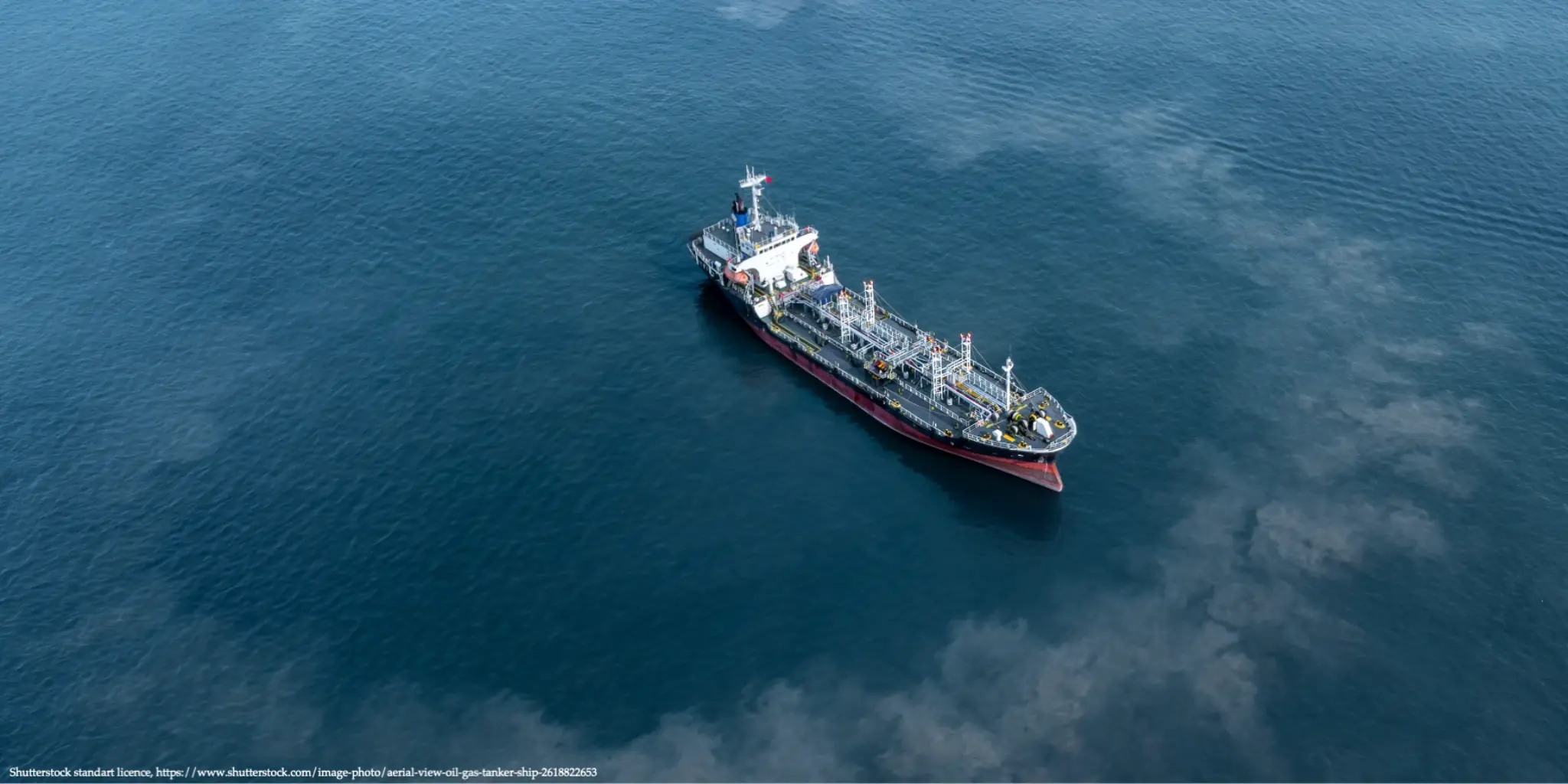
A recent feature article examined how Russia’s so-called shadow fleet continues to transport vast quantities of oil through the Baltic Sea despite international sanctions and growing security concerns. While global attention has focused on tensions in the Strait of Hormuz, hundreds of tankers linked to Russia’s shadow fleet continue to move oil through the Baltic Sea, the Øresund Strait, and the Great Belt. The report highlights how rising oil prices and the disappearance of the discount previously applied to Russian crude have significantly increased revenues for the Kremlin.
Economic Importance of the Shadow Fleet
The article features commentary from Daniel Spiro, Professor of Economics at Uppsala University and an expert on Russia’s shadow fleet. According to Spiro, nearly half of Russia’s oil exports pass through the Baltic Sea, with a substantial share transported by vessels operating outside the traditional Western regulatory framework.
“Almost half of all Russian oil exports are transported through the Baltic Sea, and a large portion of that oil is carried by the shadow fleet,” Daniel Spiro explained.
He noted that these shipments generate revenues worth hundreds of billions of Swedish kronor annually, representing a significant contribution to Russia’s economy and its ability to sustain military operations in Ukraine.
How Russia Adapted to the Oil Price Cap
The article traces the origins of the shadow fleet to the G7, EU, and Australian oil price cap introduced in December 2022. The mechanism was designed to keep Russian oil on global markets while limiting Moscow’s earnings. In response, Russia developed an extensive network of tankers registered under various flags and operating with limited transparency.
Daniel Spiro argues that Russia recognized the strategic importance of controlling maritime transport. By building a shadow fleet, Moscow has not only reduced the impact of the price cap but has also increased its resilience against future sanctions. As a result, Russia has maintained substantial export volumes while adapting to changing restrictions imposed by Western governments.
Growing Pressure and Security Risks
The report also discusses increasing efforts by NATO and European governments to disrupt the shadow fleet’s operations. New sanctions, inspections, and enforcement measures have been introduced across Europe, while Ukraine has targeted Russian oil infrastructure in the Gulf of Finland. According to data cited in the article, these attacks have reduced export volumes, although higher oil prices have largely offset revenue losses.
At the same time, concerns are growing over the environmental and security risks posed by aging tankers operating in heavily trafficked waterways. Experts warn that an accident involving a fully loaded shadow fleet vessel in the Baltic Sea or Øresund Strait could result in one of the largest oil spills in European history.
Future Policy Options
The article concludes by examining possible future responses. Daniel Spiro notes that governments could impose stricter controls, increase inspections, or introduce additional operational requirements for vessels transiting strategic waterways. While more aggressive measures remain possible, he cautions that actions directly targeting access to the Baltic Sea would carry significant geopolitical risks.
To read the full EFN article, refer to the original publication.
Further Reading
Readers interested in the broader topic of sanctions on Russia and Russian economic retaliation can explore our dedicated online portal, which brings together expert analysis, data, and research on the evolving sanctions landscape. The platform serves as a resource hub for researchers, journalists, policymakers, and the public seeking evidence-based insights into sanctions policy and Russia’s economic adaptation.
Explore the Sanctions Timeline, which provides a chronological overview of major sanctions packages imposed by Western allies in response to Russia’s full-scale invasion of Ukraine, alongside Russian countermeasures and domestic adaptation policies.
Visit the Evidence Base to access the latest publications, policy briefs, and research reports examining sanctions effectiveness and economic impacts.
For additional media appearances and expert commentary from Daniel Spiro and other members of our research team, explore our Media Highlights section.