Rising diesel prices are putting pressure on European businesses, transport networks, and consumers, raising new questions about the continent’s energy security. In an article published by United News Philippines on October 8, 2026, energy security analyst Petras Katinas of the Royal United Services Institute (RUSI) discusses the risks associated with Europe’s increasing reliance on US energy supplies.
Europe’s Diesel Market Faces Growing Pressure
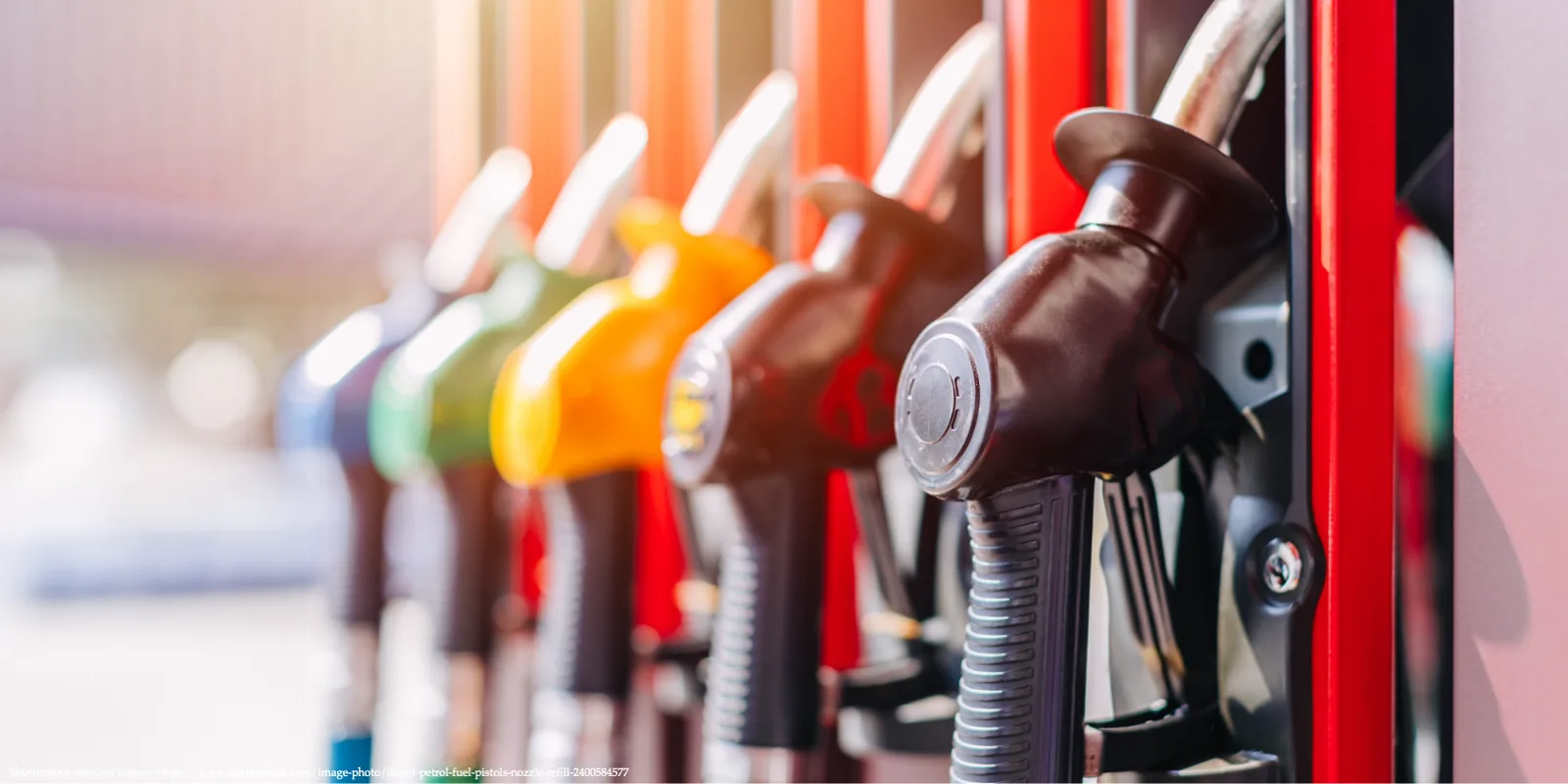
Europe is experiencing significant increases in diesel prices as disruptions to Russian and Middle Eastern energy supplies tighten global fuel markets.
According to the article, the EU’s consumption-weighted average retail diesel price has reached €2.23 per liter, increasing costs for freight operators, agricultural producers, and businesses.
The consequences extend beyond the energy sector. Higher transportation costs can contribute to rising consumer prices, while fuel-intensive industries face additional pressure on their operating margins.
Petras Katinas Highlights Europe’s Energy Security Vulnerabilities
The article features Petras Katinas, an energy security analyst at RUSI, who examines the implications of Europe’s changing energy supply relationships.
Katinas explains that Europe’s growing dependence on US energy exports reflects efforts to reduce reliance on Russian supplies. However, this shift could introduce new vulnerabilities.
The concern has become particularly relevant amid discussions in Washington about potential restrictions on US diesel exports.
According to the article, US suppliers have become increasingly important to European diesel markets, particularly in Northwestern Europe.
Diversification Remains Central to European Energy Security
Europe’s current diesel market pressures illustrate a broader challenge: reducing dependence on one energy supplier does not automatically eliminate supply risks.
Although Europe’s efforts to move away from Russian energy have reshaped its import relationships, dependence on alternative suppliers can expose European economies to new geopolitical and commercial uncertainties.
A more resilient energy system requires diversified supply sources, stronger infrastructure, and reduced exposure to disruptions affecting individual exporters.
The current situation also highlights the importance of understanding how sanctions, geopolitical developments, and changes in global energy trade interact to shape European energy security.
Read the original article: Diesel Price Surge Sends Shockwaves Through European Economy – United News Philippines
Read More: Europe’s Energy Security and Gas Crisis
For further insights into Europe’s energy vulnerabilities and the challenges of reducing dependence on Russian energy supplies, read the FREE Network policy brief Gas Crisis and European Energy Security. The publication provides additional context for understanding Europe’s energy security challenges and the importance of building a more resilient energy system.