Western companies that continue operating in Russia face growing scrutiny over the taxes they contribute to the Russian state as the Kremlin seeks additional revenue to sustain government spending during the war against Ukraine. Torbjörn Becker, Director of the Stockholm Institute of Transition Economics (SITE), argues that it is “unreasonable” for Western companies to remain in Russia, according to an editorial published by Swedish business newspaper Dagens industri.
The issue is becoming increasingly significant as Russia seeks to raise additional revenue through its tax system. Dagens industri points to proposed tax increases in Russia’s budget plans, including measures affecting foreign companies, and argues that continued operations by Western businesses provide revenue to the Russian state while the war continues.
Western Companies Continue to Operate in Russia
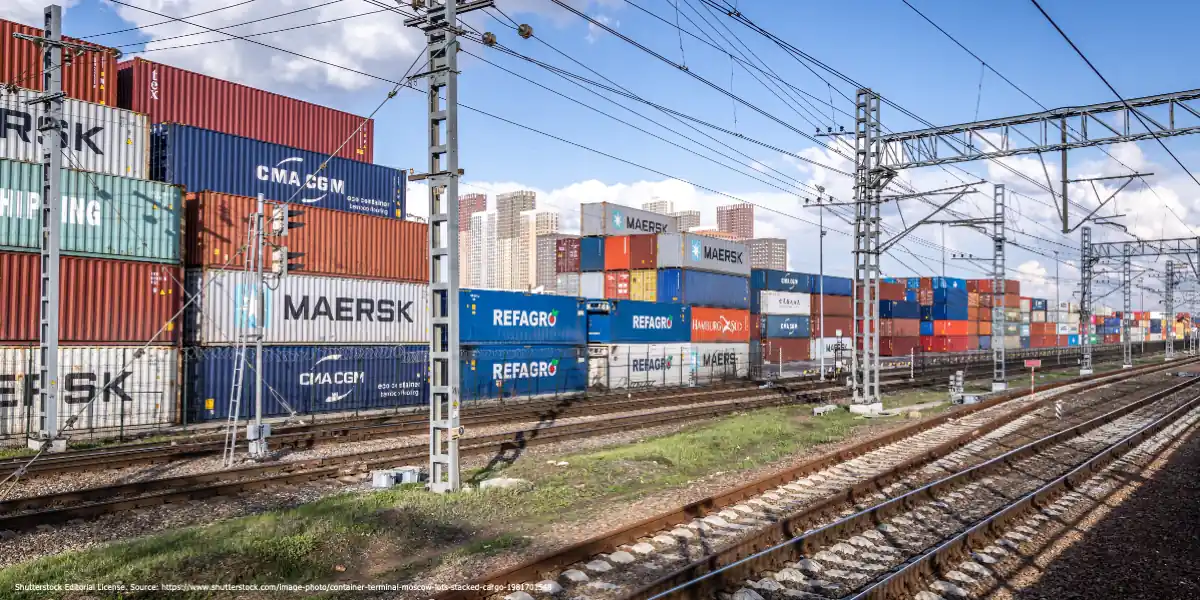
More than four years after Russia launched its full-scale invasion of Ukraine, a substantial number of foreign businesses continue to operate in the Russian market.
Citing data from the Leave Russia project, Dagens industri reports that hundreds of foreign companies have completed their withdrawal, while many more remain active or are still attempting to exit.
The economic significance extends beyond the goods and services these businesses provide. Foreign companies operating in Russia also contribute to government revenues through corporate and other taxes.
Research by the KSE Institute has tracked foreign companies’ activities in Russia and the taxes they contribute to the Russian state. These revenues have become an increasingly important part of the debate over the role of international businesses that continue operating in Russia.
For Becker, the case for Western companies to reconsider their presence becomes stronger as Russia increases taxation.
He describes the continued presence of Western companies in the country as “unreasonable”, according to Dagens industri. Higher taxes, the newspaper notes, further increase the revenues that companies operating in Russia may contribute to the state.
Leaving Russia Can Be Difficult
Corporate withdrawal from Russia, however, is not always straightforward. Russian authorities have introduced restrictions and approval requirements affecting foreign companies seeking to sell their Russian businesses. Companies may face substantial financial losses, delays, or difficulties finding approved buyers.
Dagens industri highlights Danish brewer Carlsberg as one example. The company announced plans to leave Russia in 2022, but the process of disposing of its Russian operations took considerably longer.
The Leave Russia project also identifies companies that have announced their intention to withdraw but have not yet completed their exit.
This distinction is important when assessing corporate exposure to Russia: companies maintaining operations by choice and companies caught in lengthy exit procedures may face very different circumstances.
Nevertheless, continued foreign business activity has broader economic consequences. Beyond generating tax revenues, international companies can provide products, investment, employment, technology and commercial expertise to the Russian economy.
Corporate Activity and Russia’s War Economy
The debate over foreign companies also forms part of the broader question of Russia’s capacity to finance its war.
Russia has maintained substantial military expenditure despite sanctions and restrictions on access to international markets. At the same time, pressures on public finances have increased as military expenditure competes with other government priorities.
Additional taxation represents one mechanism through which the Russian government can generate more revenue.
This makes the presence of foreign companies relevant to the broader discussion about the effectiveness of economic pressure on Russia. Sanctions restrict specific transactions, technologies, individuals and sectors, but they do not automatically prohibit every form of commercial activity in the country.
Consequently, a company can potentially comply with applicable sanctions while still generating taxable economic activity in Russia.
The distinction between legal sanctions compliance and the wider economic effects of remaining in the Russian market is therefore central to the debate highlighted by Dagens industri.
Becker’s assessment points to this broader economic consideration: as Russia searches for additional sources of revenue, the taxes generated by companies that remain in the country become increasingly relevant to understanding how Russia finances government expenditure during the war.
Read the original editorial: “Säg nej till Putins blodspengar” — Dagens industri.
Further Reading
For a broader assessment of Russia’s economic capacity to sustain the war, read Russia’s Economy Reaches a Critical Stage, New Report Finds. The article presents findings from Endgame: The State of the Russian Economy, a report by the Stockholm Institute of Transition Economics (SITE) and the Kiel Institute for the World Economy examining Russia’s fiscal reserves, economic growth, financial pressures and longer-term constraints on its war economy.
Readers can also explore the Sanctions on Russia project for research and data tracking Western sanctions, Russian countermeasures and their economic consequences.
For further insights into the challenges facing foreign businesses operating in Russia, explore the FREE Network policy brief Russia’s Counter Sanctions: Forward to the Past!. The research examines how Russia’s counter-sanctions have expanded state control, restricted foreign companies’ ability to exit the market and increased economic intervention, contributing to declining competition and growing fiscal vulnerabilities.