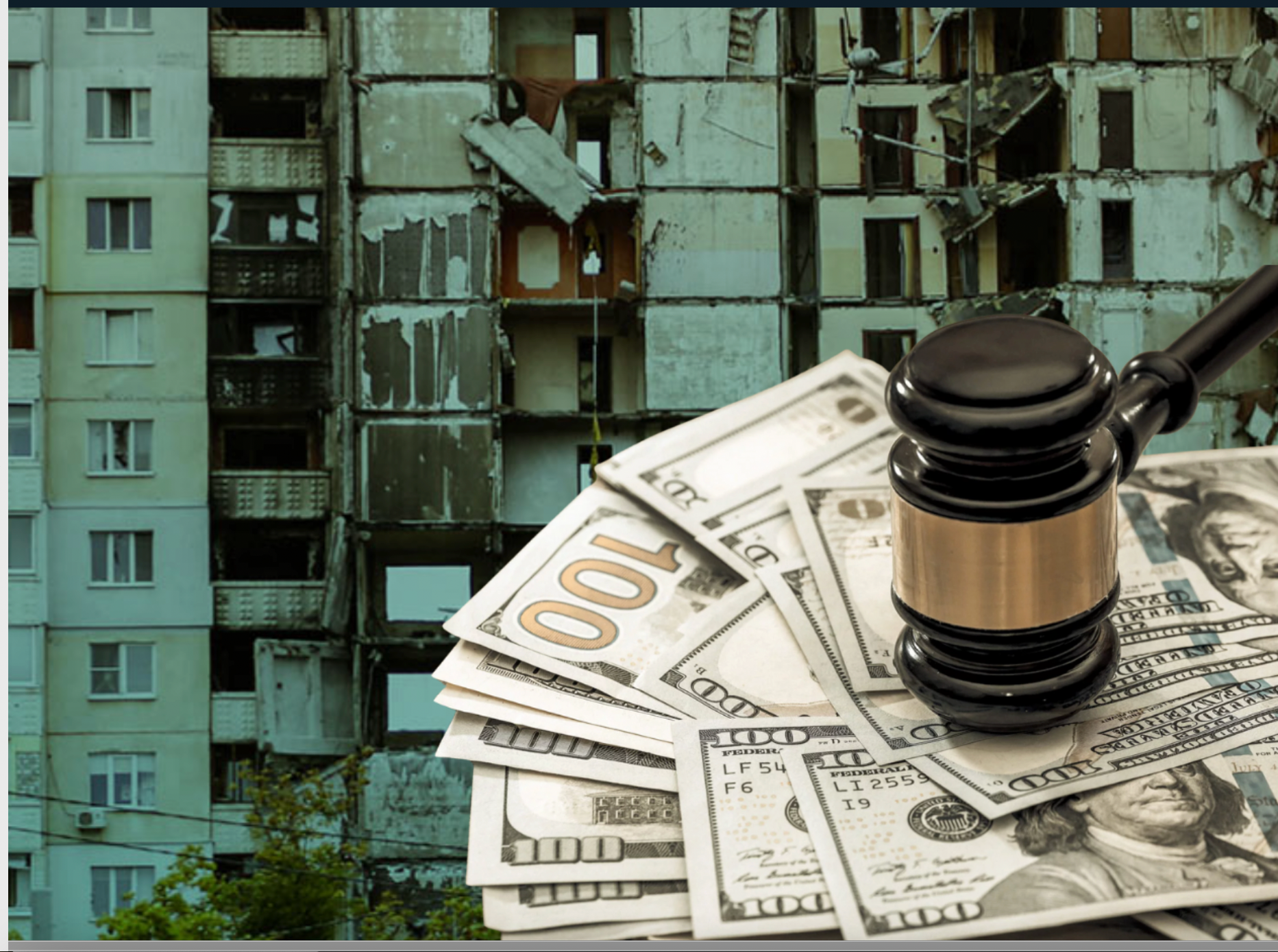
Sanctions have been the West’s main weapon against Russia since the country’s invasion of Ukraine in 2022. But have they truly weakened Moscow’s war economy? Maria Perrotta Berlin, Assistant Professor at the Stockholm Institute of Transition Economics (SITE), shared her insights with Sweden’s Herald, offering a critical assessment of the effectiveness of Western sanctions on Russia.
“The sanctions are large and powerful,” she explained. “But they have always come a little too late. Russia has had time to adapt and find ways to circumvent them — and so we have to find ways to plug the loopholes. We are always one step behind.”
In her commentary ahead of the upcoming Trump–Putin summit in Alaska, Maria Perrotta Berlin highlighted the paradox of a heavily sanctioned yet resilient Russian economy. Despite more than 20,000 international sanctions, exceeding those imposed on Iran, Venezuela, North Korea, and Cuba combined, Russia’s GDP continues to rise, and its wealthiest citizens are becoming richer, according to recent IMF and Forbes reports.
Maria Perrotta Berlin’s expert analysis sheds light on why sanctions alone may not be enough to weaken Russia’s financial strength, emphasizing the need for faster, coordinated global action to close remaining loopholes.
Read the full analysis on Sweden’s Herald.