Rising tensions in the Middle East are sending shockwaves through global energy markets. In a recent article by the Swedish business outlet Affärsvärlden, analysts examined how the escalating crisis in the Strait of Hormuz could disrupt oil supplies and reshape energy markets worldwide. The narrow waterway carries roughly ~20% of the world’s oil supply, making any disruption a major risk for global energy security.
In the article, energy researcher Henrik Wachtmeister, Research Fellow at the Swedish National China Centre, shared his opinion on the unfolding situation. Wachtmeister warned that the current tensions represent a potential worst-case scenario for the oil market if shipping through the strait is halted for a prolonged period. While oil prices have so far risen only moderately, he noted that market movements may underestimate the seriousness of the geopolitical risks and the potential for larger disruptions.
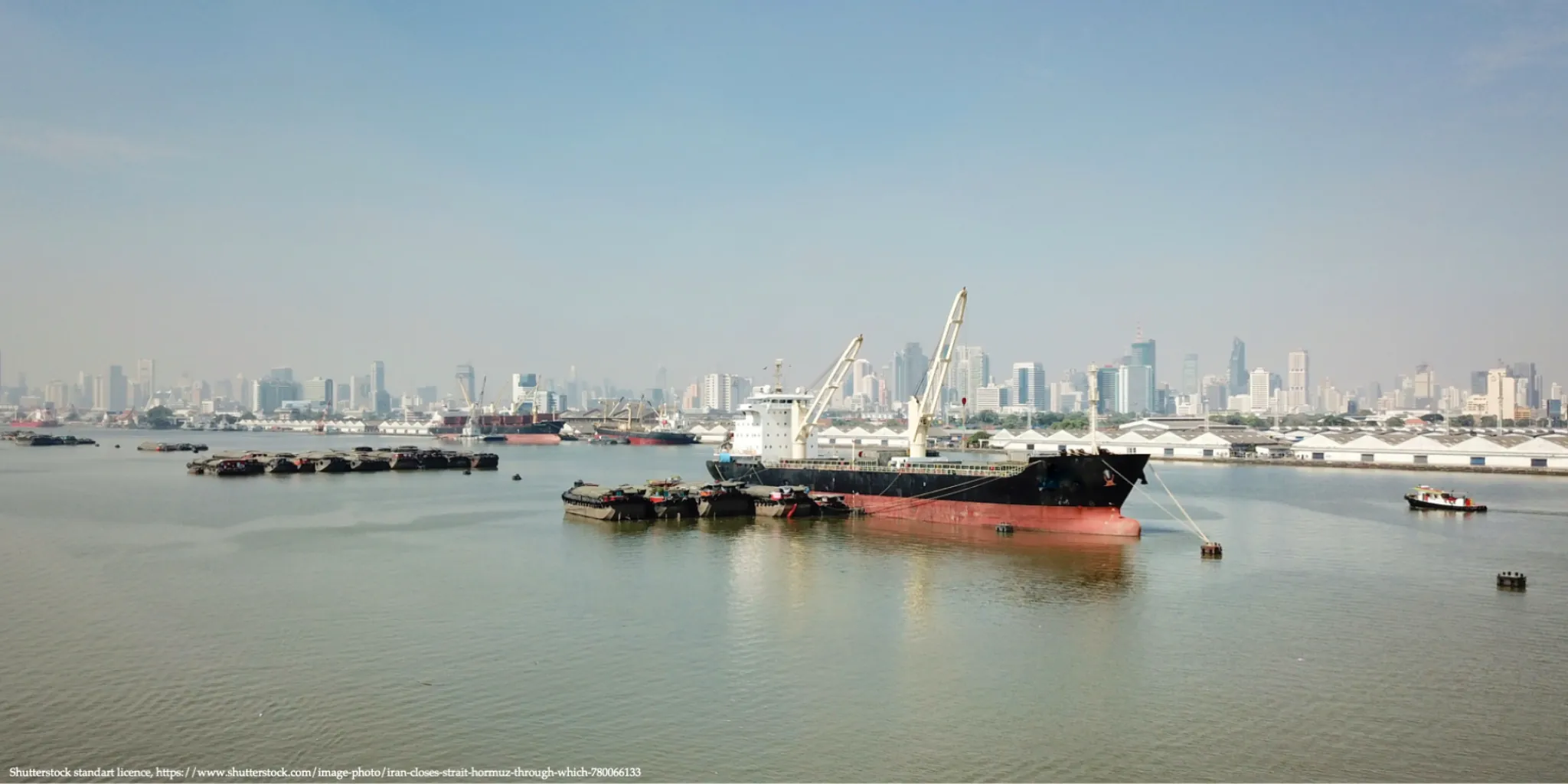
The Affärsvärlden report also explored broader implications for global markets and energy security. Hundreds of vessels have reportedly anchored near the strait amid uncertainty. It highlights the vulnerability of the global energy system to geopolitical chokepoints. Analysts note that prolonged disruption could sharply increase oil prices and trigger wider economic effects, including inflationary pressure and supply shortages across major importing regions.
To explore the full analysis and Henrik Wachtmeister’s commentary on the Strait of Hormuz crisis and global energy markets, read the complete article in Affärsvärlden.