Efforts by the European Union to reduce Russia’s oil revenues are drawing renewed attention as policymakers consider tougher measures against Moscow’s energy sector. In a recent article in Dagens Industri, experts discussed the potential consequences of replacing the current price cap with broader restrictions on maritime services tied to Russian oil exports. The discussion highlights the growing geopolitical stakes as the EU seeks to further limit a key source of funding for Russia’s war economy.
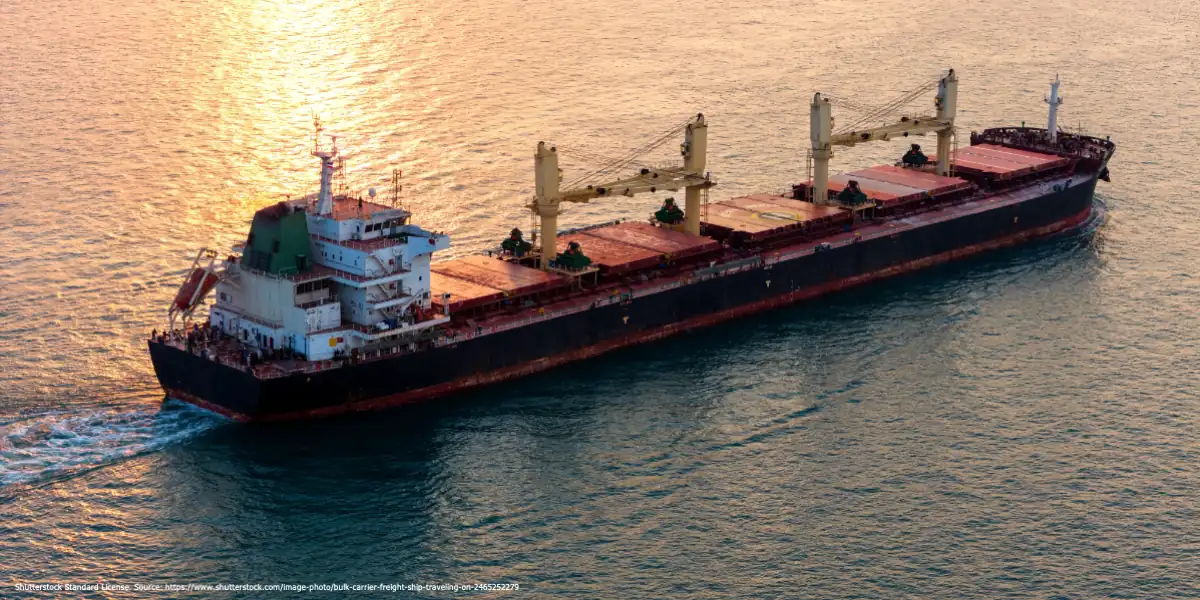
Henrik Wachtmeister, energy security expert affiliated with the Swedish Institute of International Affairs, cautioned that stronger enforcement could also raise geopolitical risks. According to Wachtmeister, tightening restrictions on shipping services and targeting Russia’s so-called “shadow fleet” of oil tankers may increase tensions between Russia and Western countries. He noted that any attempt to significantly disrupt these transport networks could provoke countermeasures and heighten the risk of escalation in the broader conflict.
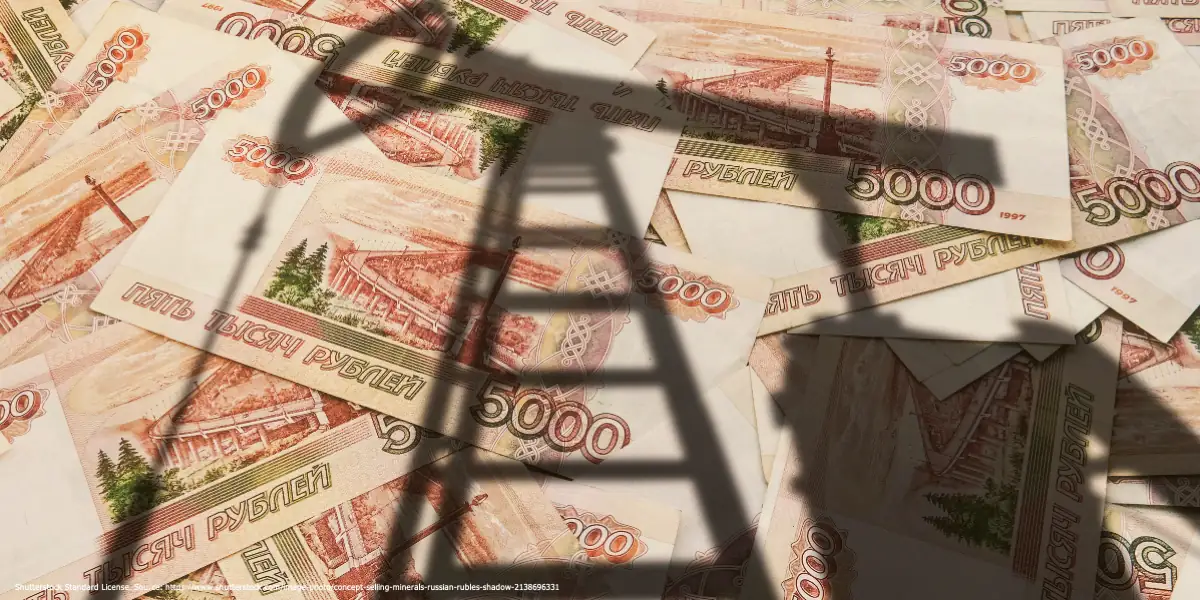
The article also explores how the EU is considering new approaches to reduce Moscow’s oil income, which remains a central pillar of the Russian state budget. Sanctions since 2022 have targeted energy exports through import bans, price caps, and restrictions on shipping and financial services linked to oil trade. These policies aim to reduce Russia’s ability to finance its war while avoiding major disruptions to global oil markets.
To explore the full analysis and Henrik Wachtmeister’s commentary on the risks surrounding EU oil sanctions and Russian energy revenues, read the complete article in Dagens Industri.