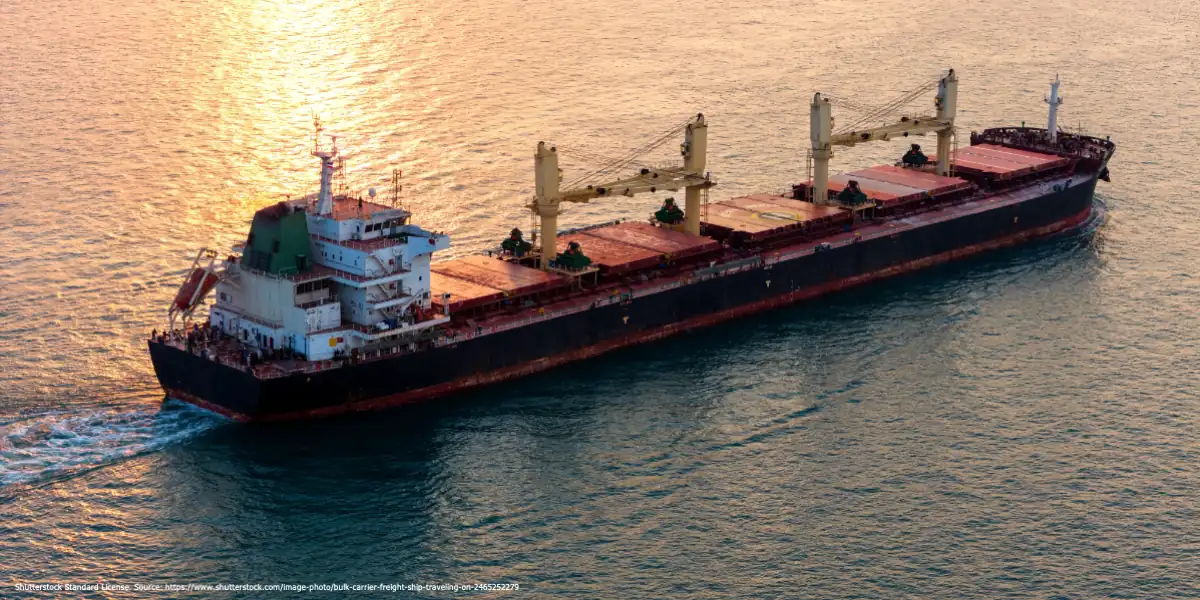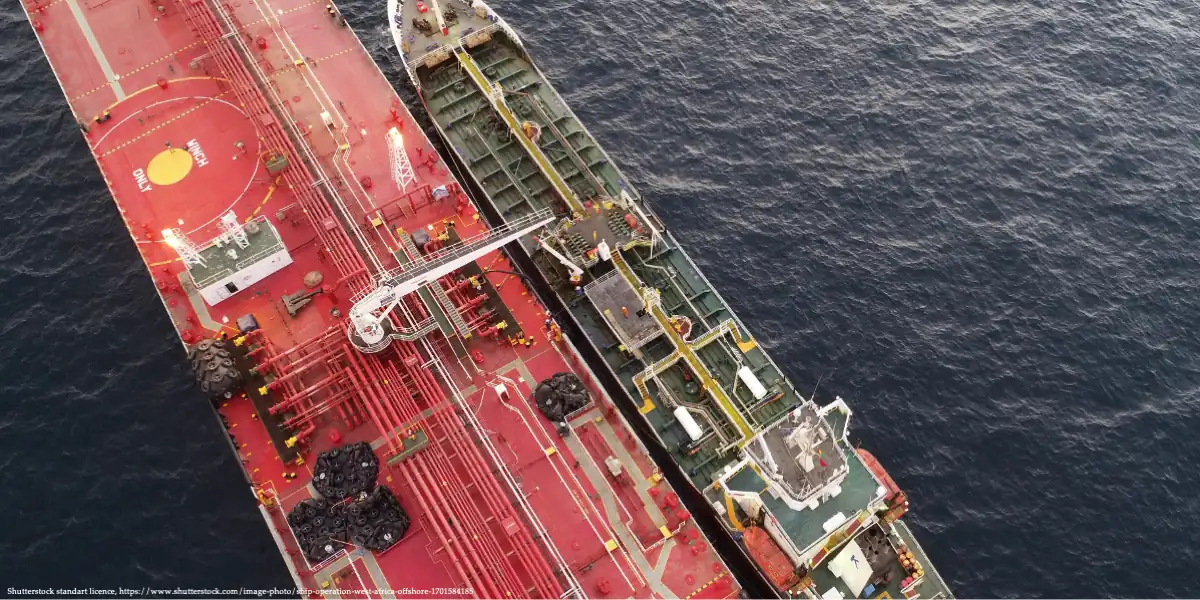
A joint investigation by leading Baltic media outlets, including LRT, 15min, Eesti Ekspress, and Neka Personiga, has revealed that several companies in Lithuania, Latvia, and Estonia continue to supply fuel to Russia’s shadow fleet, despite ongoing Western sanctions. The report found that tankers operated by Fast Bunkering and its affiliates have been refueling vessels suspected of helping Moscow circumvent restrictions and sustain oil exports vital to its war economy.
“Bunkering companies need to conduct thorough due diligence, maintain transparent documentation, and comply with all legal requirements,” said Petras Katinas, senior fellow at the Centre for Research on Energy and Clean Air (CREA).
Petras Katinas emphasized that this includes verifying compliance with G7+ price caps and ensuring that tankers show no shadow fleet characteristics, such as lacking valid insurance, engaging with sanctioned entities, or breaching maritime safety regulations.
The investigation tracked hundreds of refueling operations in Danish and Baltic waters between 2024 and 2025, with several vessels later added to EU, U.S., or UK sanctions lists. Analysts warned that such practices undermine international sanctions enforcement and continue to fund Russia’s war in Ukraine. The report also highlighted Fast Bunkering’s opaque ownership structure and past allegations of sanctions evasion across the region.
To read the full investigation and Petras Katinas’s expert commentary, visit Hirado.hu or LRT’s website. For more expert insights from the Centre for Research on Energy and Clean Air, visit the CREA website.
Further Reading
Energy exports play a crucial role in Russia’s economy and have long served as a source of geopolitical leverage over dependent countries. Sanctions targeting the energy sector aim to reduce state revenues and diminish Russia’s geopolitical influence. Explore the latest research on sanctions against Russia and its energy industry in the Sanctions Portal Evidence Base section.