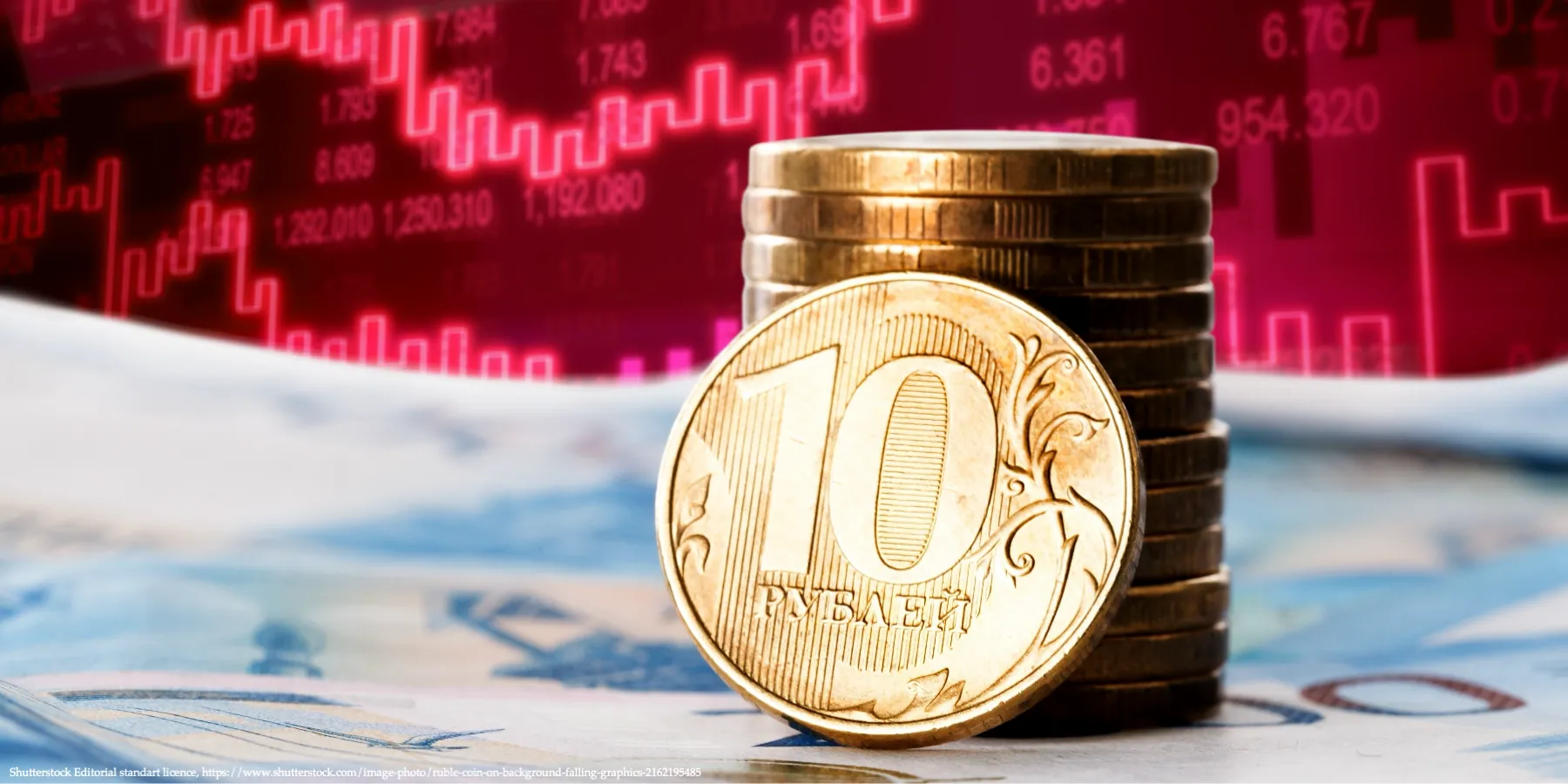
The European Union is preparing its 21st sanctions package against Russia, aiming to intensify economic pressure amid the ongoing war in Ukraine. In a recent article by Lithuania’s national broadcaster LRT, experts examined what additional measures could realistically achieve. The feature explored whether new restrictions can significantly undermine Russia’s war financing and long-term economic stability.
Petras Katinas, Research Fellow in Climate, Energy and Defence within the Energy and Security Programme and the Open Climate Programme at RUSI Europe, offered a measured assessment of the proposed steps. Speaking to LRT, Petras Katinas explained that each sanctions round has gradually expanded restrictions on trade, finance, and energy. However, he cautioned that the impact of new measures depends on timing and market conditions.
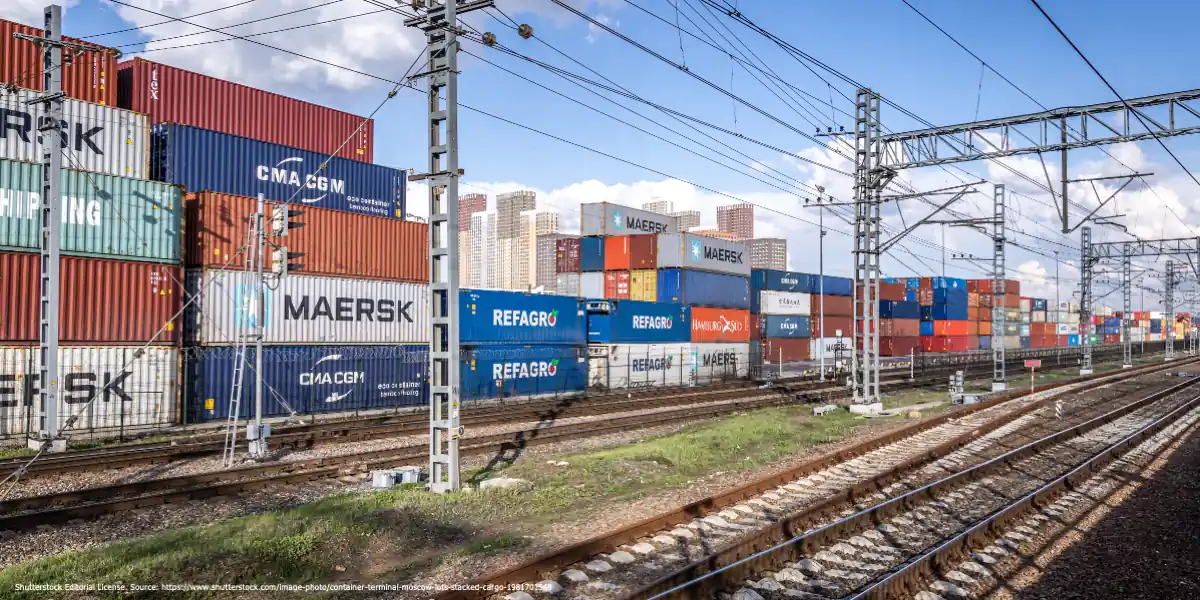
“I would say that a complete ban on the provision of maritime services would be a very strong measure, but for this the gas and oil market must stabilize, and no one knows when that will happen,” said Katinas.
According to Petras Katinas, sanctions are most effective when they close loopholes and strengthen enforcement mechanisms. The LRT article notes that policymakers are considering expanded limits on energy exports, dual-use goods, and financial channels that enable Russia to bypass earlier restrictions. Analysts also discussed the importance of coordination with international partners to prevent circumvention through third countries. While sanctions alone may not immediately halt Russia’s war effort, they shape the broader economic outlook and increase long-term costs for the Kremlin.
The cumulative impact of 21 sanction packages reflects the EU’s sustained commitment to economic pressure. Petras Katinas emphasized that unity among member states remains critical. Without alignment on measures such as maritime service bans, enforcement gaps could weaken overall policy impact. The article concludes that the next sanctions round will test both Europe’s resolve and its ability to balance economic stability with geopolitical objectives.
To read the full interview and Petras Katinas’ expert analysis on the EU’s 21st sanctions package, visit the complete article on LRT’s website.
Explore Sanctions on Russia and Russian Economic Retaliation
For further expert analysis on sanctions and Russia’s economic trajectory, visit the SITE Sanctions Hub. Explore the chronological overview of major sanction packages and Russian countermeasures by Date, Country, and Sector in the Sanctions Timeline.
The Evidence Base section of the SITE Sanctions Hub presents the latest publications, policy reports, and research findings, offering in-depth analysis and regularly updated data.
The Compliance Index provides a structured assessment of how effectively sanctions are implemented and enforced across jurisdictions. It offers comparative insights into compliance trends and policy performance.