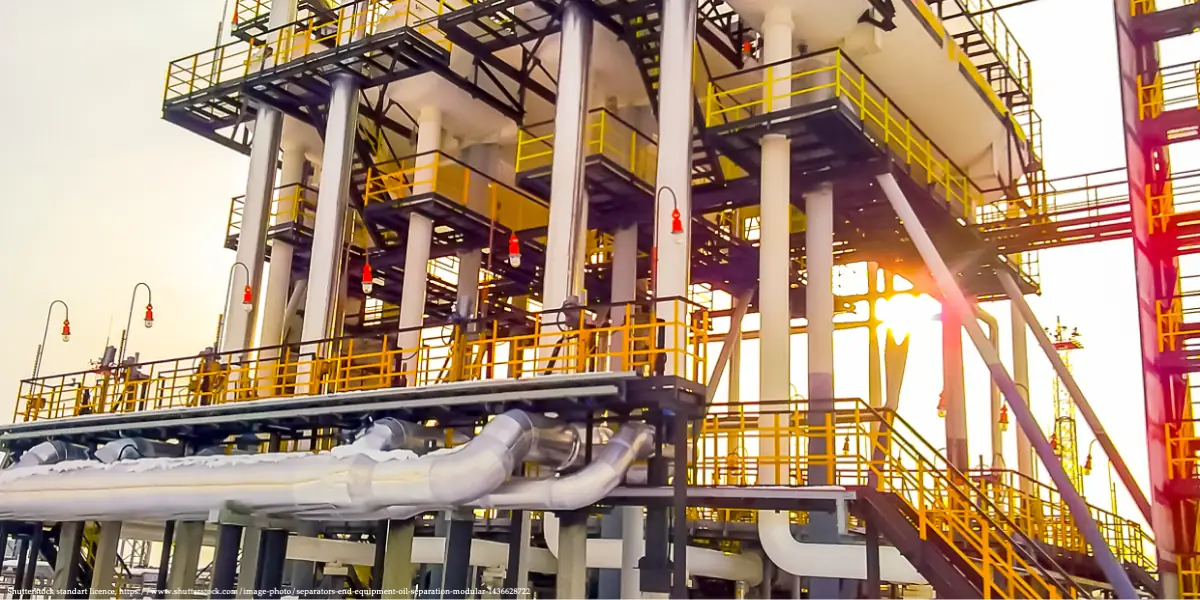
A wave of Ukrainian drone attacks on Russian oil refineries has caused widespread gasoline shortages across the country. These strikes deal a direct blow to Russia’s revenues from its crucial energy sector.
In a feature by Finland’s public broadcaster YLE, experts examined the coordinated attacks and their growing economic impact. At least 14 of Russia’s 38 refineries were damaged, disrupting about 20 percent of national refining capacity. The campaign marks a new phase in Ukraine’s effort to erode Russia’s revenues and weaken its war economy.
“They remind the Russian people that there is a war going on in Ukraine. But it also hits Russian revenues. Russia’s oil and gas revenues are absolutely crucial for financing the offensive war against Ukraine,” said Torbjörn Becker, Director of the Stockholm Institute of Transition Economics.
Torbjörn Becker also highlights how economic pressure has become a key element in Ukraine’s broader defense strategy.
The article also discussed the economic and political fallout within Russia. Gasoline shortages have been recorded in at least 21 regions, forcing authorities to extend export bans and impose rationing. Analysts warned that sustained attacks could force refinery shutdowns, hinder exports, and damage Russia’s reputation as a stable energy supplier. Becker added that the strikes might create ripple effects across global energy markets, amplifying uncertainty.
To explore the full article and Torbjörn Becker’s insights, read the complete report on YLE here. For more expert analysis from the Stockholm Institute of Transition Economics, visit SITE’s webpage.
Further Reading
Reducing Russia’s financial capabilities to wage the unjust war against Ukraine requires a comprehensive approach centered on four key areas.
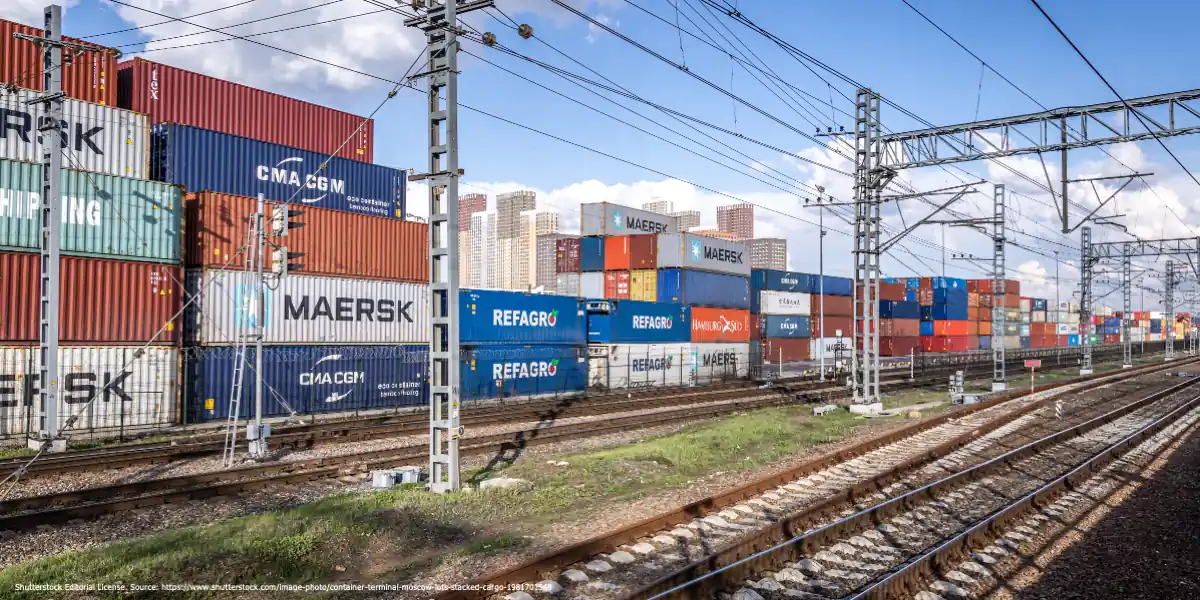
- The foremost priority is limiting energy exports, as these generate major revenues and sustain Russia’s fiscal stability through their deep economic influence.
- The next step is restricting access to critical materials, components, and technologies vital for weapons production, thereby constraining Russia’s military capacity.
- A third layer focuses on broader trade and financial restrictions, designed to reduce efficiency and market access across the economy.
- Finally, sanctions such as individual travel bans and airspace restrictions serve primarily symbolic and normative purposes but also exert meaningful indirect effects by influencing public perception, political behavior, and international reputation.
Explore the latest research on sanctions against Russia in the Sanctions Portal Evidence Base section. Learn about the main sanction packages imposed by Western allies following Russia’s full-scale invasion of Ukraine, as well as Russian countermeasures, by visiting the Timeline of Western Sanctions and Russian Countermeasures.