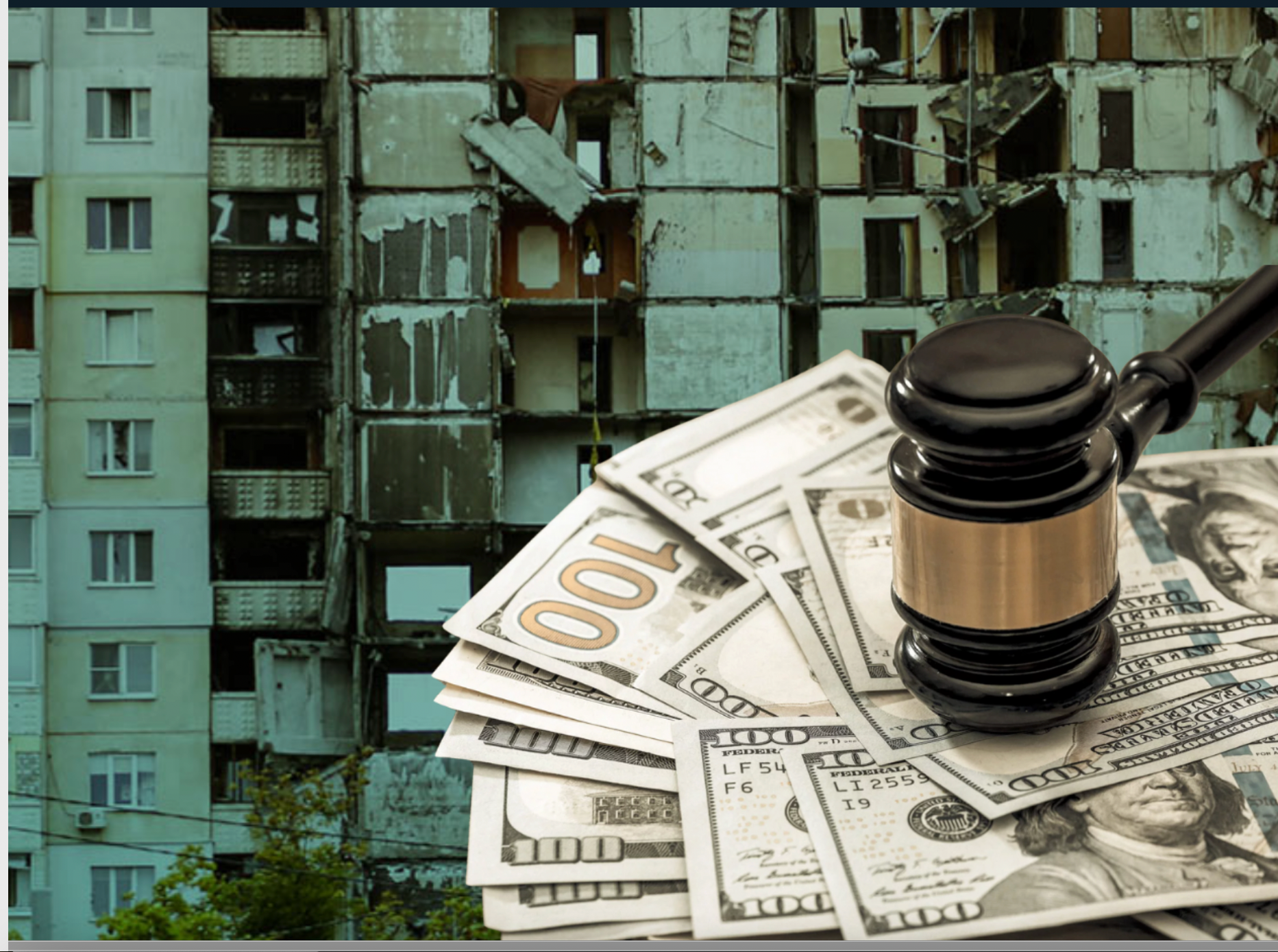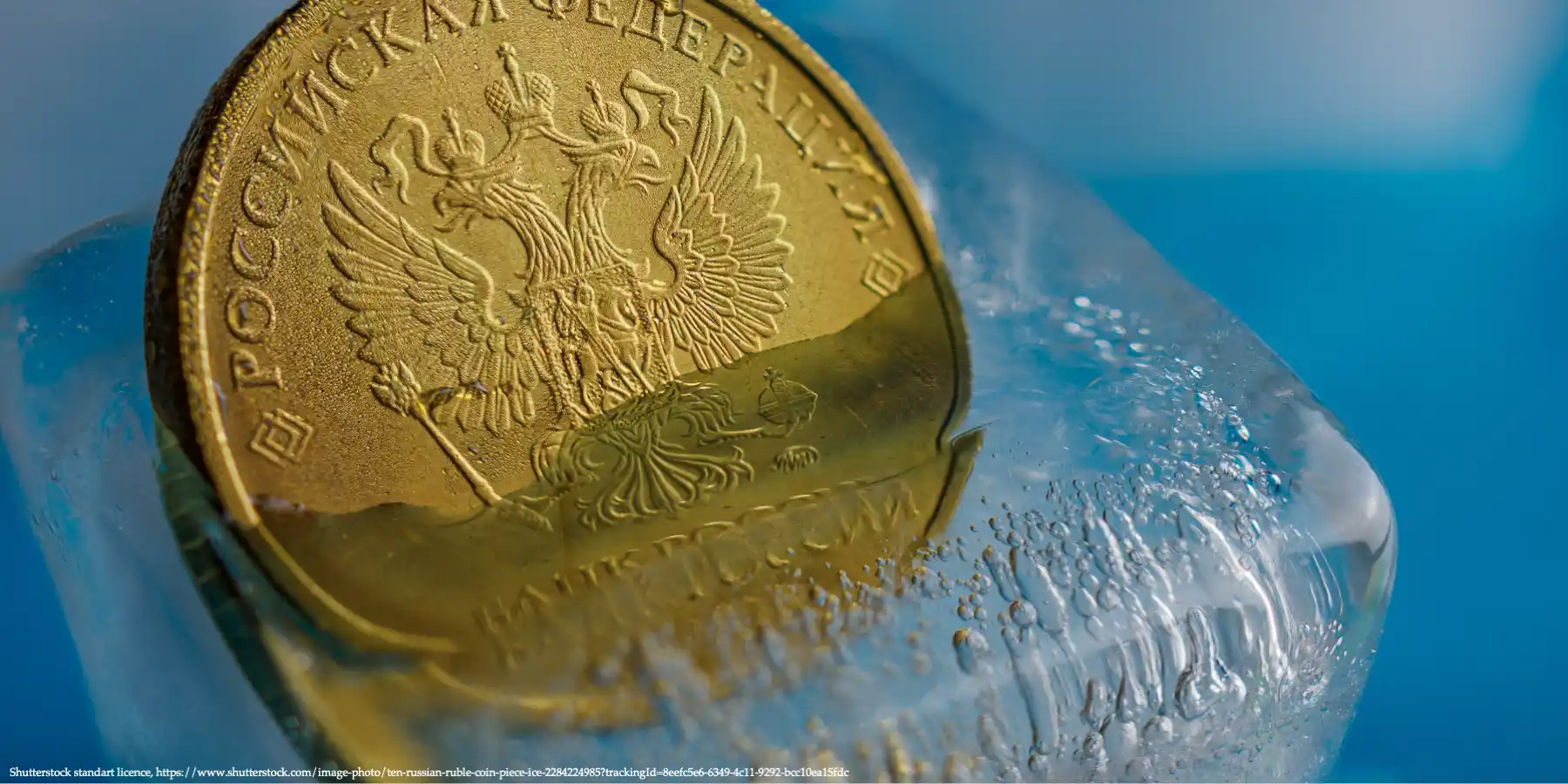
Despite the war in Ukraine, the European Union is looking for ways to unlock frozen Russian state assets. The goal is to increase financial support for Ukraine. In a recent media article, the debate centered on whether these funds could work as an early form of war reparations. This could happen even before any formal legal process ends.
Frozen Russian central bank assets could serve as “a kind of advance on future war reparations.” said Torbjörn Becker, Director of the Stockholm Institute of Transition Economics.
He added that reparations are usually settled after wars end. But Ukraine, however, needs emergency funding now. Torbjörn Becker said the case is unusually direct because the money already exists. It is also under Western control. About $300 billion in Russian assets remain frozen. Most of it is held at Euroclear in Belgium. Becker downplayed concerns about investor confidence. He said this is a consequence of an illegal war of aggression. It is not a model for arbitrary asset seizures.
The article also pointed to past examples. It referenced Iraq’s post–Gulf War reparations to Kuwait. Those payments drew partly on frozen assets and future revenues. Torbjörn Becker noted that war reparations are often hard to collect. They can also become politically charged. Outcomes may depend on regime change and future diplomatic ties.
Read the Full Article
To read the full commentary and explore Torbjörn Becker’s expert analysis, visit the original article here.
Further Reading
Cutting Russia’s revenue requires a coordinated strategy. It should target energy exports, essential materials, and critical technologies. Wider trade, financial, and military restrictions also matter. They can weaken the war effort and reduce global reach.
For deeper insights into how sanctions shape Russia’s economy, visit the Sanctions Portal Evidence Base. To learn more about Western measures and Russia’s responses, explore the Sanctions Timeline.