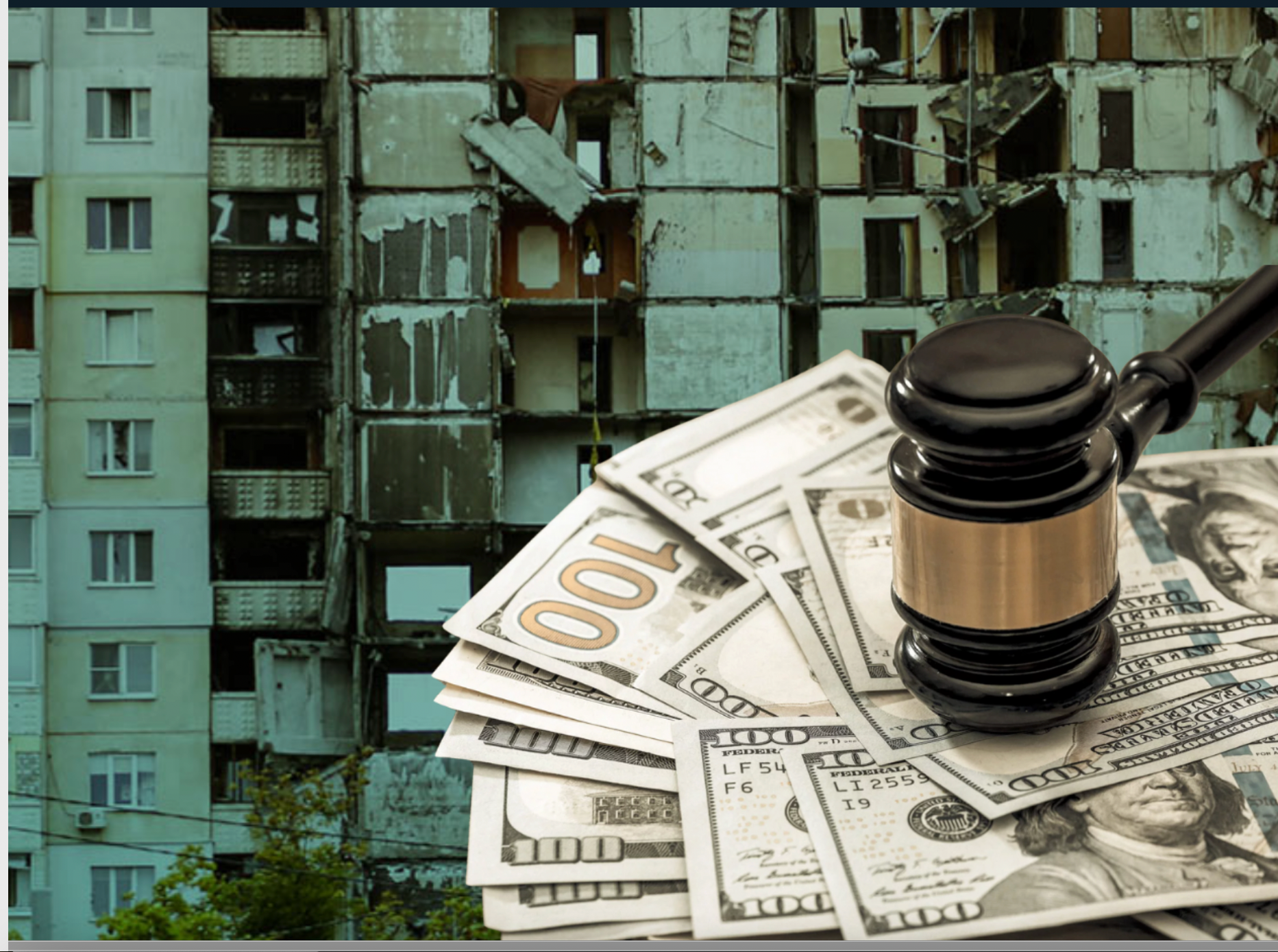
Russia’s budget is under heavy strain, as reported by CNN Prima NEWS and The Kyiv Independent. The country is heading into its seventh year of high deficits, driven by growing war costs and weak financial buffers. The government’s new budget for 2026–2028 aims to project stability, but experts say the numbers hide major risks.
Benjamin Hilgenstock, head of macroeconomic research and strategy at the KSE Institute, questioned the credibility of Russia’s plans.
“The deficit that Russia expects for 2025 is quite significant. It is true that the planned deficit for 2026 is lower, but these numbers are just wishful thinking,” he said. His comment reflects a wider concern that Russia is understating true costs while overestimating its ability to manage the crisis.
The article outlines several pressure points. Moscow lacks access to global financial markets and must rely on costly domestic borrowing. China has also refused to offer government loans. Tax increases on companies and consumers bring in extra revenue, but only cover a small part of the growing costs.
Regional governments face similar limits. Places like St. Petersburg, Samara, Tatarstan, and Bashkortostan have cut recruitment bonuses for volunteer fighters. These cuts show how tight budgets have become across the country. Russia’s arms industry is also struggling. Rising production costs and low profits limit its ability to invest in new capacity.
Experts note that Russia can still sustain a low-intensity war, which relies on drones, missiles, and local offensives. A heavier, faster pace of fighting would require far more money. Some analysts warn that the government may turn to money printing, a risky step linked to past financial crises.
Read the Full Article
To explore the full context and Benjamin Hilgenstock’s insight, read the coverage in CNN Prima NEWS and The Kyiv Independent.
Further Reading
Cutting Russia’s income demands a coordinated strategy that targets energy exports, key materials, and critical technologies. Furthermore, broader trade, financial, and military sanctions continue to weaken its war efforts and global influence.
For deeper insights on how sanctions affect the Russian economy, visit the Sanctions Portal Evidence Base. You can also learn more about Western sanction packages and Russian countermeasures in the Timeline of Western Sanctions and Russian Countermeasures.