A transport ban on Russian oil could hit Russia’s war chest without driving up global oil prices. That’s the key message from a new policy brief by researchers Johan Gars (Beijer Institute), Daniel Spiro (Uppsala University), and Henrik Wachtmeister (Uppsala University, Swedish Institute of International Affairs). They argue the EU can outsmart Russian evasion tactics and restore the power of its sanctions.
Why the Price Cap Failed to Hold
After Russia invaded Ukraine in 2022, the EU hit back with oil sanctions. A big one was the G7 price cap on Russian oil. The idea was to cut Russia’s profits while keeping oil flowing to the world. At first, it worked. Russia’s oil sold for less, but exports stayed strong.
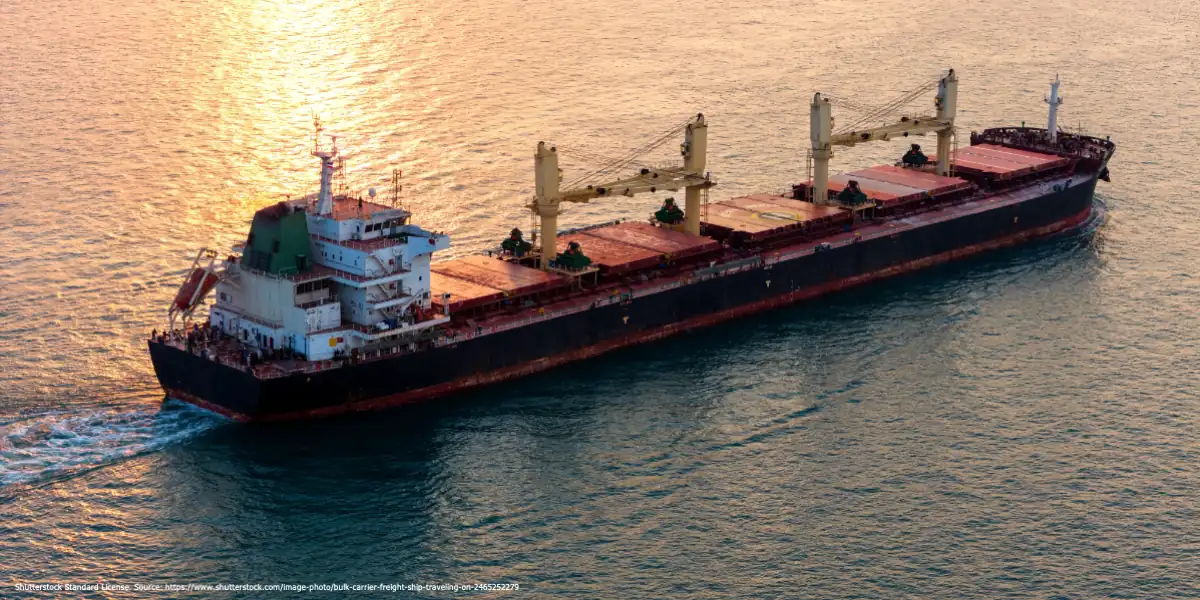
But over time, Russia found loopholes. A “shadow fleet” of tankers outside Western control started moving Russian oil freely. Many used fake documents to dodge the price cap. By late 2025, only 15% of Russian oil tankers used Western insurance, down from nearly all in early 2023.
A New Strategy to Cut Russia’s Oil Profits
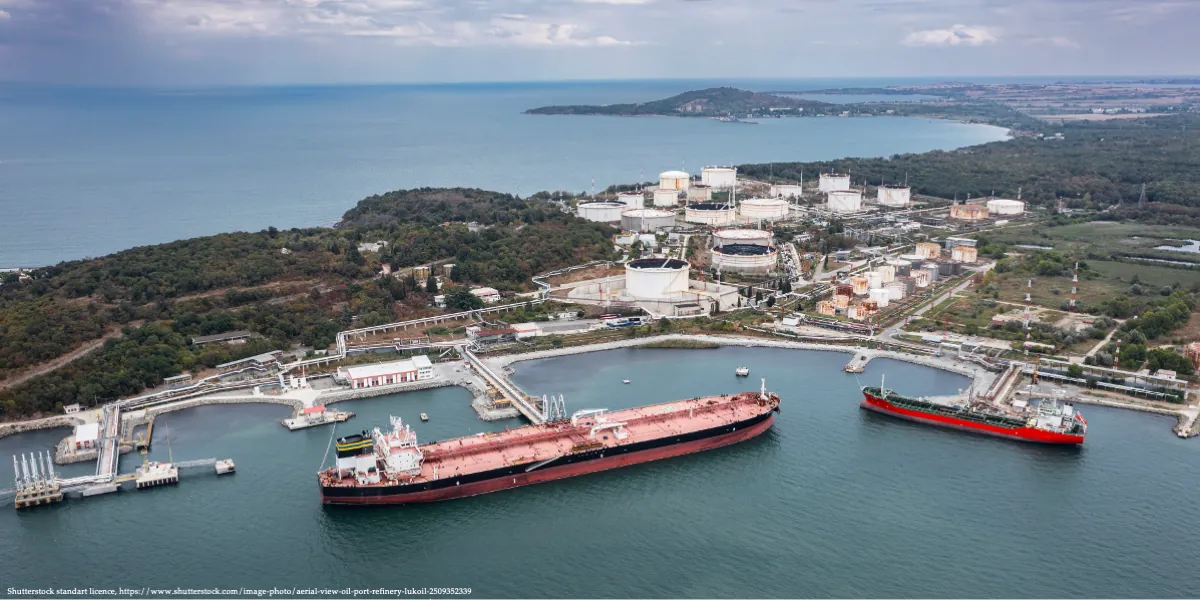
Instead of patching up the price cap, the researchers propose a new tactic: a full transport ban on Russian oil. This means any tanker carrying Russian oil would be barred from EU ports and trade, even if the oil seems compliant on paper. This would make shipowners choose: carry Russian oil or keep access to the EU market.
Key Research Findings
- The price cap has lost its bite. Shadow fleets and paperwork fraud let Russia bypass Western sanctions.
- A transport ban targets the tankers. This makes it harder to cheat, as ships can’t hide their movements.
- Russian oil transport costs would rise. Even a $5 increase per barrel could cut Russia’s GDP by 0.5%.
- Oil prices likely won’t spike. Russia and its buyers still want the oil to flow, avoiding global shocks.
What This Means for the EU and the World
This strategy would hurt Russia’s bottom line while keeping oil supplies stable. It doesn’t need U.S. support to work, thanks to the EU’s control over key ports and sea routes. Still, the plan would work even better if allies like Japan, Canada, and South Korea joined in.
There are some risks, like aging tankers causing environmental harm. But the authors believe the current shadow fleet already poses that threat, so the risk wouldn’t grow much.
Read the Full Policy Brief on the FREE Network’s Website
Read the full report on the FREE Network’s website to explore the complete findings.
Further Reading
Energy exports play a crucial role in Russia’s economy and have long served as a source of geopolitical leverage over dependent countries. Sanctions targeting the energy sector aim to reduce state revenues and diminish Russia’s geopolitical influence. Explore the latest research on sanctions against Russia and its energy industry in the Sanctions Portal Evidence Base section.
Explore the main sanction packages imposed by Western allies after Russia’s full-scale invasion of Ukraine. Review Russian countermeasures, including retaliatory actions and domestic policies to reduce the sanctions’ impact. Visit the Timeline of Western Sanctions and Russian Countermeasures to learn more.