Russia’s economy is beginning to show signs of strain after years of wartime spending and international sanctions. In a recent analysis published by Bloomberg Adria, experts examined whether the country’s economic resilience can last as inflation, labor shortages, and rising interest rates weigh on growth.
Among the experts featured was Daniel Spiro, Associate Professor of Economics at Uppsala University. Daniel Spiro highlighted how Russia’s wartime economic model relies heavily on state spending and the redirection of resources toward military production. While this strategy has supported short-term growth, Daniel Spiro noted that it also creates structural imbalances that can weaken long-term economic stability.
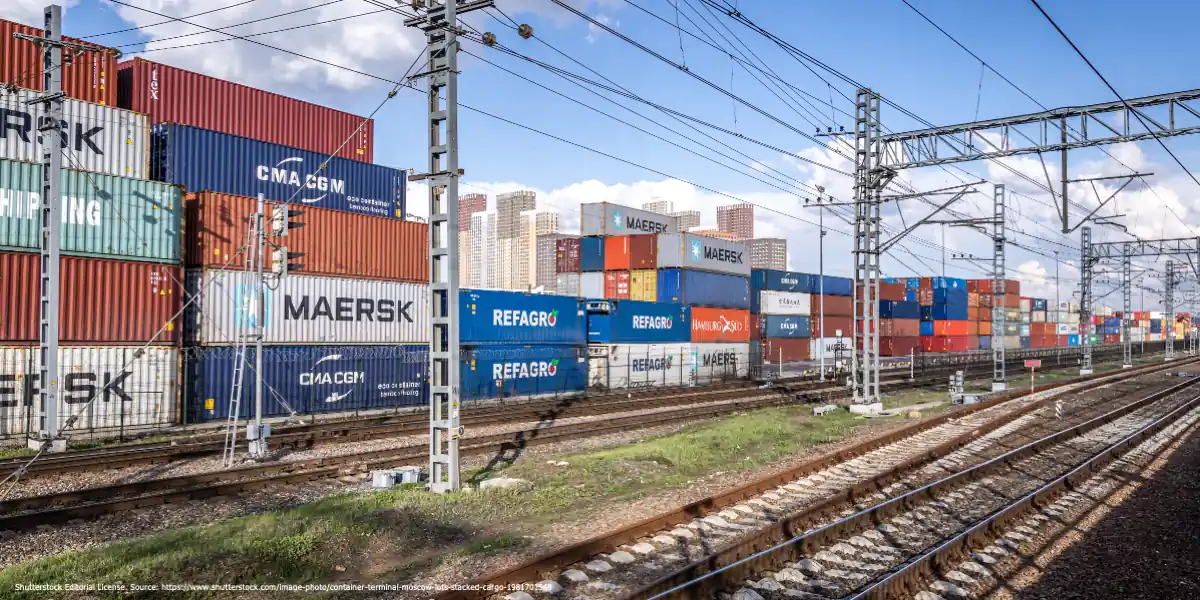
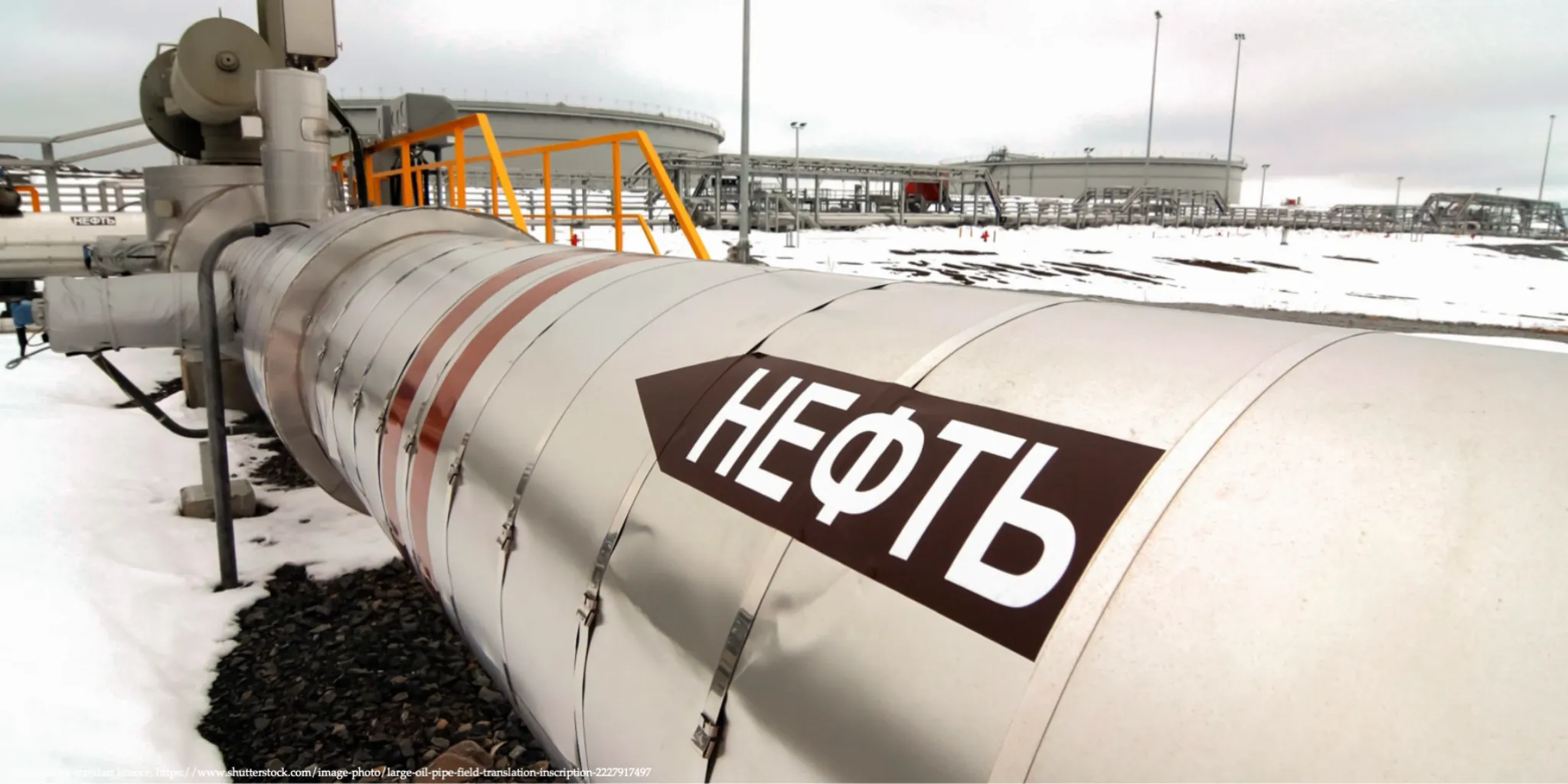
The article explores several pressures facing the Russian economy, including high inflation, tightening monetary policy, and increasing dependence on government-driven demand. Sanctions on energy exports and restrictions on technology imports also continue to reshape Russia’s trade patterns. These challenges may gradually reduce the country’s economic flexibility, even as the government seeks to sustain industrial output linked to the war effort.
In this context, Daniel Spiro emphasized that the current growth pattern may be difficult to maintain over time. A war-driven economic model can boost production in the short term but often leads to inefficiencies and slower development in other sectors.
To explore the full analysis and Daniel Spiro’s commentary, read the complete article in Bloomberg Adria.