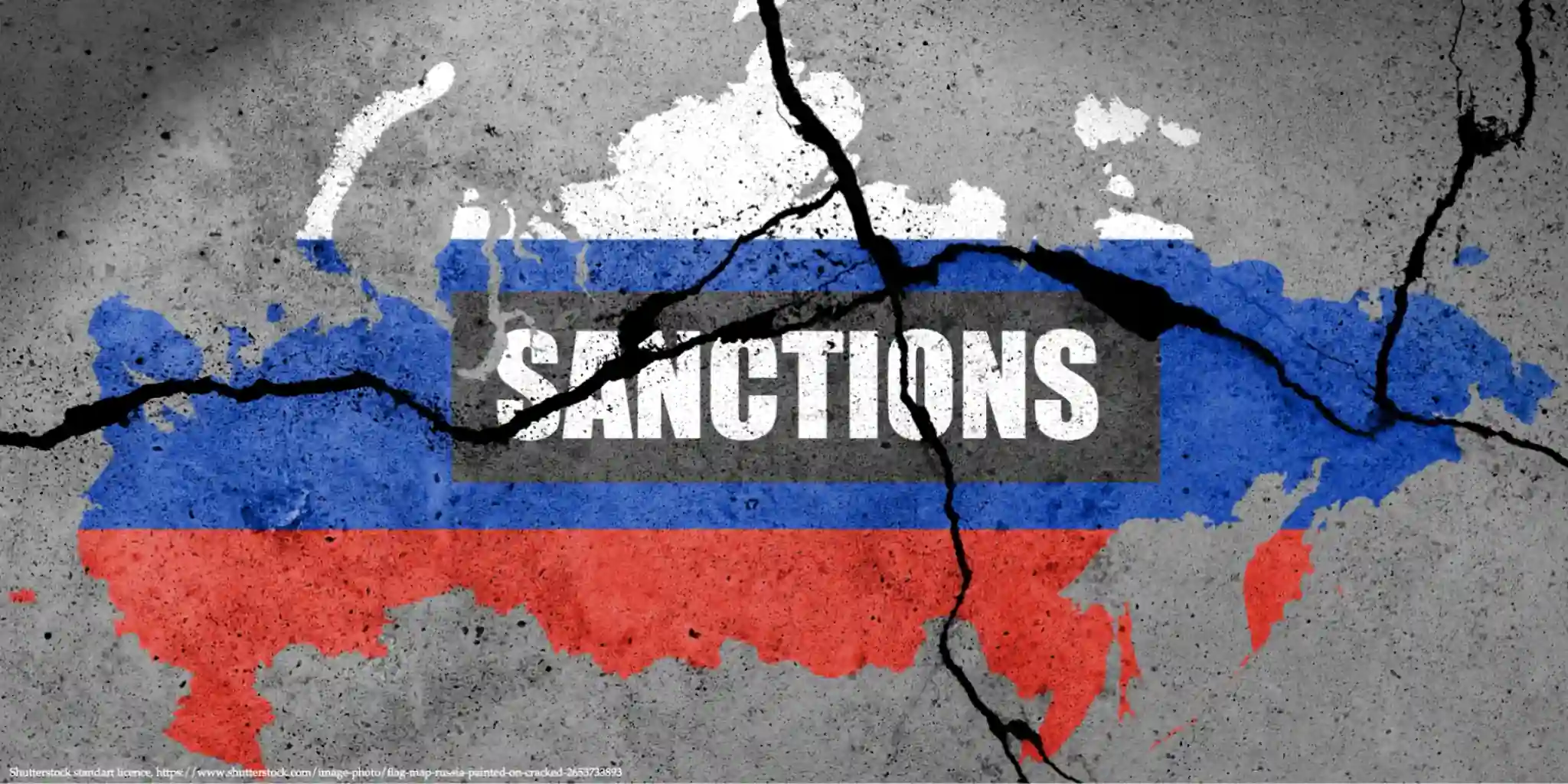
The European Union is preparing a new sanctions package against Russia. However, experts warn that additional measures alone may not significantly weaken Moscow’s war economy. In a recent article by Lithuania’s LRT, analysts examined the EU’s proposed sanctions package and the ongoing challenge of closing loopholes that allow Russia to bypass restrictions.
Among the experts featured in the article is Petras Katinas, Research Fellow at the Royal United Services Institute (RUSI). Katinas stressed the importance of targeting Russia’s energy export logistics. In particular, he pointed to the continued role of Western shipping services in transporting Russian oil.
According to Petras Katinas, banning these vessels from carrying Russian crude and petroleum products would significantly disrupt exports. Nevertheless, he noted that political consensus may be difficult because several EU states have strong shipping industries.
The LRT article also explores the broader challenges facing EU sanctions policy. For example, the proposed measures may blacklist additional Russian banks and restrict trade in metals and chemicals. At the same time, policymakers are trying to limit the operations of Russia’s so-called shadow fleet. Still, enforcement gaps and different priorities among EU members complicate these efforts.
Petras Katinas also emphasized that the sanctions policy must remain flexible. Russia continuously develops new ways to bypass restrictions. Therefore, policymakers must update sanctions tools and close emerging loopholes. As Petras Katinas explained, Russia approaches sanctions evasion creatively, which means the EU will likely need several additional rounds of measures.
To explore the full analysis and Petras Katinas’ commentary, read the complete article in LRT.