News

  • Torbjörn Becker: Iran Conflict Could Strengthen Russia’s War Economy

    Torbjörn Becker: Iran Conflict Could Strengthen Russia’s War Economy

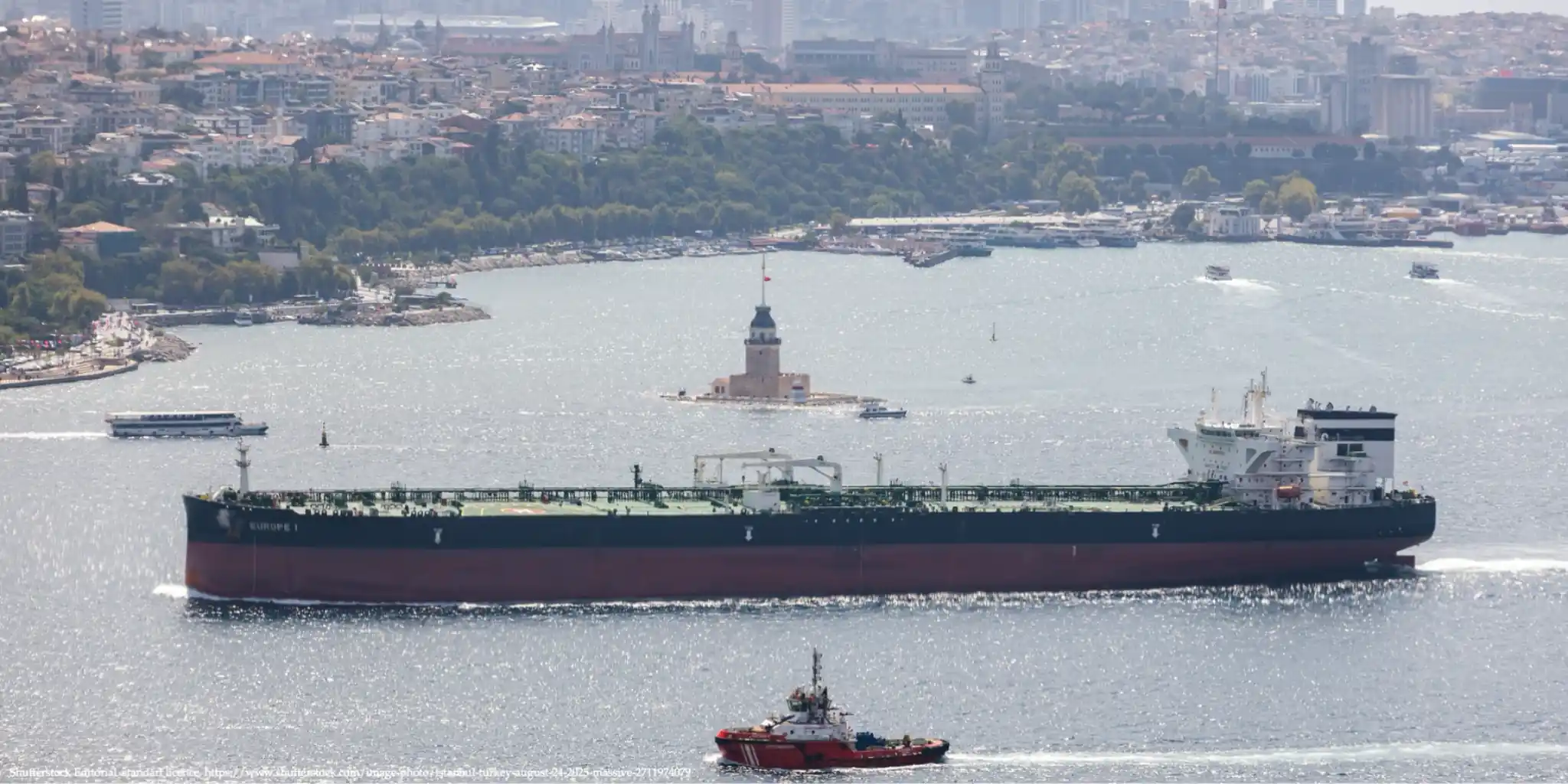
    A recent article in Nyheter24 examines how escalating tensions in the Middle East could indirectly benefit Russia’s war effort in Ukraine. As global attention shifts toward the Iran conflict, analysts warn that geopolitical and economic ripple effects may alter the balance of the war. The coverage highlights expert analysis on how rising energy prices and shifting international priorities could affect Russia’s economic resilience.

    Torbjörn Becker, Director of the Stockholm Institute of Transition Economics (SITE) at the Stockholm School of Economics, provided key insight in the article. Becker noted that higher global oil prices could significantly strengthen Russia’s finances. With oil revenues rising, Moscow may face fewer budget constraints while funding its war effort. According to Becker, the geopolitical distraction also risks weakening international focus on Ukraine at a critical moment. 

    The article also discusses broader strategic implications. As the Middle East conflict intensifies, global military resources and diplomatic attention may be redirected away from Ukraine. Ukrainian officials have warned that critical defense systems are increasingly prioritized elsewhere. Meanwhile, temporary sanctions relief for Russian oil exports and shifting energy markets could further increase Kremlin revenues.

    To explore the full analysis and Torbjörn Becker’s expert commentary, read the original article in Nyheter24.

    Further Reading: Sanctions Timeline and Evidence Base

    Energy exports remain the backbone of Russia’s economy and a major tool of geopolitical leverage. Western sanctions targeting the energy sector aim to reduce state revenues and limit Moscow’s ability to project influence abroad.

    Explore the Sanctions Portal Evidence Base to access the latest research and analysis on energy-related sanctions against Russia. The database brings together expert studies, policy insights, and data on the economic impact of sanctions.

    Review the Timeline of Western Sanctions and Russian Countermeasures to see how sanctions policy has evolved since the start of Russia’s full-scale invasion of Ukraine. The timeline tracks key measures and responses, showing how both sides have adapted over time.
  • Petras Katinas: Iran’s Oil infrastructure at the Center of Energy Security

    Petras Katinas: Iran’s Oil infrastructure at the Center of Energy Security

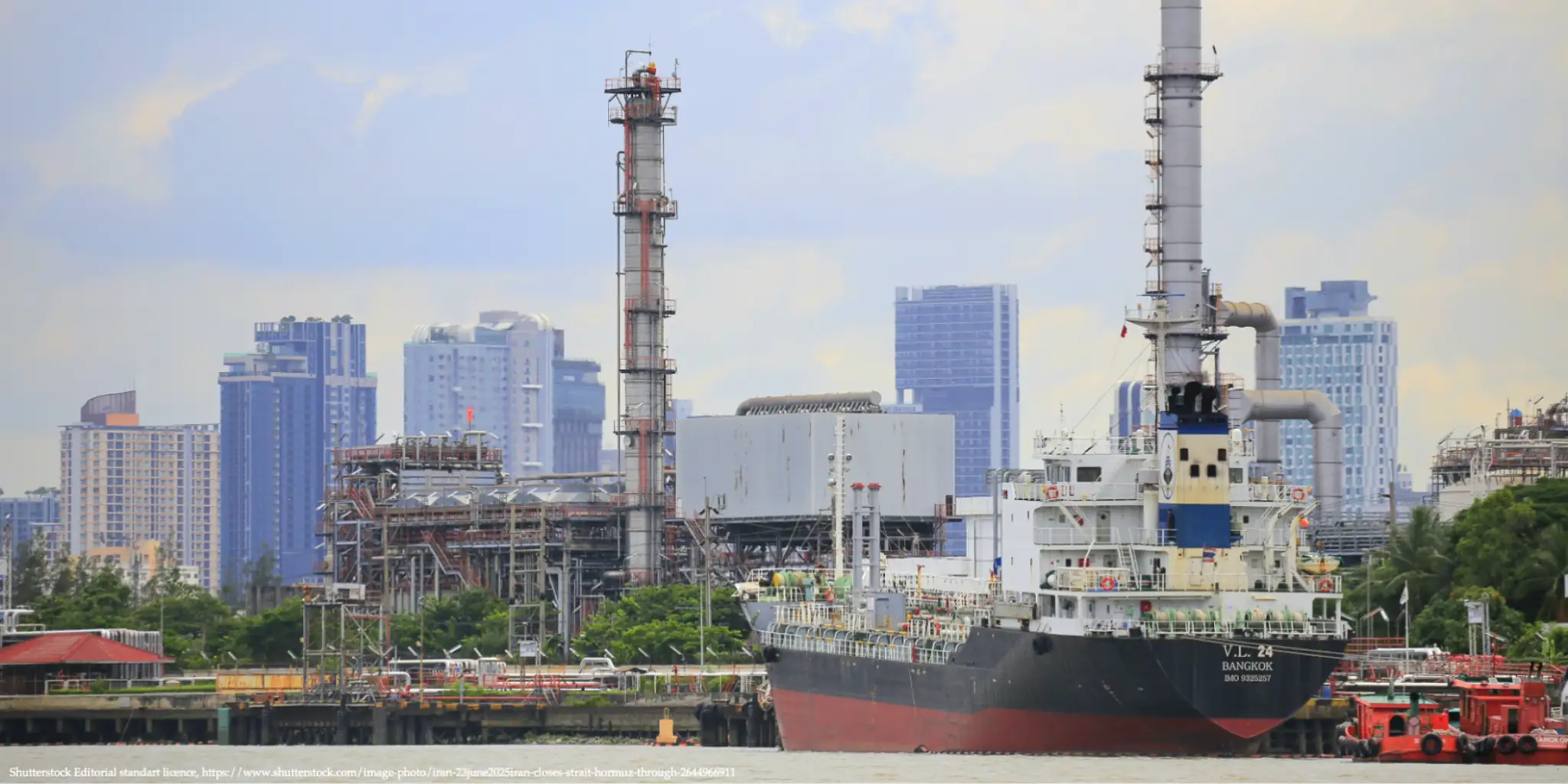
    Iran’s oil infrastructure has come under renewed scrutiny as geopolitical tensions escalate in the Middle East. In a recent CNBC report, analysts examined the strategic significance of Kharg Island, a small but critical hub for Iran’s oil exports. The discussion explored how control over the island could influence regional security dynamics and global energy markets.  

    Petras Katinas, a Research Fellow in Climate, Energy and Defence at RUSI, offered expert analysis on the island’s strategic importance.

    “Seizing the island would cut off Iran’s oil lifeline,” Katinas explained, noting that Kharg Island plays a central role in the country’s ability to export crude oil.

    He added that although current disruptions in the Strait of Hormuz limit exports, control over the island could provide significant leverage in future negotiations involving Iran. 

    The article also examined the broader geopolitical implications of targeting Iran’s energy infrastructure. Kharg Island processes the vast majority of Iran’s crude exports, making it a potential pressure point in any military or diplomatic strategy. However, experts warn that capturing or occupying the island would likely require a ground operation and could trigger regional escalation, particularly given the strategic importance of Gulf energy routes.  

    Petras Katinas’ commentary underscores how energy infrastructure can shape geopolitical leverage during conflicts. His analysis highlights the intersection of energy security and military strategy in the Middle East. To explore the full coverage and Petras Katinas’ insights, read the original article.

  • Maria Perrotta Berlin: The Shadow Fleet Behind Russia’s War Economy

    Maria Perrotta Berlin: The Shadow Fleet Behind Russia’s War Economy

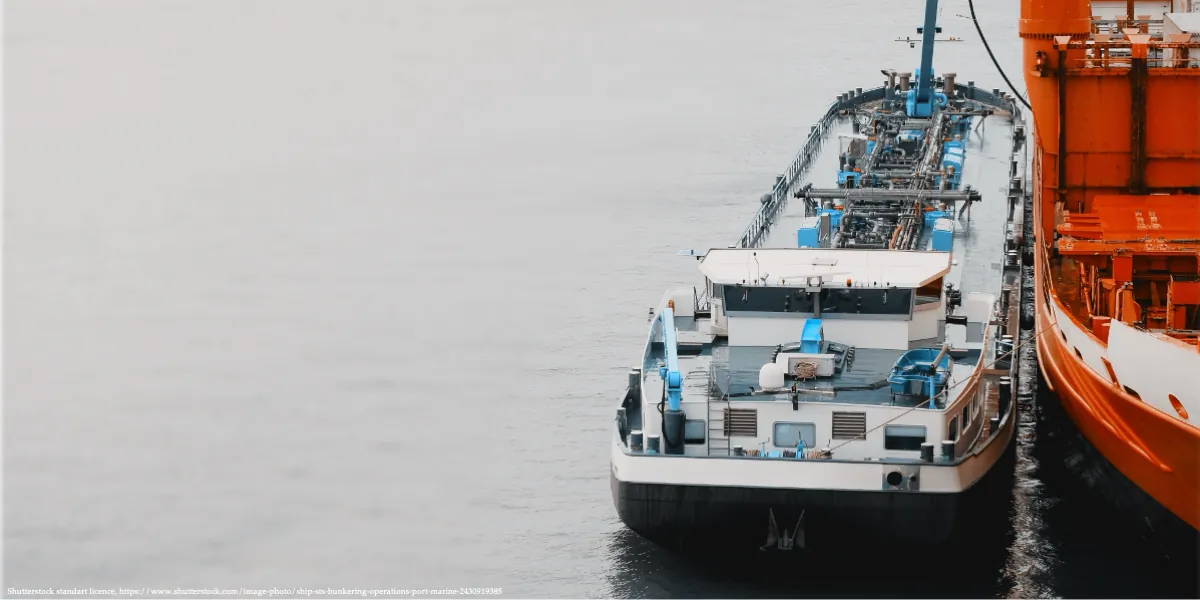
    Russia’s ability to finance its war in Ukraine remains closely tied to energy exports. In a recent episode of the Utblick podcast by the Utrikespolitiska institutet (UI), experts explored how Russia relies on a so-called “shadow fleet” to transport oil and bypass Western sanctions. The discussion examined how hundreds of aging, hard-to-trace tankers operate under false flags and opaque ownership structures to move Russian oil across global shipping routes, including through the Baltic Sea.

    Maria Perrotta Berlin, Assistant Professor at the Stockholm Institute of Transition Economics (SITE) at the Stockholm School of Economics, contributed expert analysis on the economic role of this shadow fleet. In the conversation, Maria Perrotta Berlin explained how these vessels enable Russia to maintain oil exports despite price caps and sanctions imposed after the full-scale invasion of Ukraine.

    Her insights highlight how energy revenues remain a central pillar of Russia’s war financing and why enforcement gaps allow sanctions to be circumvented. The episode also explored why stopping the shadow fleet is so difficult. Ships often operate under changing ownership, flags of convenience, and limited insurance oversight, making them difficult to track and regulate. The discussion further addressed the risks posed by older tankers operating in sensitive waters, including the Baltic Sea, where environmental and security concerns intersect with sanctions enforcement.

    To explore the full discussion and Maria Perrotta Berlin’s insights on Russia’s shadow fleet, listen to the complete episode on the Utrikespolitiska institutet’s Utblick podcast.

    Further Reading: Sanctions Timeline and Evidence Base

    Energy exports remain the backbone of Russia’s economy and a major tool of geopolitical leverage. Western sanctions targeting the energy sector aim to reduce state revenues and limit Moscow’s ability to project influence abroad. Explore the Sanctions Portal Evidence Base to access the latest research and analysis on energy-related sanctions against Russia. The database brings together expert studies, policy insights, and data on the economic impact of sanctions. Review the Timeline of Western Sanctions and Russian Countermeasures to see how sanctions policy has evolved since the start of Russia’s full-scale invasion of Ukraine. The timeline tracks key measures and responses, showing how both sides have adapted over time.
  • Daniel Spiro: Western Sanctions Are Reshaping Global Oil Markets

    Daniel Spiro: Western Sanctions Are Reshaping Global Oil Markets

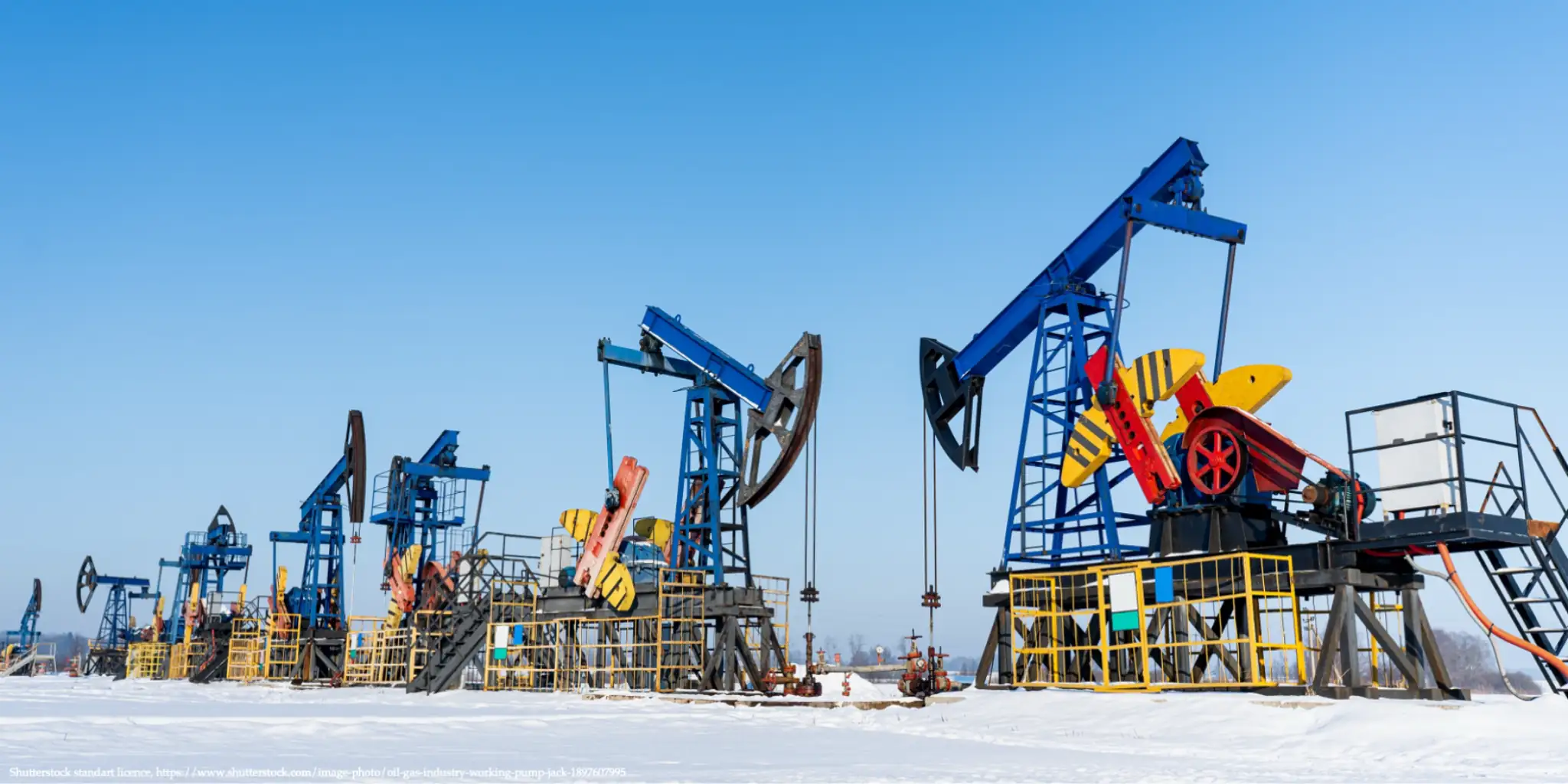
    Western sanctions on Russia’s energy sector are transforming global oil trade and weakening Moscow’s leverage in energy markets. In a recent article by Oriental News, experts examined how escalating U.S. and EU sanctions on companies such as Lukoil and Rosneft are reshaping international energy flows and forcing Russia to adjust its export strategies. The article highlights how these measures are influencing both the structure of Russia’s oil industry and the broader global energy landscape.

    Daniel Spiro, associate professor of economics at Uppsala University, offered expert analysis on how sanctions are affecting Russia’s oil buyers. Spiro noted that recent restrictions may be shifting demand patterns among major importers.

    “For maybe the first time, it seems to have affected India’s and China’s willingness to buy Russian oil,” Daniel Spiro explained.

    According to his assessment, India has reduced purchase volumes while China has demanded deeper discounts—an indication that sanctions are beginning to influence market behavior among key buyers.

    The Oriental News Nigeria article also explores the broader implications for the global energy system. As sanctions tighten, Russian energy firms face rising financing costs, restrictions on technology access, and pressure to divest international assets. These constraints are gradually reshaping investment decisions, supply chains, and long-term energy partnerships. Analysts suggest that the cumulative impact of sanctions could erode Russia’s traditional role as a dominant energy supplier while accelerating shifts in global oil trade patterns.

    Further Reading: U.S. Sanctions on Rosneft and Lukoil

    U.S. sanctions on two major Russian oil companies, Rosneft and Lukoil, took effect on November 21, 2025. The measures target not only the companies themselves but also their counterparties worldwide through secondary sanctions. These restrictions carry important implications for global energy markets and Russia’s fiscal outlook.

    The latest FREE Network policy brief analyzes the sanctions’ immediate impact on the firms and Russia’s state budget. It also explores the tensions they expose within Europe’s energy policy and the broader lessons for designing the next generation of EU sanctions tools. Read the full FREE Network policy brief to learn more.

    Sanctions Timeline and Evidence Base

    Energy exports remain the backbone of Russia’s economy and a major tool of geopolitical leverage. Western sanctions targeting the energy sector aim to reduce state revenues and limit Moscow’s ability to project influence abroad.

    Explore the Sanctions Portal Evidence Base to access the latest research and analysis on energy-related sanctions against Russia. The database brings together expert studies, policy insights, and data on the economic impact of sanctions.

    Review the Timeline of Western Sanctions and Russian Countermeasures to see how sanctions policy has evolved since the start of Russia’s full-scale invasion of Ukraine. The timeline tracks key measures and responses, showing how both sides have adapted over time.
  • Henrik Wachtmeister: Hormuz Crisis Signals Worst-Case Energy Scenario

    Henrik Wachtmeister: Hormuz Crisis Signals Worst-Case Energy Scenario

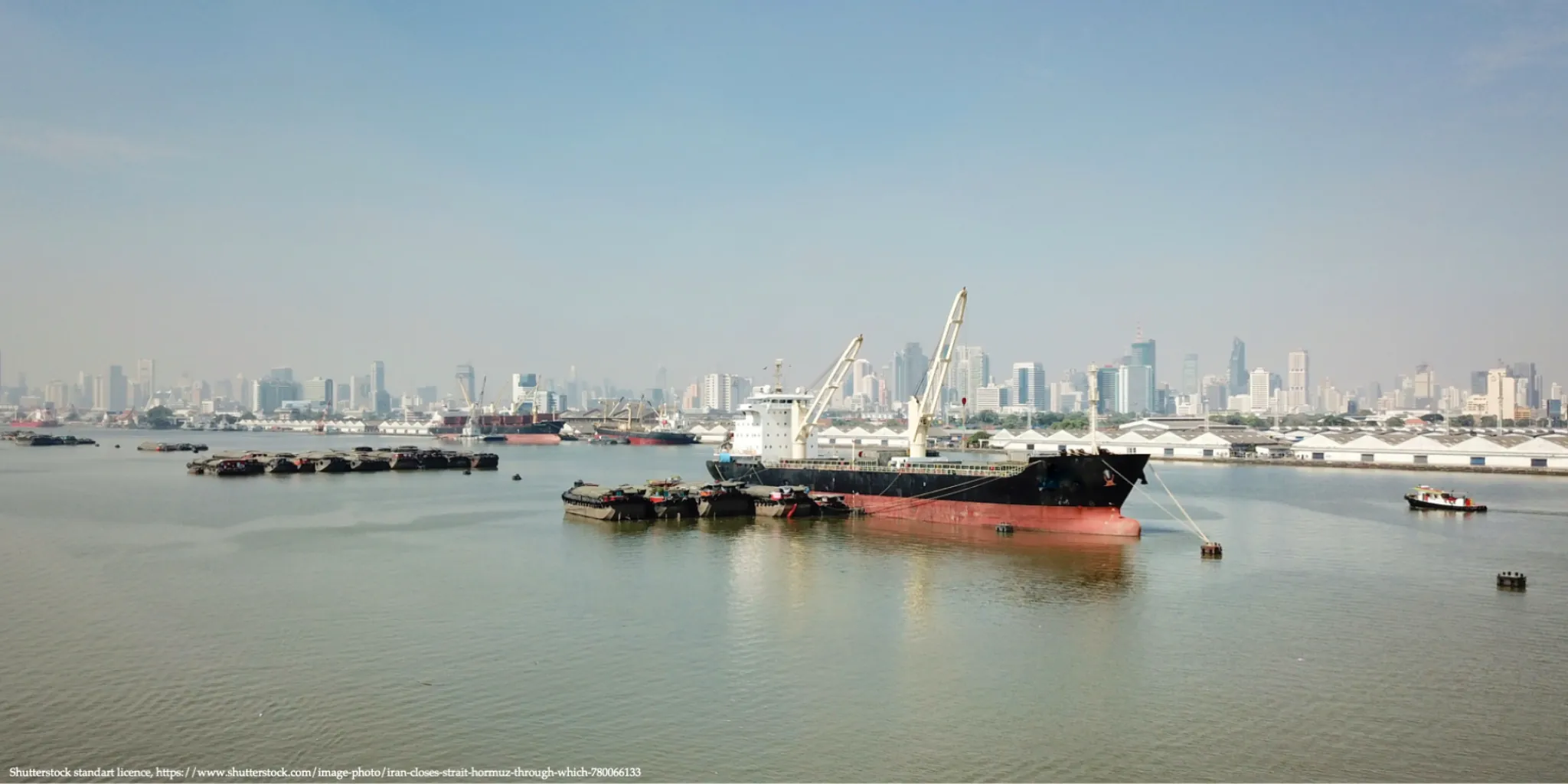
    Rising tensions in the Middle East are sending shockwaves through global energy markets. In a recent article by the Swedish business outlet Affärsvärlden, analysts examined how the escalating crisis in the Strait of Hormuz could disrupt oil supplies and reshape energy markets worldwide. The narrow waterway carries roughly ~20% of the world’s oil supply, making any disruption a major risk for global energy security.

    In the article, energy researcher Henrik Wachtmeister, Research Fellow at the Swedish National China Centre, shared his opinion on the unfolding situation. Wachtmeister warned that the current tensions represent a potential worst-case scenario for the oil market if shipping through the strait is halted for a prolonged period. While oil prices have so far risen only moderately, he noted that market movements may underestimate the seriousness of the geopolitical risks and the potential for larger disruptions. 

    The Affärsvärlden report also explored broader implications for global markets and energy security. Hundreds of vessels have reportedly anchored near the strait amid uncertainty. It highlights the vulnerability of the global energy system to geopolitical chokepoints. Analysts note that prolonged disruption could sharply increase oil prices and trigger wider economic effects, including inflationary pressure and supply shortages across major importing regions. 

    To explore the full analysis and Henrik Wachtmeister’s commentary on the Strait of Hormuz crisis and global energy markets, read the complete article in Affärsvärlden.

  • Petras Katinas: Russia’s Fossil Fuel Revenues Drop 27% Since War

    Petras Katinas: Russia’s Fossil Fuel Revenues Drop 27% Since War

    Russia continues to earn billions from fossil fuel exports despite Western sanctions. In a recent Euronews article, analysts reviewed new data showing that Moscow’s income from oil, coal, and gas has declined since the start of the full-scale invasion of Ukraine. The report highlights how sanctions have reduced revenues but have not fully stopped Russia’s global energy trade.

    According to the analysis cited in Euronews, Russia earned €193 billion from fossil fuel exports in the fourth year of the invasion, about 27% less than before the war. Petras Katinas, analyst at the Centre for Research on Energy and Clean Air (CREA), explained that the structure of Russian energy exports has shifted significantly. “In the fourth year of the full-scale invasion, Russia’s role in the European gas market has reversed,” Petras Katinas noted, pointing out that pipeline deliveries have largely stopped while liquefied natural gas (LNG) has become a key channel for exports to Europe. 

    The Euronews article also examined how Russia continues to maintain export volumes despite sanctions. According to the CREA report, Moscow relies on discounted oil sales and a growing “shadow fleet” of tankers to bypass restrictions. Meanwhile, China, India, and Turkey now account for the overwhelming majority of Russian oil exports, reshaping global energy trade flows. 

    To read the full article featuring Petras Katinas and his analysis of Russia’s fossil fuel revenues, visit the original coverage in Euronews

  • Torbjörn Becker on Sweden’s Record Support for Ukraine

    Torbjörn Becker on Sweden’s Record Support for Ukraine

    Sweden has announced a historic financial commitment to Ukraine, pledging €10.7 billion in aid. A recent article published by FREE Network examines how Sweden’s support strengthens Ukraine’s military and economic resilience. The article places the pledge in the broader context of Europe’s long-term support for Ukraine after Russia’s full-scale invasion.

    Torbjörn Becker, Director of the Stockholm Institute of Transition Economics (SITE), contributed expert analysis to the discussion. Torbjörn Becker emphasized that economic endurance will shape the outcome of the war. Russia’s economy remains larger than Ukraine’s. However, the combined economic strength of the European Union and the United States far exceeds Russia’s. Torbjörn Becker noted that steady political commitment could sustain Ukraine and gradually shift the strategic balance.

    Torbjörn Becker also highlighted weaknesses in Russia’s war economy. Russia still depends heavily on oil revenues. Lower oil prices or tighter sanctions could therefore reduce government income. Russia also relies on China for key technology components. This dependence creates long-term economic risks. In addition, high interest rates, estimated at around 20–25 percent, continue to strain Russian banks and businesses.

    Torbjörn Becker also discussed Ukraine’s fiscal pressures. The country now spends more than half of its budget on defense. At the same time, roughly $300 billion in frozen Russian central bank reserves remain abroad. Torbjörn Becker noted that these funds could support Ukraine’s reconstruction if governments reach a political agreement.

    To explore the full analysis and Torbjörn Becker’s insights on Sweden’s support for Ukraine, read the complete article.

    Further Reading

    In his recent policy brief, Anders Olofsgård, Associate Professor and Deputy Director of SITE, examines the legal and economic arguments in the ongoing debate over whether Russian state assets frozen in Western democracies should be confiscated and redirected to support Ukraine’s resilience and reconstruction. The brief also outlines concrete proposals for how such measures could be implemented in compliance with international law while limiting potential economic risks. To learn more, read the full policy brief on the FREE Network website.

  • Henrik Wachtmeister Warns EU Oil Sanctions Could Escalate Tensions

    Henrik Wachtmeister Warns EU Oil Sanctions Could Escalate Tensions

    Efforts by the European Union to reduce Russia’s oil revenues are drawing renewed attention as policymakers consider tougher measures against Moscow’s energy sector. In a recent article in Dagens Industri, experts discussed the potential consequences of replacing the current price cap with broader restrictions on maritime services tied to Russian oil exports. The discussion highlights the growing geopolitical stakes as the EU seeks to further limit a key source of funding for Russia’s war economy.

    Henrik Wachtmeister, energy security expert affiliated with the Swedish Institute of International Affairs, cautioned that stronger enforcement could also raise geopolitical risks. According to Wachtmeister, tightening restrictions on shipping services and targeting Russia’s so-called “shadow fleet” of oil tankers may increase tensions between Russia and Western countries. He noted that any attempt to significantly disrupt these transport networks could provoke countermeasures and heighten the risk of escalation in the broader conflict.

    The article also explores how the EU is considering new approaches to reduce Moscow’s oil income, which remains a central pillar of the Russian state budget. Sanctions since 2022 have targeted energy exports through import bans, price caps, and restrictions on shipping and financial services linked to oil trade. These policies aim to reduce Russia’s ability to finance its war while avoiding major disruptions to global oil markets.

    To explore the full analysis and Henrik Wachtmeister’s commentary on the risks surrounding EU oil sanctions and Russian energy revenues, read the complete article in Dagens Industri.

  • KSE Institute: Russia’s Oil Export Structure Is Rapidly Changing

    KSE Institute: Russia’s Oil Export Structure Is Rapidly Changing

    Russia’s oil export structure is undergoing a major transformation, according to the latest Russian Oil Tracker published by the KSE Institute. The analysis highlights how sanctions and market adjustments are reshaping Russia’s crude export network. The report finds that traditional oil giants are losing dominance while new trading companies increasingly handle shipments.  

    According to the KSE Institute’s Russian Oil Tracker, the share of Russia’s largest producers in export flows has dropped sharply. Rosneft and Lukoil’s combined share of Russian crude exports fell from about 51% in 2023–2024 to just 19% by December 2025, indicating a significant restructuring of export chains.  The shift suggests that sanctions and market pressures are pushing Russian oil exports toward smaller intermediaries and newly established trading firms. Emerging traders such as Redwood Global Supply, Vistula Delta, Ethos Energy, and Rosewood Resources now account for a growing portion of shipments.

    The report also highlights broader changes in global demand and logistics. Russian seaborne oil exports rose by about 15% month-over-month in December, helping offset lower global oil prices.  At the same time, import patterns are shifting. India’s purchases of Russian crude have declined sharply in early 2026, while China has increased its intake.  The analysis further points to the continued importance of the “shadow fleet,” with hundreds of aging tankers transporting Russian oil outside traditional Western maritime services. 

    To explore the full findings from the KSE Institute’s Russian Oil Tracker and detailed analysis of Russia’s evolving export network, read the complete publication.

    Further Reading

    The U.S. sanctions on two Russian oil giants, Rosneft and Lukoil, came into effect on November 21, 2025. These sanctions affect not only the companies themselves but also their counterparties worldwide through the secondary sanctions clause. For the European Union, these sanctions highlight a central trade-off: how to exert real pressure on Russia without fracturing political alignment among EU Member States.

    To learn more about the sanctions, read the FREE Network policy brief, which examines their consequences, including the immediate impact on the firms and Russia’s budget, the new tensions exposed in Europe’s energy policy, and the broader lessons for the next generation of EU sanctions tools.

    Review the Timeline of Western Sanctions and Russian Countermeasures to track how both sides have adapted since the start of Russia’s full-scale invasion of Ukraine.

  • Petras Katinas: Russian Fossil Fuel Revenues Reach New Low

    Petras Katinas: Russian Fossil Fuel Revenues Reach New Low

    Russia’s fossil fuel export revenues fell to their lowest levels since the start of the full-scale invasion of Ukraine. In a recent analysis published by the Centre for Research on Energy and Clean Air (CREA), experts examined how sanctions, market shifts, and global demand continue to reshape Russia’s energy trade. The January 2026 monthly report highlights both declining revenues and persistent gaps in the sanctions framework.

    Petras Katinas, energy analyst and co-author of the report, provided key insight into these developments. Katinas explained that while sanctions have reduced Russia’s fossil fuel earnings overall, loopholes still allow the country to maintain significant export flows. The analysis points to the growing use of “shadow fleet” tankers and intermediary companies, which help circumvent price caps and restrictions targeting Russian oil exports.

    The report also outlines notable market trends. Russia’s daily fossil fuel export revenues declined by 3% month-on-month in January 2026, reaching approximately €464 million per day — the lowest level recorded since the invasion began. However, some trade patterns shifted. China remained the largest buyer of Russian fossil fuels, while the European Union continued to import significant volumes of Russian liquefied natural gas. The study also observed a sharp increase in France’s imports of Russian LNG during the same period. These developments highlight how global energy demand and uneven sanctions enforcement continue to influence Russia’s export strategy.

    To explore the full analysis and Petras Katinas’s insights on Russian fossil fuel exports and sanctions, read the complete report from the Centre for Research on Energy and Clean Air.

    Further Reading: Sanctions, Energy, and Russia’s War Economy

    Energy exports remain the backbone of Russia’s economy and a key instrument of geopolitical leverage. Sanctions targeting this sector aim to reduce state revenues and limit Moscow’s influence abroad.

    Visit the Sanctions Portal Evidence Base to access the latest research on energy-related sanctions against Russia.

    Review the Timeline of Western Sanctions and Russian Countermeasures to track how both sides have adapted since the start of Russia’s full-scale invasion of Ukraine.