News

  • Anders Olofsgård on Russia’s Economic Balancing Act

    Anders Olofsgård on Russia’s Economic Balancing Act

    Russia’s economy is facing renewed pressure as inflation, weak growth, budget deficits, and banking risks challenge Moscow’s war economy. In a recent article in Svenska Dagbladet, journalist Birgitta Forsberg examined how Russian Central Bank Governor Elvira Nabiullina is trying to stabilize the economy amid growing concerns about financial stress. The article notes that higher oil prices have offered temporary relief, but deeper weaknesses remain.

    Anders Olofsgård, Deputy Director at the Stockholm Institute of Transition Economics (SITE) and Associate Professor at the Stockholm School of Economics, provided expert insight into Russia’s economic outlook. He explained that President Vladimir Putin views macroeconomic crises as politically dangerous for the regime. Anders Olofsgård also highlighted how Russia shifted from conservative fiscal policy before 2014 to large-scale wartime spending after the full-scale invasion of Ukraine.

    The article also explores the difficult trade-offs facing Russia’s central bank. Nabiullina has used high interest rates, currency management, and reserve tools to contain instability. Yet Russia’s growth is now close to zero or negative, according to Anders Olofsgård’s assessment in the article. While the military-industrial sector continues to receive support, many parts of the economy face weaker demand, higher costs, and tighter financial conditions.

    The wider discussion focuses on whether Russia can avoid a sharper financial crisis. Svenska Dagbladet reports that vulnerable banks, forced lending to defense-linked sectors, and pressure on public finances could increase systemic risks. At the same time, continued oil exports, even at discounted prices, help sustain state revenues. This creates a fragile balance in which Russia’s economy may weaken without immediately stopping the Kremlin’s war effort.

    To explore the full analysis and Anders Olofsgård’s commentary, read the complete article in Svenska Dagbladet.

    Further Reading: Report on Russia’s Wartime Economy

    For more on Russia’s economic outlook and the impact of sanctions, explore SITE’s report, Financing the Russian War Economy.” This in-depth report provides expert analysis of Russia’s fiscal pressures, wartime financing strategies, and long-term growth risks under sanctions. It expands on the themes highlighted by Torbjörn Becker and offers valuable insights into the sustainability of Russia’s wartime economy.

    For further expert analysis on sanctions, energy flows, and economic pressure, visit the portal’s recent publications in the Evidence Base. Learn more about sanctions against Russia and Russian economic retaliation by visiting the Sanctions Timeline.
  • Benjamin Hilgenstock on Russia’s Kazakh Oil Transit Threat

    Benjamin Hilgenstock on Russia’s Kazakh Oil Transit Threat

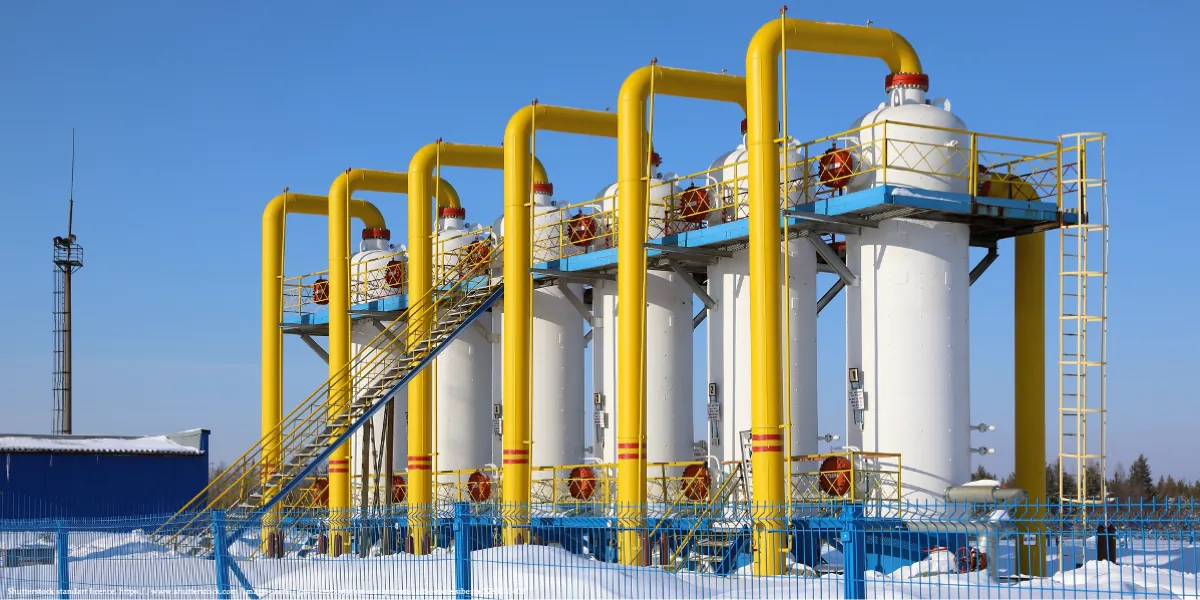
    Russia’s reported move to block Kazakh oil shipments to Germany has renewed concerns about Europe’s energy security. In a recent DW article, the outlet examined Moscow’s plan to halt flows through the Druzhba pipeline from May 1, 2026. The article focused on the PCK refinery in Schwedt, which supplies much of Berlin and the surrounding region with fuel.

    Benjamin Hilgenstock, Senior Economist at the KSE Institute at the Kyiv School of Economics, provided expert analysis on the wider policy impact. He warned that Russia will retain the ability to threaten European energy security as long as imports from, or through, Russia continue. Hilgenstock emphasized that Germany and the European Union should complete their exit from Russian fossil fuels without further delays.

    The article also explained why the Druzhba route remains strategically sensitive. Since 2022, Germany has increased imports of Kazakh crude to replace Russian oil at the Schwedt refinery. However, those supplies still travel across Russian territory. A full halt would not end Germany’s fuel supply, according to Germany’s economy ministry, but it could force the refinery to operate at reduced capacity. The article also placed the issue in a wider energy context, noting that Europe continues to face supply pressure amid global oil market volatility.

    To explore the full reporting and Benjamin Hilgenstock’s commentary, read the complete article in DW.

  • Torbjörn Becker: EU Ukraine Loan Offsets Russia’s Oil Gains

    Torbjörn Becker: EU Ukraine Loan Offsets Russia’s Oil Gains

    The EU loan for Ukraine will play a crucial role in supporting the country’s defense and public finances. In a recent article by Sweden Herald, economists examined how the newly approved EU aid package strengthens Ukraine as Russia benefits from rising oil revenues. The article highlights Torbjörn Becker and his assessment of Ukraine’s economic outlook during a critical phase of the war.

    Torbjörn Becker, Director of the Stockholm Institute of Transition Economics (SITE), described the EU measure as essential. He said the loan gives Ukraine a reasonable chance to manage state finances while continuing to defend itself. Becker also noted that the package improves Ukraine’s position against Russia, especially as oil prices have lifted Moscow’s revenues.

    The article explains that the support, worth nearly one trillion Swedish kronor, had been delayed by a Hungarian veto. According to Sweden Herald, two-thirds of the funding will go toward heavy weapons and military equipment. The remaining third will help cover a large part of Ukraine’s state budget this year and next. Becker emphasized that Ukraine will still need international support for years, given the scale of war damage and uncertainty over future reparations.

    The discussion also focused on the political nature of the package. EU countries describe the funding as a loan, but Becker argued that the favorable terms make repayment unlikely in the foreseeable future. He also warned that, without this support, the economic balance of power would have shifted more strongly toward Russia because of higher oil income. To explore the full analysis and Torbjörn Becker’s commentary, read the complete article in Sweden Herald.

    Further Reading: Sanctions Against Russia And The Wider Policy Impact

    For further context on the EU loan for Ukraine, Russia sanctions, and the wider policy impact, explore the SITE online portal, Sanctions on Russia & Russian Economic Retaliation.

    The portal collects expert analysis, data, and research for journalists, researchers, and policymakers. Learn more through the Sanctions Timeline, which tracks sanction packages and Russian countermeasures by date, country, and sector. Explore new publications in the Evidence Base. Follow the latest media commentary from Torbjörn Becker and the team of experts in Media Highlights.

  • Petras Katinas: Oil Prices Are Boosting Russia’s Revenues

    Petras Katinas: Oil Prices Are Boosting Russia’s Revenues

    Rising oil prices are giving Moscow a new financial advantage despite Western sanctions. In a recent article published by Archivo Prisma, based on reporting from Foreign Policy, experts examined how the U.S.-Iran conflict has pushed global energy prices higher and increased Russian oil revenues. The article highlights how this shift could strengthen Russia’s ability to finance its war economy.

    Petras Katinas, former expert at the Centre for Research on Energy and Clean Air and now a non-resident researcher at the Kyiv School of Economics, warned that Russia could earn even more in April.

    “In April 2026, Russia will earn more than in March,” Katinas said, noting that higher oil prices may continue to benefit Moscow.

    His comments underline how Russian oil revenues remain sensitive to global price shocks and sanctions enforcement.

    The article also discussed new data from CREA showing that Russia’s fossil fuel export revenues reached €713 million per day in March 2026, the highest level in two years. CREA reported a 52 percent monthly increase in fossil fuel export revenues, while seaborne crude export revenues rose by 115 percent. The analysis also noted that Russia’s tax revenues from crude could reach up to €7.4 billion for March.

    The wider discussion focused on the political and economic effects of higher energy prices. Ukrainian strikes have disrupted Russian oil infrastructure, including Baltic Sea ports. However, the article argues that the revenue impact has been offset by higher global prices and continued Russian exports to major buyers such as China and India. It also points to the role of sanctions relief and market uncertainty in supporting Russia’s wartime finances.

    To explore the full analysis and Petras Katinas’s commentary on Russian oil revenues, read the complete article on Foreign Policy.

    Further Reading: Sanctions on Russia & Russian Economic Retaliation

    To learn more about sanctions and their effects on Russia, visit the Sanctions Hub for research, data, and expert analysis on sanctions against Russia. Explore the Sanctions Timeline for a chronological overview of Western sanctions and Russian countermeasures by date, country, and sector. Visit the Evidence Base for recent publications and research reports on energy, finance, trade, and military production. For the latest expert commentary, see Media Highlights, featuring insights from Petras Katinas and other specialists on Russian oil revenues, sanctions enforcement, and the policy impact of energy markets.

  • Torbjörn Becker: Russia’s War Economy Is Under Increasing Pressure

    Torbjörn Becker: Russia’s War Economy Is Under Increasing Pressure

    Russia’s war economy is under growing strain, yet the Kremlin may keep the war effort at the center of policy. In a recent Dagens Nyheter article, experts assessed why economic stress may not change Vladimir Putin’s course in Ukraine. The article examined Russia’s economic pressures as sanctions, defense costs, and weaker revenues reshape the outlook. It also asked whether those pressures can influence decisions in Moscow.

    Torbjörn Becker, Director of the Stockholm Institute of Transition Economics (SITE), offered the article’s key economic insight. Becker said Putin appears willing to deprioritize many other areas to keep the war going. His comments suggest that Russia’s war economy can remain politically useful, even as it becomes less sustainable. For Becker, the policy impact depends on how long the Kremlin can redirect resources toward defense.

    The article also highlighted concerns raised by Thomas Nilsson, head of Sweden’s Military Intelligence and Security Service. Nilsson questioned whether Putin receives a clear picture of Russia’s economic conditions. That concern matters in a system where bad news can be filtered before reaching top decision-makers. The wider discussion addressed inflation, currency pressure, defense spending, and weaker energy revenues. These pressures can erode living standards while still leaving fiscal room for continued military priorities. Taken together, the analysis points to a difficult policy dilemma for Western governments. Economic pressure may weaken Russia’s capacity over time, but it may not quickly change Kremlin behavior.

    To explore the full analysis and Torbjörn Becker’s commentary, read the complete article in Dagens Nyheter.

    Further Reading: Report on Russia’s Wartime Economy

    For more on Russia’s economic outlook and the impact of sanctions, explore SITE’s report, Financing the Russian War Economy.” This in-depth report provides expert analysis of Russia’s fiscal pressures, wartime financing strategies, and long-term growth risks under sanctions. It expands on the themes highlighted by Torbjörn Becker and offers valuable insights into the sustainability of Russia’s wartime economy.

    For further expert analysis on sanctions, energy flows, and economic pressure, visit the portal’s recent publications in the Evidence Base. Learn more about sanctions against Russia and Russian economic retaliation by visiting the Sanctions Timeline.
  • Petras Katinas: Iran Oil Keeps Moving Under Blockade

    Petras Katinas: Iran Oil Keeps Moving Under Blockade

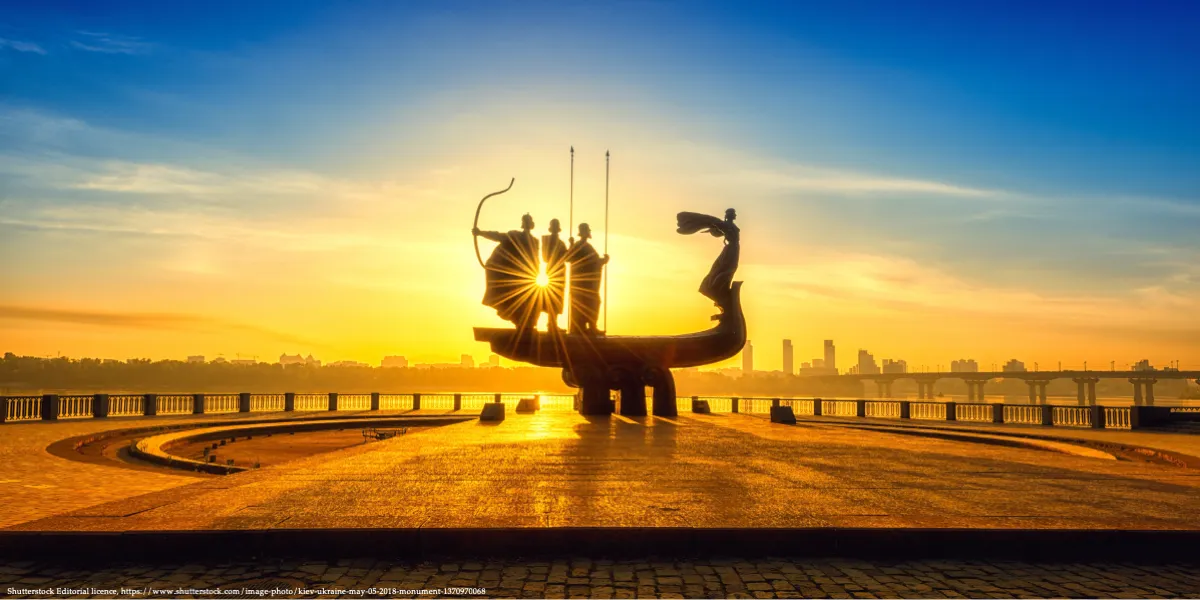
    A new Washington Post visual investigation examines Iranian tanker activity during the U.S. naval blockade near the Strait of Hormuz. The article features expert analysis from Petras Katinas on how Iran may keep oil moving, even under severe maritime pressure. Using satellite imagery and ship-tracking data, the report shows how tankers continued loading crude and fuel products at key Iranian ports.  

    The article highlights the strategic role of Kharg Island, a major hub for Iranian crude exports. According to The Washington Post, three Iranian tankers loaded a combined 5 million barrels of crude there. Petras Katinas, Research Fellow in Climate, Energy and Defence at the Royal United Services Institute, explained that tankers can also serve as floating storage. He noted that this helps Iran keep oil moving through its system and avoid costly shutdowns.  

    The wider investigation also discusses U.S. enforcement measures and the risks facing vessels linked to Iranian ports. U.S. officials said destroyers were tracking ships inside and beyond the blockade area. The report also notes that 19 ships had turned back by Friday morning rather than challenge the blockade. These developments show how maritime restrictions can reshape oil logistics, energy security, and regional policy calculations.  

    The article places the Strait of Hormuz at the center of global energy concerns. Iran announced that it was reopening the waterway, while President Donald Trump said the blockade would remain in place until a broader deal with Tehran was complete. For policymakers, the episode shows how sanctions, blockades, and shipping controls can affect both state revenue and global energy markets.  

    To explore the full analysis and Petras Katinas’ commentary, read the complete article in The Washington Post.  

    Further Reading: Sanctions Portal

    For further expert analysis on sanctions, energy flows, and economic pressure, visit the portal’s recent publications in the Evidence Base. Learn more about sanctions against Russia and Russian economic retaliation by visiting the Sanctions Timeline, which tracks measures by date, country, and sector. See the latest media commentary from Petras Katinas and other experts in Media Highlights.

    Policy Paper: the Hormuz Blockade

    The most recent policy paper published on the FREE NETWORK presents calculations and modeling of how oil producers and consumers in selected countries may be affected by the de facto blockade of the Strait of Hormuz. The authors study two scenarios:

    • one where strategic inventories cushion the effects
    • and one where inventories have run out.

    Russia profits substantially, equivalent to 6-11% of GDP, driven by higher global oil prices and a potential reduction in the sanctions-induced discount on Russian oil. Net oil importers lose, most substantially India, to some extent China, and to a lesser extent Europe. Within Europe, most countries lose, with the exception of Norway and possibly Estonia. Gulf countries generally lose since they cannot export their oil. Surprisingly, Saudi Arabia can make a net profit by earning high prices for oil redirected to its western ports.

  • Torbjörn Becker on Russia’s Wartime Finances

    Torbjörn Becker on Russia’s Wartime Finances

    As Russia’s war in Ukraine continues to strain public finances, new efforts to secure funding are emerging. In a recent article published by Dagens.se, analysts examined how the Kremlin is seeking alternative revenue streams as military spending drains the state budget. The piece highlights growing fiscal pressure and the shifting strategies used to sustain wartime expenditures.

    Torbjörn Becker, Director of the Stockholm Institute of Transition Economics (SITE), offered expert insight into Russia’s evolving financial approach. He explained that the government is increasingly turning to less conventional sources of income to cover rising costs. Becker noted that these measures reflect both the resilience and the underlying weaknesses of Russia’s economic model under prolonged conflict and sanctions pressure.

    The article also explores broader economic implications, including the sustainability of Russia’s fiscal policy and the potential long-term consequences of reallocating resources. It discusses how domestic industries, taxation strategies, and state-controlled sectors may play a larger role in funding the war. At the same time, concerns remain about inflation, investment decline, and structural imbalances within the economy.

    To read the full analysis and Torbjörn Becker’s expert commentary on Russia’s wartime finances, visit the original article on Dagens.se.

    Further Reading: SITE Report on Russia’s Wartime Economy

    For further reading on Russia’s economic outlook and sanctions impact, explore the SITE’ report “Financing the Russian War Economy“.

    This in-depth report provides expert analysis on Russia’s fiscal pressures, wartime financing strategies, and long-term growth risks under sanctions. The report expands on themes highlighted by Torbjörn Becker and offers valuable insight into the sustainability of Russia’s economy.

  • Torbjörn Becker: EU Gas Imports Shift to Russian LNG

    Torbjörn Becker: EU Gas Imports Shift to Russian LNG

    EU imports of Russian liquefied natural gas (LNG) rose sharply in early 2026. In a recent EFN article, experts examined how Middle East instability is reshaping global energy flows and increasing Europe’s reliance on Russian gas.

    Torbjörn Becker, Director of the Stockholm Institute of Transition Economics (SITE) at the Stockholm School of Economics, told EFN that “the balance has shifted to Russia’s advantage.” He warned that Europe must weigh energy needs against the money flowing into Russia’s state budget.

    Becker argued that Europe should treat Russian gas purchases as an emergency measure. He also linked the issue to Ukraine’s financing needs. In his view, frozen Russian assets should be directed to Ukraine more quickly and without new political veto points.

    The article also discussed Yamal LNG, global energy prices, and Hungary’s opposition to using frozen Russian assets for Ukraine. To explore the full analysis and Torbjörn Becker’s insights, read the complete article in EFN. For more expert analysis from SITE, visit Insights.

    Further Reading on Sanctions against Russia

    Reducing Russia’s ability to finance its war against Ukraine requires a comprehensive sanctions strategy built on four key pillars.

    • First, limiting energy exports remains the top priority. Oil and gas revenues are central to Russia’s fiscal stability and continue to fund its war effort.
    • Second, restricting access to critical materials, components, and advanced technologies can disrupt weapons production and weaken military capacity.
    • Third, broader trade and financial sanctions reduce efficiency across the Russian economy and limit access to global markets.
    • Finally, targeted measures such as travel bans and airspace restrictions serve symbolic and political purposes, while also shaping public perception and increasing international pressure on the Kremlin.

    Explore the latest research on Russia sanctions in the Sanctions Portal Evidence Base. For a detailed overview of Western sanctions and Russia’s countermeasures since the full-scale invasion of Ukraine, visit the Timeline of Western Sanctions and Russian Countermeasures.

    Further Analysis: Seizing Russian State Assets

    For additional expert analysis, see the policy brief “Seizing Russian State Assets,” which examines legal and economic options for mobilizing frozen Russian reserves to support Ukraine’s recovery and defense.

    The policy brief argues that mobilizing frozen Russian sovereign assets could provide a significant and timely source of funding for Ukraine, but it must be done within a clear legal and institutional framework.

    Author Anders Olofsgård, Associate Professor at the Stockholm Institute of Transition Economics (SITE), highlights that while asset seizure raises complex questions under international law, there are credible pathways to transfer or leverage these funds without undermining financial stability.

  • Petras Katinas on Russia’s Shift to LNG Exports

    Petras Katinas on Russia’s Shift to LNG Exports

    Russia’s role in the LNG market has shifted significantly since its full-scale invasion of Ukraine, a topic highlighted in recent analysis by Petras Katinas. In a recent article, the German Chamber of Commerce Abroad reported that Russia continues to generate billions through energy exports, despite sanctions and reduced pipeline flows.

    Petras Katinas, analyst at CREA, highlighted this major shift in Russia’s export strategy.

    “In the fourth year of the full-scale invasion, Russia’s role in the European gas market had reversed: most pipeline deliveries ended with the shutdown of Ukrainian transit, making LNG Moscow’s main route into the EU,” Petras Katinas said.

    The article also examined how Russian energy revenues remain tied to European demand. It raised questions about sanctions enforcement, energy security, and the EU’s continued exposure to Russian liquefied natural gas.

    To explore the full report and Petras Katinas’s commentary, read the complete article on Yahoo.

    Further Reading

    Energy exports remain a cornerstone of Russia’s economy and a key source of geopolitical leverage. Sanctions targeting the energy sector are designed to curb state revenues and weaken Moscow’s global influence. For deeper insight, explore the latest research on Russia sanctions and the energy market in the Sanctions Portal’s Evidence Base section.

  • Torbjörn Becker: Russia Continues to Profit Amid War

    Torbjörn Becker: Russia Continues to Profit Amid War

    In a recent TV segment on SVT’s Utrikesbyrån, experts examined how Russia continues to generate significant revenues despite ongoing Western sanctions. The program explores how the Kremlin maintains its war economy through energy exports and adaptive financial strategies, even as international pressure intensifies.

    Torbjörn Becker, Director of the Stockholm Institute of Transition Economics (SITE), offered key insight into Russia’s economic resilience. He explained that high energy prices and continued demand from global markets allow Russia to sustain strong cash flows. Becker emphasized that sanctions have not fully constrained the country’s revenues, enabling the government to keep financing its military efforts despite restrictions.

    The segment also discussed how Russia has redirected trade toward non-Western partners and developed alternative payment mechanisms to bypass financial sanctions. These adjustments, combined with continued fossil fuel exports, have reduced the intended economic impact of Western measures. The discussion highlights broader questions about the long-term effectiveness of sanctions as a policy tool.

    While sanctions have created obstacles, they have not stopped Russia’s revenue generation. To watch the full TV segment and Torbjörn Becker’s commentary, visit SVT’s Utrikesbyrån.