News

  • Daniel Spiro: Oil Crisis Could Accelerate Green Transition

    Daniel Spiro: Oil Crisis Could Accelerate Green Transition

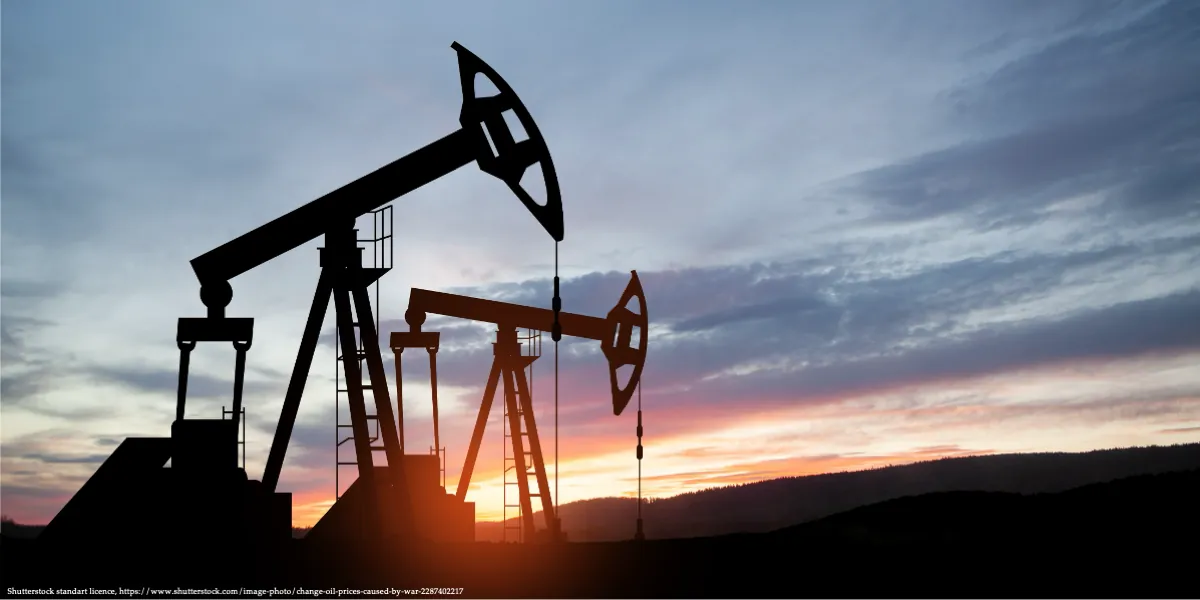
    In a recent EFN article, Daniel Spiro examines how the current oil crisis is reshaping Europe’s energy debate. The article explores how geopolitical tensions and rising oil prices are reinforcing the urgency of reducing fossil fuel dependence. Daniel Spiro highlights how the war in Ukraine and broader instability have exposed Europe’s vulnerability to energy shocks.

    Daniel Spiro, Associate Professor of Economics at Uppsala University, emphasized that the crisis may serve as a turning point.

    “I definitely think it can do that. If decision-making in Europe were to function rationally, this would definitely be taken as a warning bell,” Daniel Spiro said.

    He noted that Europe now faces high costs, both from higher oil import prices and from increased revenues flowing to Russia, which remains a strategic threat.

    The article describes the war as a wake-up call for Europe and outlines how the ongoing oil crisis could accelerate the phase-out of fossil fuels. Daniel Spiro warned that persistently high energy prices could create broader macroeconomic risks, including inflationary pressures similar to those seen after the 1970s oil crisis and following Russia’s 2022 invasion of Ukraine. The EFN article also highlights the EU’s plan to eliminate Russian fossil fuel imports by 2027, underscoring the long-term policy shift now underway.

    To read the full article and Daniel Spiro’s expert analysis on the oil crisis and energy transition, visit EFN.

  • Torbjörn Becker: Russia is facing increasing financial pressure

    Torbjörn Becker: Russia is facing increasing financial pressure

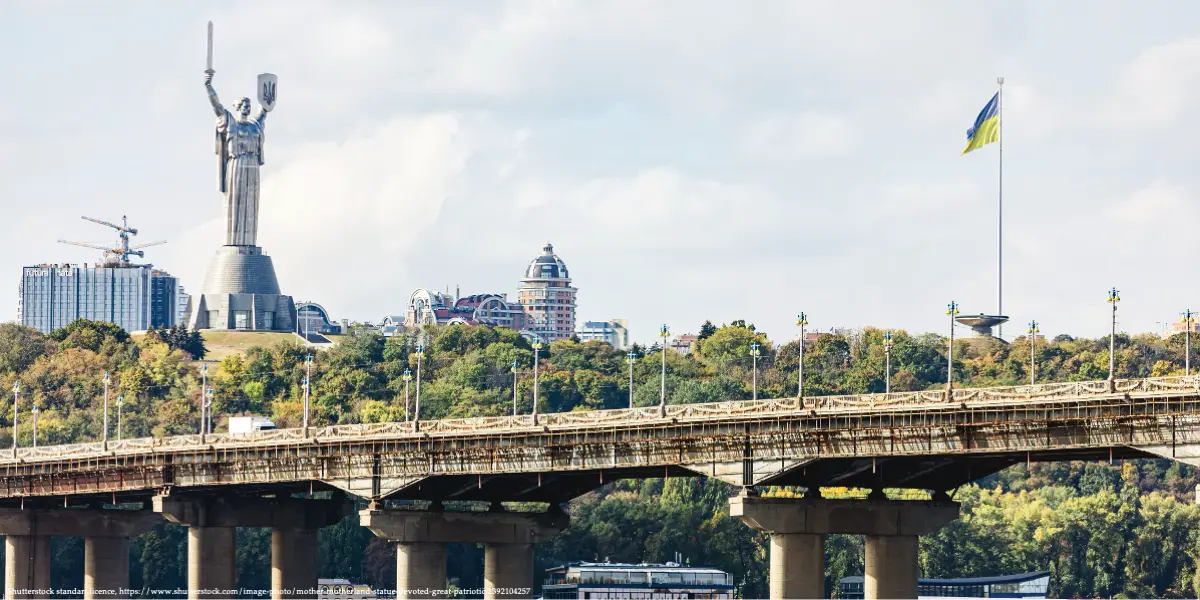
    Russia is facing increasing financial pressure as it continues its war in Ukraine. In a recent article by Svenska Dagbladet, experts examine how Moscow is seeking new funding sources amid rising military costs and strained revenues. The article highlights the broader economic challenges Russia faces as sanctions and battlefield developments affect its ability to sustain long-term war spending.

    Torbjörn Becker, Director of the Stockholm Institute of Transition Economics (SITE), offers key insight into the situation. He notes that recent measures, such as seeking contributions from oligarchs and expanding state financing tools, signal growing stress within the Russian economy. Becker emphasizes that these steps reflect deeper structural challenges, as traditional revenue streams struggle to keep pace with escalating war expenditures. 

    The article also explores how damage to oil infrastructure and fluctuating global energy markets are affecting Russia’s income. At the same time, rising defense spending and compensation costs for soldiers are placing additional strain on the state budget. These dynamics underline the limits of Russia’s economic resilience, even as the country adapts to sanctions and external pressure.

    To explore the full article and Torbjörn Becker’s commentary on Russia’s war financing, read the complete piece in Svenska Dagbladet.

  • Henrik Wachtmeister: Ukraine Can Deliver Decisive Blow

    Henrik Wachtmeister: Ukraine Can Deliver Decisive Blow

    In a recent Forum24 article, analysts explored rising anxiety inside Russia as the war in Ukraine intensifies. The article highlights growing fear among civilians and shifting sentiment as Ukrainian forces demonstrate increasing long-range strike capabilities. The discussion centers on where Ukraine could deliver a decisive blow and how that might reshape the conflict.

    Henrik Wachtmeister, Department of Earth Sciences, Natural Resources and Sustainable Development, provided key insight into Ukraine’s evolving strategy. He emphasized that targeted strikes deep inside Russian territory could have both military and psychological impact. Wachtmeister noted that such operations may disrupt logistics and weaken domestic confidence in Russia’s leadership, amplifying pressure beyond the battlefield.

    The article also highlighted broader implications, including the role of morale in modern warfare and the Kremlin’s efforts to maintain internal stability. It pointed to increasing signs of unease among Russian civilians, alongside intensified defensive measures. At the same time, the piece examined how Ukraine’s Western-backed capabilities are shifting the balance, raising questions about escalation and future countermeasures.

    Henrik Wachtmeister’s analysis reinforces the importance of strategic targeting in Ukraine’s campaign against Russia. To explore the full article and Henrik Wachtmeister’s insights, read the complete article on Forum24.

  • Torbjörn Becker: effectiveness of Western sanctions on Russia

    Torbjörn Becker: effectiveness of Western sanctions on Russia

    In a recent article published by EuropeSays, the effectiveness of Western sanctions on Russia remains under scrutiny. The piece explores how ongoing economic restrictions are shaping Russia’s economic outlook while raising questions about their long-term impact. As policymakers consider additional measures, the debate highlights both the strengths and limitations of sanctions in influencing geopolitical outcomes.

    Torbjörn Becker, Director of the Stockholm Institute of Transition Economics (SITE), offers his insights. He explains that while sanctions have imposed real constraints on Russia’s economy, their overall effectiveness depends on enforcement and global coordination. Torbjörn Becker emphasizes that Russia has adapted to restrictions over time, reducing the immediate pressure that sanctions were designed to create.

    The article also discusses broader economic and political dynamics, including Russia’s shifting trade relationships and the role of third countries in mitigating sanctions pressure. It explores how energy markets, financial flows, and policy responses continue to shape the overall impact of sanctions. Becker notes that without tighter enforcement and fewer loopholes, sanctions alone may not achieve their intended strategic goals.

    To explore the full analysis and Torbjörn Becker’s expert commentary, read the complete article on EuropeSays.

  • Benjamin Hilgenstock: Stronger Enforcement Key to Russia Sanctions

    Benjamin Hilgenstock: Stronger Enforcement Key to Russia Sanctions

    In a recent EuropeSays article, the effectiveness of Western sanctions on Russia is examined through the lens of enforcement and economic resilience. The article explores how sanctions continue to pressure Russia’s economy, while also highlighting persistent gaps that limit their overall impact. As international partners weigh new measures, enforcement remains central to the policy debate.

    Benjamin Hilgenstock, Head of Macroeconomic Research and Strategy at the Kyiv School of Economics, KSE Institute, provides his analysis in the article. He stresses that sanctions can only achieve their full effect if enforcement is consistent and coordinated across jurisdictions. Hilgenstock notes that loopholes and weak compliance allow Russia to sustain critical imports and financial flows despite extensive restrictions.

    Hilgenstock also highlights how global shocks can undermine the effectiveness of sanctions. He points to the crisis in the Strait of Hormuz as a major stress test for the Western sanctions regime against Russia. These measures rely on global markets to offset supply disruptions, but that buffer has weakened.

    “The challenge posed by Hormuz is so massive that this capacity no longer exists at the moment,” he explains.

    Hilgenstock concludes that there is limited room for policy action until the crisis stabilizes, raising the broader question: has the West given in?

    The article also addresses the role of intermediary countries and evolving trade routes that help Russia mitigate sanctions pressure. It highlights ongoing efforts by Western governments to tighten controls and reduce circumvention. Hilgenstock underscores that closing these gaps is essential to increasing economic pressure and shaping Russia’s long-term economic outlook.

    To explore the full analysis and Benjamin Hilgenstock’s expert commentary, read the complete article on EuropeSays.

    Further Reading: Sanctions, Energy, and Russia’s War Economy

    Energy exports remain the backbone of Russia’s economy and a key instrument of geopolitical leverage. Sanctions targeting this sector aim to reduce state revenues and limit Moscow’s influence abroad.

    Visit the Sanctions Portal Evidence Base to access the latest research on energy-related sanctions against Russia.

    Review the Timeline of Western Sanctions and Russian Countermeasures to track how both sides have adapted since the start of Russia’s full-scale invasion of Ukraine.

  • Benjamin Hilgenstock: Iran Crisis Could Boost Russia’s Oil Revenues

    Benjamin Hilgenstock: Iran Crisis Could Boost Russia’s Oil Revenues

    A recent BBC News article examines how rising geopolitical tensions involving Iran could reshape global energy markets and benefit Russia’s economy. The report highlights how disruptions to Iran’s oil supply may drive prices higher. This crisis could create an indirect financial advantage for Moscow despite ongoing sanctions and economic pressure.

    Benjamin Hilgenstock, Head of Macroeconomic Research and Strategy at the Kyiv School of Economics, described the potential shift as “a serious bailout” for Putin’s regime. He estimated that higher oil prices could increase Russia’s monthly export revenues by roughly $10 billion, with about half flowing directly into state tax revenues. Benjamin Hilgenstock emphasized that this surge would significantly ease fiscal strain and support the Kremlin’s war financing.

    The BBC article also notes that Russia has recently faced declining oil export volumes, with February figures reaching their lowest levels since the full-scale invasion of Ukraine in 2022. However, Benjamin Hilgenstock pointed out that if instability in Iran persists beyond a short period, Russia could regain a “comfortable situation” economically. The analysis underscores how global supply shocks can undermine the intended impact of Western sanctions.

    To explore the full report and Benjamin Hilgenstock’s commentary on Russia’s oil exports, read the complete article on BBC News.

    Further Reading: Sanctions Timeline and Evidence Base

    Energy exports remain the backbone of Russia’s economy and a key instrument of geopolitical leverage. Western sanctions targeting the energy sector are designed to reduce state revenues and constrain Moscow’s ability to project influence abroad.

    Explore the Sanctions Portal Evidence Base to access the latest research and expert analysis on energy-related sanctions against Russia. The database brings together policy insights, empirical studies, and data on the economic impact of sanctions.

    You can also review the Timeline of Western Sanctions and Russian Countermeasures to understand how sanctions policy has evolved since the start of Russia’s full-scale invasion of Ukraine. The timeline highlights key measures and responses, illustrating how both sides have adapted over time.

  • Torbjörn Becker: Iran Conflict Could Strengthen Russia’s War Economy

    Torbjörn Becker: Iran Conflict Could Strengthen Russia’s War Economy

    A recent article in Nyheter24 examines how escalating tensions in the Middle East could indirectly benefit Russia’s war effort in Ukraine. As global attention shifts toward the Iran conflict, analysts warn that geopolitical and economic ripple effects may alter the balance of the war. The coverage highlights expert analysis on how rising energy prices and shifting international priorities could affect Russia’s economic resilience.

    Torbjörn Becker, Director of the Stockholm Institute of Transition Economics (SITE) at the Stockholm School of Economics, provided key insight in the article. Becker noted that higher global oil prices could significantly strengthen Russia’s finances. With oil revenues rising, Moscow may face fewer budget constraints while funding its war effort. According to Becker, the geopolitical distraction also risks weakening international focus on Ukraine at a critical moment. 

    The article also discusses broader strategic implications. As the Middle East conflict intensifies, global military resources and diplomatic attention may be redirected away from Ukraine. Ukrainian officials have warned that critical defense systems are increasingly prioritized elsewhere. Meanwhile, temporary sanctions relief for Russian oil exports and shifting energy markets could further increase Kremlin revenues.

    To explore the full analysis and Torbjörn Becker’s expert commentary, read the original article in Nyheter24.

    Further Reading: Sanctions Timeline and Evidence Base

    Energy exports remain the backbone of Russia’s economy and a major tool of geopolitical leverage. Western sanctions targeting the energy sector aim to reduce state revenues and limit Moscow’s ability to project influence abroad.

    Explore the Sanctions Portal Evidence Base to access the latest research and analysis on energy-related sanctions against Russia. The database brings together expert studies, policy insights, and data on the economic impact of sanctions.

    Review the Timeline of Western Sanctions and Russian Countermeasures to see how sanctions policy has evolved since the start of Russia’s full-scale invasion of Ukraine. The timeline tracks key measures and responses, showing how both sides have adapted over time.

  • Petras Katinas: Higher Oil Prices Won’t Solve Russia’s Constraints

    Petras Katinas: Higher Oil Prices Won’t Solve Russia’s Constraints

    Rising oil prices have given fresh attention to Russia’s energy revenues as conflict involving Iran disrupts markets and lifts crude benchmarks. In a recent Wall Street Journal report available on MSN, the article examined how the price surge could offer Moscow short-term relief while raising new concerns for global energy security and sanctions enforcement. The broader discussion centered on whether Russia can translate higher prices into a lasting financial advantage. 

    Petras Katinas, Research Fellow in Climate, Energy and Defence within the Energy and Security Programme and the Open Climate Programme at the Royal United Services Institute, argued that stronger oil prices do not erase the structural limits created by sanctions. Katinas noted that Russia still depends on a restricted pool of shadow fleet tankers to move its crude. He warned that this creates a shipping bottleneck, with too few vessels available to handle all current exports. Petras Katinas’ insight highlights a core weakness in Russia’s oil trade: revenue opportunities may improve, but logistics remain under pressure. 

    The article also pointed to a wider pattern in Russia’s energy outlook. Analysts said a prolonged conflict could shrink the discount on Russian oil and improve Kremlin earnings, especially if elevated prices persist for months. At the same time, sanctions, transport risks, and limited export capacity continue to curb how much of that upside Russia can actually capture. That tension remains central to the policy debate around Russia sanctions and energy market resilience. 

    To read the full coverage and Petras Katinas’ commentary on oil prices, Russia sanctions, and the shadow fleet, explore the original article on MSN.

    Russian Shadow Fleet Tracker

    KSE Institute introduces a new monthly analytical product — the Russian Shadow Fleet Tracker. This product monitors Russian oil shipments carried by the shadow fleet, including cargo destinations, vessel ownership, and changes in fleet composition.

  • Petras Katinas: Iran’s Oil infrastructure at the Center of Energy Security

    Petras Katinas: Iran’s Oil infrastructure at the Center of Energy Security

    Iran’s oil infrastructure has come under renewed scrutiny as geopolitical tensions escalate in the Middle East. In a recent CNBC report, analysts examined the strategic significance of Kharg Island, a small but critical hub for Iran’s oil exports. The discussion explored how control over the island could influence regional security dynamics and global energy markets.  

    Petras Katinas, a Research Fellow in Climate, Energy and Defence at RUSI, offered expert analysis on the island’s strategic importance.

    “Seizing the island would cut off Iran’s oil lifeline,” Katinas explained, noting that Kharg Island plays a central role in the country’s ability to export crude oil.

    He added that although current disruptions in the Strait of Hormuz limit exports, control over the island could provide significant leverage in future negotiations involving Iran. 

    The article also examined the broader geopolitical implications of targeting Iran’s energy infrastructure. Kharg Island processes the vast majority of Iran’s crude exports, making it a potential pressure point in any military or diplomatic strategy. However, experts warn that capturing or occupying the island would likely require a ground operation and could trigger regional escalation, particularly given the strategic importance of Gulf energy routes.  

    Petras Katinas’ commentary underscores how energy infrastructure can shape geopolitical leverage during conflicts. His analysis highlights the intersection of energy security and military strategy in the Middle East. To explore the full coverage and Petras Katinas’ insights, read the original article.

  • Maria Perrotta Berlin: The Shadow Fleet Behind Russia’s War Economy

    Maria Perrotta Berlin: The Shadow Fleet Behind Russia’s War Economy

    Russia’s ability to finance its war in Ukraine remains closely tied to energy exports. In a recent episode of the Utblick podcast by the Utrikespolitiska institutet (UI), experts explored how Russia relies on a so-called “shadow fleet” to transport oil and bypass Western sanctions. The discussion examined how hundreds of aging, hard-to-trace tankers operate under false flags and opaque ownership structures to move Russian oil across global shipping routes, including through the Baltic Sea.

    Maria Perrotta Berlin, Assistant Professor at the Stockholm Institute of Transition Economics (SITE) at the Stockholm School of Economics, contributed expert analysis on the economic role of this shadow fleet. In the conversation, Maria Perrotta Berlin explained how these vessels enable Russia to maintain oil exports despite price caps and sanctions imposed after the full-scale invasion of Ukraine.

    Her insights highlight how energy revenues remain a central pillar of Russia’s war financing and why enforcement gaps allow sanctions to be circumvented. The episode also explored why stopping the shadow fleet is so difficult. Ships often operate under changing ownership, flags of convenience, and limited insurance oversight, making them difficult to track and regulate. The discussion further addressed the risks posed by older tankers operating in sensitive waters, including the Baltic Sea, where environmental and security concerns intersect with sanctions enforcement.

    To explore the full discussion and Maria Perrotta Berlin’s insights on Russia’s shadow fleet, listen to the complete episode on the Utrikespolitiska institutet’s Utblick podcast.

    Further Reading: Sanctions Timeline and Evidence Base

    Energy exports remain the backbone of Russia’s economy and a major tool of geopolitical leverage. Western sanctions targeting the energy sector aim to reduce state revenues and limit Moscow’s ability to project influence abroad. Explore the Sanctions Portal Evidence Base to access the latest research and analysis on energy-related sanctions against Russia. The database brings together expert studies, policy insights, and data on the economic impact of sanctions. Review the Timeline of Western Sanctions and Russian Countermeasures to see how sanctions policy has evolved since the start of Russia’s full-scale invasion of Ukraine. The timeline tracks key measures and responses, showing how both sides have adapted over time.