News

  • Petras Katinas on the EU’s 21st Sanctions Package

    Petras Katinas on the EU’s 21st Sanctions Package

    The European Union is preparing its 21st sanctions package against Russia, aiming to intensify economic pressure amid the ongoing war in Ukraine. In a recent article by Lithuania’s national broadcaster LRT, experts examined what additional measures could realistically achieve. The feature explored whether new restrictions can significantly undermine Russia’s war financing and long-term economic stability.

    Petras Katinas, Research Fellow in Climate, Energy and Defence within the Energy and Security Programme and the Open Climate Programme at RUSI Europe, offered a measured assessment of the proposed steps. Speaking to LRT, Petras Katinas explained that each sanctions round has gradually expanded restrictions on trade, finance, and energy. However, he cautioned that the impact of new measures depends on timing and market conditions.

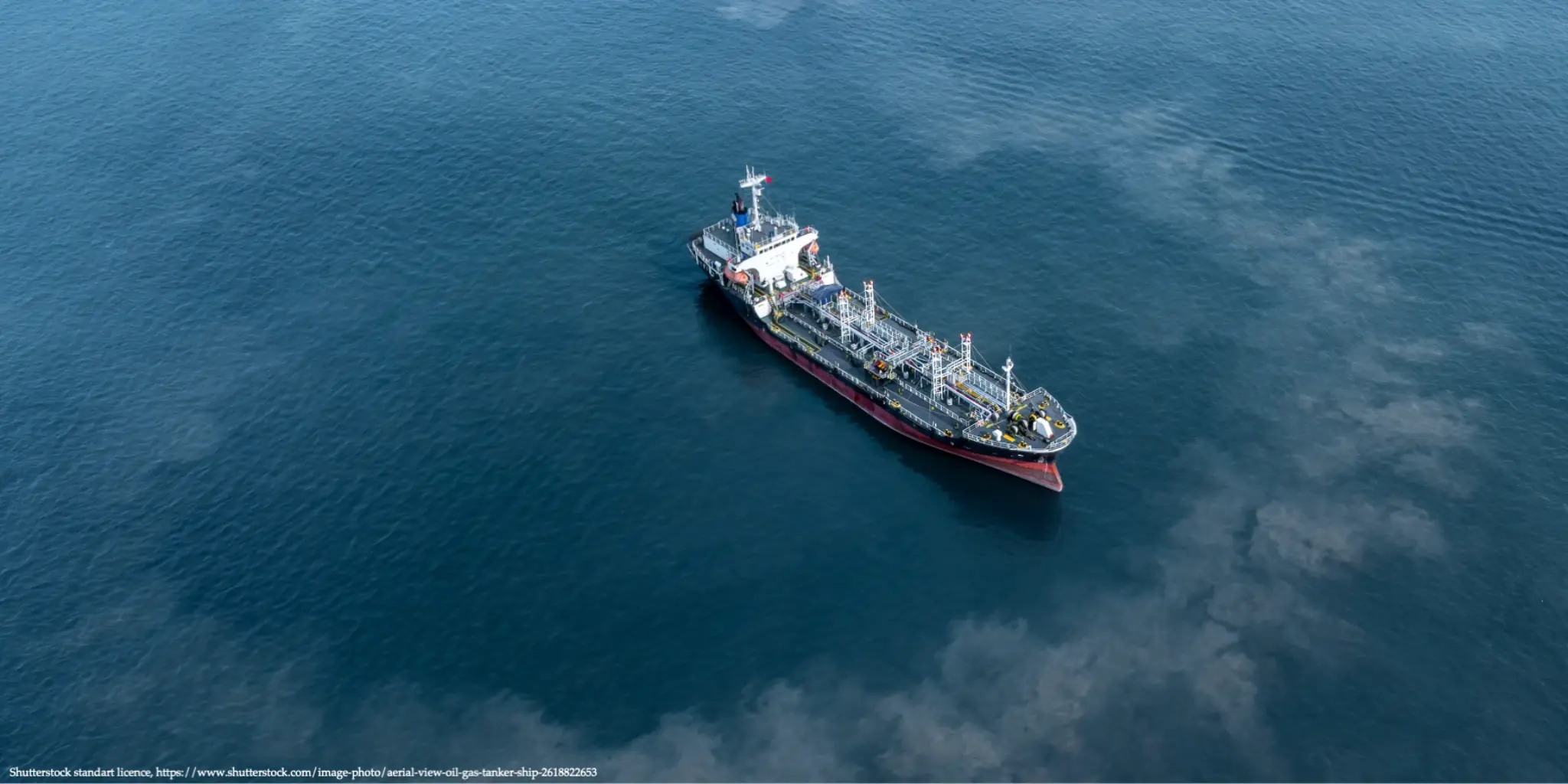
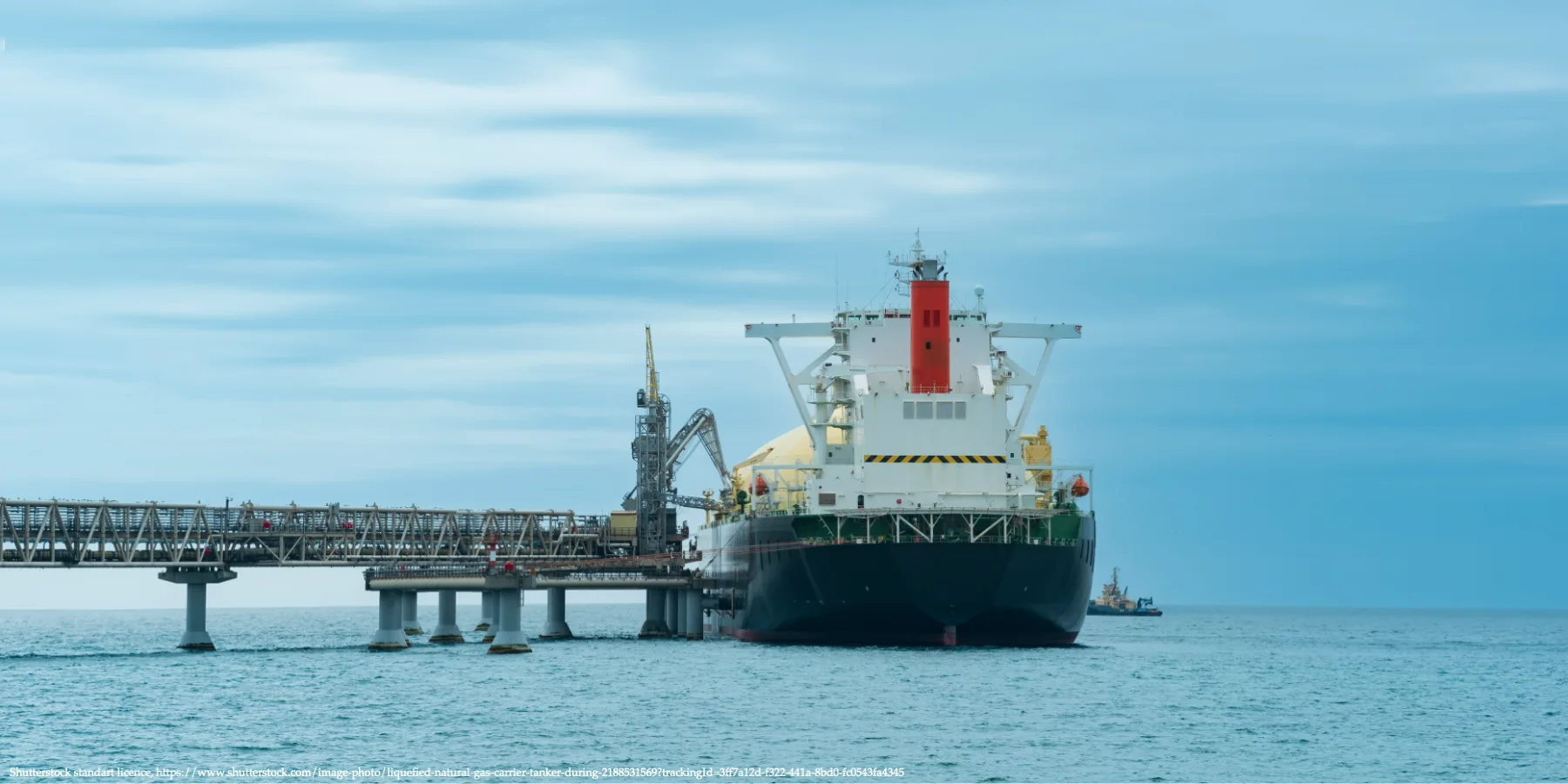
    “I would say that a complete ban on the provision of maritime services would be a very strong measure, but for this the gas and oil market must stabilize, and no one knows when that will happen,” said Katinas.

    According to Petras Katinas, sanctions are most effective when they close loopholes and strengthen enforcement mechanisms. The LRT article notes that policymakers are considering expanded limits on energy exports, dual-use goods, and financial channels that enable Russia to bypass earlier restrictions. Analysts also discussed the importance of coordination with international partners to prevent circumvention through third countries. While sanctions alone may not immediately halt Russia’s war effort, they shape the broader economic outlook and increase long-term costs for the Kremlin.

    The cumulative impact of 21 sanction packages reflects the EU’s sustained commitment to economic pressure. Petras Katinas emphasized that unity among member states remains critical. Without alignment on measures such as maritime service bans, enforcement gaps could weaken overall policy impact. The article concludes that the next sanctions round will test both Europe’s resolve and its ability to balance economic stability with geopolitical objectives.

    To read the full interview and Petras Katinas’ expert analysis on the EU’s 21st sanctions package, visit the complete article on LRT’s website.

    Explore Sanctions on Russia and Russian Economic Retaliation

    For further expert analysis on sanctions and Russia’s economic trajectory, visit the SITE Sanctions Hub. Explore the chronological overview of major sanction packages and Russian countermeasures by Date, Country, and Sector in the Sanctions Timeline.

    The Evidence Base section of the SITE Sanctions Hub presents the latest publications, policy reports, and research findings, offering in-depth analysis and regularly updated data.

    The Compliance Index provides a structured assessment of how effectively sanctions are implemented and enforced across jurisdictions. It offers comparative insights into compliance trends and policy performance.

  • Maria Perrotta Berlin: Mounting Pressure on Russia’s Economy

    Maria Perrotta Berlin: Mounting Pressure on Russia’s Economy

    Russia’s economic outlook is facing new uncertainty as financial and structural pressures intensify. In a recent feature by EFN, Maria Perrotta Berlin shared insights on how mounting constraints are narrowing the Kremlin’s policy options. The article explores how prolonged war spending, inflation risks, and sanctions are creating fresh challenges for President Vladimir Putin.

    Maria Perrotta Berlin, Assistant Professor at the Stockholm Institute of Transition Economics (SITE), explained that Russia’s room for maneuver is shrinking. While the economy has shown resilience since the full-scale invasion of Ukraine, she noted that several buffers are weakening. Fiscal reserves are under strain, borrowing costs remain elevated, and inflation continues to pressure households. According to Maria Perrotta Berlin, these trends suggest that policy trade-offs are becoming more difficult and costly.

    “You can start to sense a growing concern in the Kremlin. We saw this clearly in the middle of last year when the government presented its new budget. In the 2026 budget, they increased both VAT and corporate taxes and explicitly linked these hikes to the need to finance the war. That was the first time they openly made that connection. It signals that financial resources are becoming increasingly constrained,” said Maria Perrotta Berlin.

    Perrotta Berlin also emphasized that economic resilience does not eliminate vulnerability. Instead, it often masks underlying imbalances that surface over time. As EFN reports, the combination of sustained sanctions, restricted capital access, and domestic economic pressures is creating a new phase of uncertainty. These developments raise important questions about Russia’s medium-term stability and its capacity to finance prolonged geopolitical ambitions.

    To read the full analysis and Maria Perrotta Berlin’s commentary, access the complete article published by EFN.

    Further Reading: Russia’s Wartime Economy and Sanctions Impact

    For deeper insight into sanctions on Russia, explore SITE’s report, Financing the Russian War Economy. The study analyzes Russia’s budget deficit, wartime spending, energy revenues, and fiscal sustainability under Western sanctions. It offers data-driven insight into Russia’s war financing capacity and economic vulnerabilities.

    For more on sanctions policy and economic pressure tools, visit the SITE Sanctions Hub Evidence Base.

    Do Economic Sanctions Work? Evidence and Policy Lessons

    The impact of economic sanctions remains debated. Sanctions on Russia have renewed questions about growth, fiscal stability, and war financing.

    The FREE Network policy brief, “The Effects of Sanctions,” by Maria Perrotta Berlin, examines when sanctions succeed, their risks, and lessons for future design.

  • Torbjörn Becker on Putin’s Kazakhstan Summit and Economic Outlook

    Torbjörn Becker on Putin’s Kazakhstan Summit and Economic Outlook

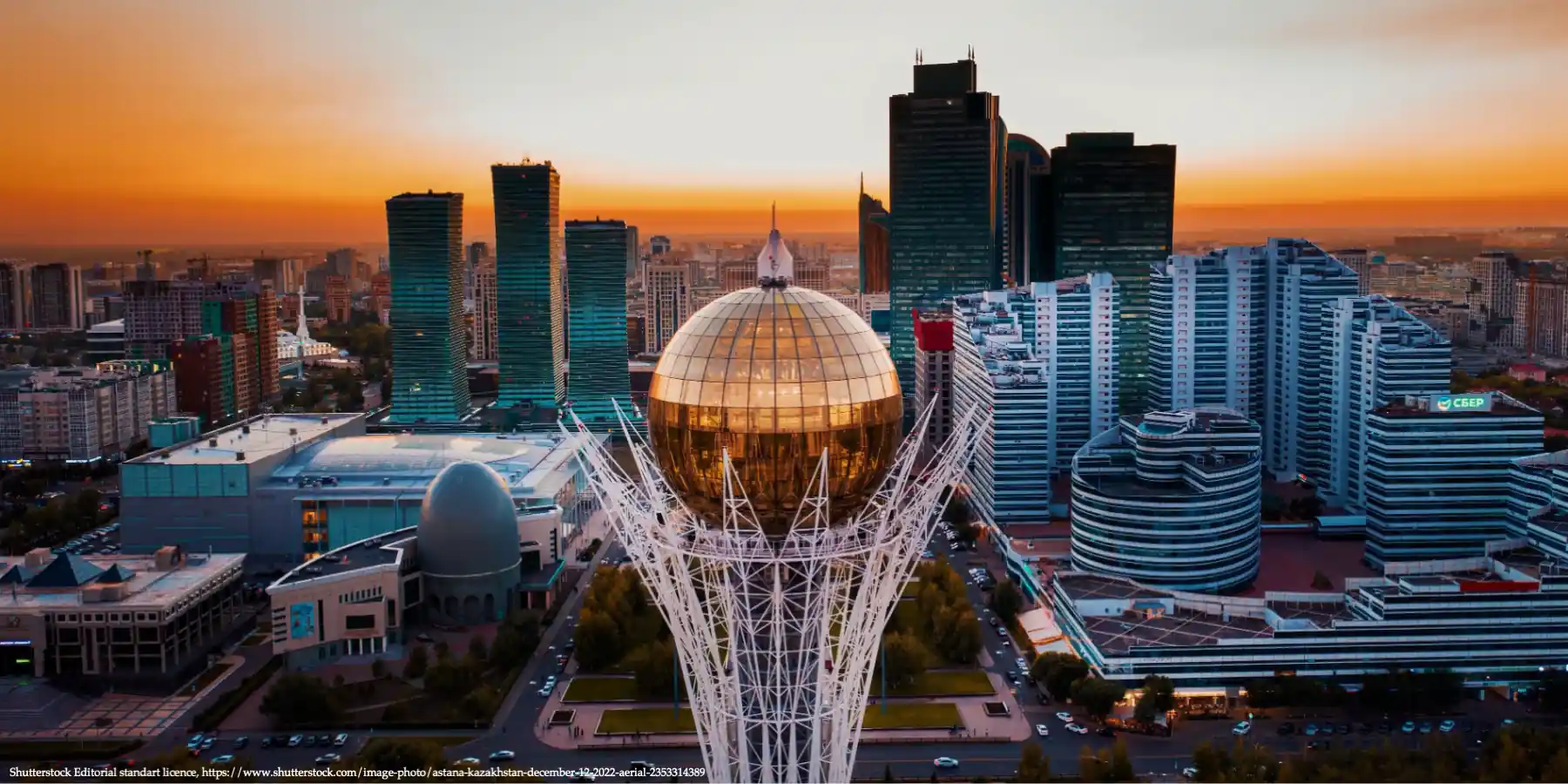
    Russian President Vladimir Putin’s recent summit in Kazakhstan has drawn international attention amid mounting economic and political pressure. In a feature by Sveriges Radio, the discussions focused on whether the meeting signals a strategic breakthrough or a diplomatic rescue effort for the Kremlin. The coverage examined Russia’s economic position as Western sanctions continue to reshape trade flows and political alliances.

    Torbjörn Becker, Director of the Stockholm Institute of Transition Economics (SITE), shared his view on the broader implications of the summit. He noted that high-level meetings with regional partners can serve both symbolic and practical purposes. According to Torbjörn Becker, Russia seeks to demonstrate resilience and maintain strategic partnerships despite sanctions from the EU and the United States. He emphasized that while such summits project stability, they do not eliminate the structural challenges facing the Russian economy under sustained sanctions.

    The Sveriges Radio article also addressed how Russia is deepening ties with countries outside the Western alliance system. Energy cooperation, trade rerouting, and financial coordination were key themes. Torbjörn Becker explained that although Russia has managed to cushion the immediate impact of sanctions, long-term growth prospects remain constrained. Limited access to advanced technology and restricted capital flows continue to weigh on the country’s economic outlook. The discussion underscored how geopolitical positioning and economic policy are increasingly intertwined.

    To explore the full report and Torbjörn Becker’s expert commentary, read the complete article or listen to the radio interview on Sveriges Radio.

    Further Reading: Russia’s Wartime Economy and Sanctions Impact

    For deeper insight into Russia’s economic outlook and the long-term impact of sanctions, explore SITE’s report, Financing the Russian War Economy. The analysis examines Russia’s budget deficit, wartime spending, energy revenues, and fiscal sustainability under Western sanctions. It assesses how sanctions shape Russia’s war financing and future growth, expanding on Torbjörn Becker’s analysis with data-driven insights into the strengths and vulnerabilities of the wartime economy. For further research on sanctions policy and energy flows, see the latest publications in the SITE Sanctions Hub Evidence Base.

  • Petras Katinas on Risks of Easing UK Oil Sanctions

    Petras Katinas on Risks of Easing UK Oil Sanctions

    In a recent Telegraph article, the debate over the United Kingdom’s oil sanctions policy takes center stage. The piece examines concerns that easing restrictions could undermine Western pressure on Russia’s war economy. As policymakers weigh economic and political trade-offs, experts warn of the broader implications for energy markets and international coordination.

    Petras Katinas, Research Fellow in Climate, Energy and Defence within the Energy and Security Programme and the Open Climate Programme at RUSI Europe, provides insight into the risks of loosening enforcement. He cautions that any softening of oil sanctions could send the wrong signal to markets and to Moscow. Petras Katinas explains that sanctions remain a critical tool in limiting Russia’s revenue from fossil fuel exports. He notes that even incremental adjustments may weaken collective resolve and reduce the long-term policy impact. According to Petras Katinas, sustained coordination among allies is essential to maintain pressure and avoid loopholes that Russia could exploit.

    The article also highlights political tensions surrounding Prime Minister Keir Starmer’s approach to sanctions enforcement. Lawmakers and analysts are divided over whether adjustments would protect domestic energy security or dilute the sanctions regime. Broader discussions focus on the price cap mechanism, enforcement challenges, and the role of global shipping networks. The article also underscores how oil revenues continue to shape Russia’s economic outlook and its capacity to finance the war in Ukraine.

    To read the full analysis and Petras Katinas’ commentary, access the complete article on The Telegraph.

    Further Reading: Winners, Losers, and Vulnerabilities of the Hormuz Blockade

    To explore the geopolitical and economic risks surrounding global energy markets, readers can visit the FREE Network policy brief, The Hormuz Blockade: Winners, Losers, and Vulnerabilities. The analysis by Johan Gars, Daniel Spiro, and Henrik Wachtmeister examines how a potential blockade of the Strait of Hormuz could reshape global trade flows, energy prices, and sanctions dynamics.

    Explore Sanctions on Russia and Expert Economic Analysis

    For further expert analysis on sanctions and Russia’s economic trajectory, visit the SITE Sanctions Hub. Explore the chronological overview of major sanction packages and Russian countermeasures by Date, Country, and Sector in the Sanctions Timeline.

    The Evidence Base section of the SITE Sanctions Hub presents the latest publications, policy reports, and research findings, offering in-depth analysis and regularly updated data.

    The Compliance Index provides a structured assessment of how effectively sanctions are implemented and enforced across jurisdictions. It offers comparative insights into compliance trends and policy performance.

  • Henrik Wachtmeister: China Hesitant as Russia Pushes Energy Deals

    Henrik Wachtmeister: China Hesitant as Russia Pushes Energy Deals

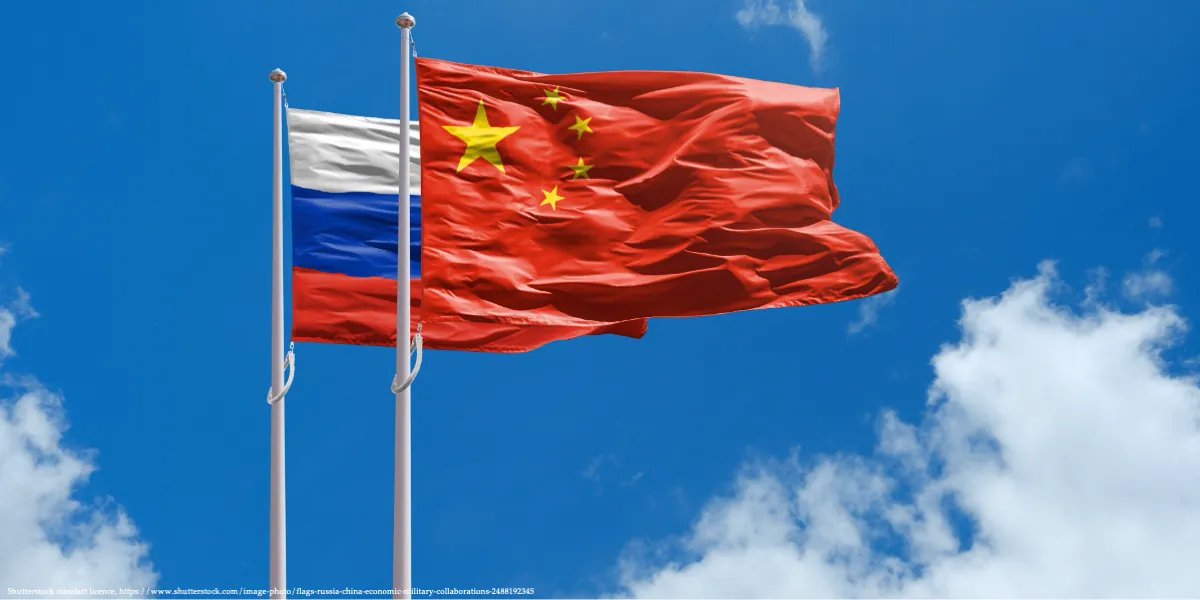
    In an in-depth RFE/RL analysis of the recent Beijing summit between Vladimir Putin and Xi Jinping, energy relations and the stalled Power of Siberia-2 gas pipeline project took center stage. While the leaders signed a series of agreements to deepen strategic cooperation, no breakthrough emerged on long-term gas commitments. Amid this backdrop, Henrik Wachtmeister offered his assessment of the evolving China-Russia energy relationship.  

    Henrik Wachtmeister, an Associate Professor at Uppsala University and a Research Fellow at the Swedish National China Centre at the Swedish Institute of International Affairs (UI), highlighted the strategic imbalance between Moscow’s urgency for energy revenue and Beijing’s cautious approach.

    “Russia needs the revenue from trade much more than China needs Russian energy,” Wachtmeister told RFE/RL, underscoring that Russia faces pressure from sanctions and shrinking markets, whereas China enjoys a wider array of energy suppliers.

    His insight sheds light on why concrete progress on Power of Siberia-2 failed to materialize at the summit, despite the project’s significance for rerouting Russian gas exports after the loss of European markets.  

    Wachtmeister also pointed to the broader implications of this asymmetry for the partnership. Even though Putin and Xi publicly pledged to deepen cooperation and signed a joint statement on expanding energy collaboration, China’s hesitance reflects its strategic diversification. With a larger economy and multiple import options, Beijing can negotiate from a position of strength, reducing the urgency to commit to new Russian gas infrastructure. This cautious stance helps explain why Russia, despite emphasizing its role as a reliable energy supplier, could not secure firm timelines or terms for the pipeline project during the talks.  

    Wachtmeister’s commentary underscores a key takeaway from the summit: while China and Russia continue to present a united front on geopolitical issues, fundamental economic dynamics shape their cooperation in energy markets. Russia’s need for guaranteed revenues contrasts with China’s strategic patience and market flexibility.  

    For the full report and Henrik Wachtmeister’s expert analysis, visit RFE/RL’s coverage of the China-Russia summit.

    Further Reading: Russia’s Wartime Economy and Sanctions Impact

    For deeper insight into Russia’s economic outlook and the long-term impact of sanctions on Russia, explore SITE’s report, Financing the Russian War Economy. This in-depth analysis examines Russia’s budget deficit, wartime spending, energy revenues, and fiscal sustainability under Western sanctions.

    For additional research on sanctions policy, energy flows, and economic pressure mechanisms, see the latest publications in the SITE Sanctions Hub Evidence Base.

    Do Economic Sanctions Work? Evidence and Policy Lessons

    The effectiveness of economic sanctions has long been debated among policymakers, economists, and security experts. Some critics argue that sanctions are blunt instruments with uncertain outcomes, while others point to cases where sustained economic pressure influenced political behavior and policy change.

    Drawing on decades of empirical evidence, the FREE Network policy brief explores the effectiveness of economic sanctions, their unintended consequences, and the lessons for future sanctions design. Read the full policy brief, “The Effects of Sanctions,” by Maria Perrotta Berlin, Assistant Professor at the Stockholm Institute of Transition Economics.

  • Torbjörn Becker: War Financing Is Not Economic Strength

    Torbjörn Becker: War Financing Is Not Economic Strength

    Internal Kremlin documents reveal mounting fiscal pressure on Russia’s economy. In a recent investigation by Razomua Media, journalists reported that more than 400 oil wells have been shut down and that the federal budget faces an estimated $80 billion deficit. The article examines how declining energy revenues and rising war spending are reshaping Russia’s economic outlook.

    Russia is strong enough to continue financing the war, but that is different from being economically strong,” said Torbjörn Becker, in a speech to EU finance ministers.

    He pointed to a combination of rising inflation, a labor shortage of 1.9 million workers in industry, and the collapse of foreign investment as drivers of a vicious cycle in which increased state spending fails to generate real growth and instead fuels higher prices.

    The article also highlighted that oil refining has declined by around 10 percent for several consecutive months in 2025, while drilling activity is contracting, with roughly 400 wells closed in a single company alone, and limited technological capacity to restart them. At the same time, the federal budget deficit exceeded $80 billion in the first five months of the year, and the liquid assets of Russia’s welfare funds have fallen by half since the start of the invasion, underscoring mounting fiscal pressure beneath the surface of wartime resilience.

    The Razomua Media article also addresses the political implications of shrinking energy revenues. Oil and gas exports remain central to Russia’s state finances. Reduced production and discounted exports weaken the government’s ability to fund social programs and military operations. The report points to rising borrowing needs and potential cuts in non-military spending.

    In this context, Torbjörn Becker underscores that budget imbalances can erode investor confidence and limit future growth. He adds that Russia’s economic resilience since 2022 has relied heavily on temporary buffers, including sovereign funds and capital controls.

    To explore the full investigation and Torbjörn Becker’s commentary, read the complete article in Razomua Media.

    Further Reading: Report on Russia’s Wartime Economy

    For more on Russia’s economic outlook and the impact of sanctions, explore SITE’s report, Financing the Russian War Economy.” This in-depth report provides expert analysis of Russia’s fiscal pressures, wartime financing strategies, and long-term growth risks under sanctions. It expands on the themes highlighted by Torbjörn Becker and offers valuable insights into the sustainability of Russia’s wartime economy.

    For further expert analysis on sanctions, energy flows, and economic pressure, visit the portal’s recent publications in the Evidence Base. Learn more about sanctions against Russia and Russian economic retaliation by visiting the Sanctions Timeline.

  • Aage Borchgrevink: Victory Day Signals Pressure on Putin

    Aage Borchgrevink: Victory Day Signals Pressure on Putin

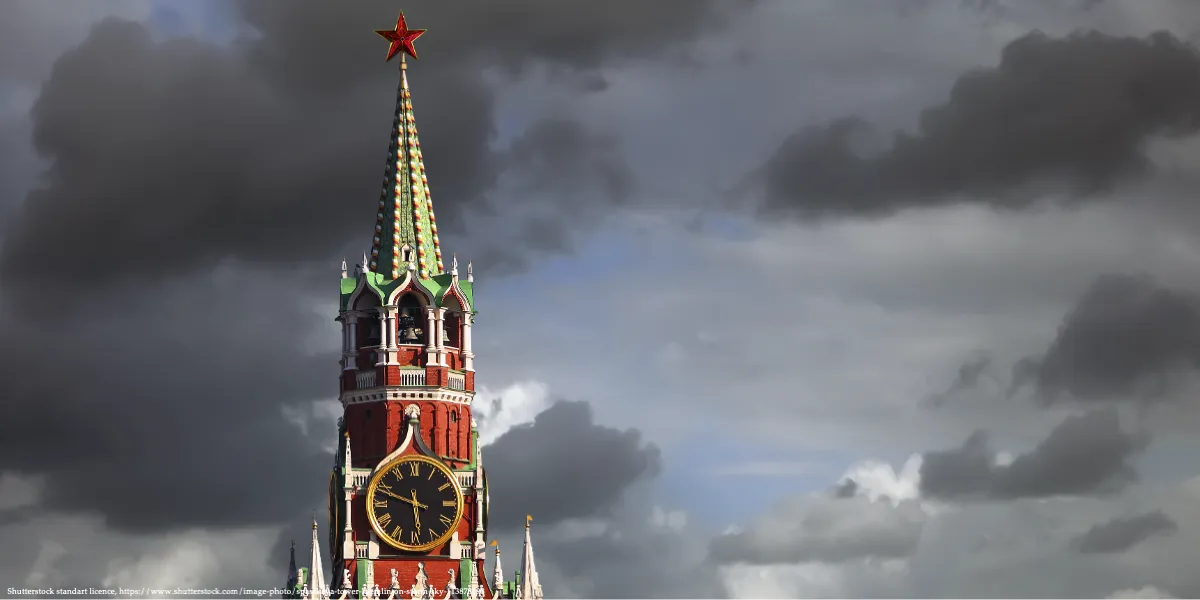
    Russia’s annual Victory Day parade has long symbolized military pride and national unity. This year, however, the celebration looks markedly different. In an interview with Dagbladet, Russia expert Aage Borchgrevink argues that the scaled-down parade reveals deeper challenges facing Vladimir Putin. For the first time in nearly two decades, the Kremlin confirmed that no military vehicles or missile systems will roll across Red Square.

    Aage Borchgrevink, senior advisor at the Norwegian Helsinki Committee and author of “Krigsherren i Kreml,” describes the decision as unprecedented.

    “It does not look good for Putin. For 25 years, Victory Day has stood at the heart of his identity project, with tanks, aircraft, and marching troops reinforcing his image as a strong and victorious leader. Scaling back the parade undermines that carefully constructed narrative,” said Borchgrevink.

    The article outlines several possible explanations for the change. Officials cite security concerns and the risk of Ukrainian drone attacks. Moscow has faced repeated long-range strikes targeting industrial and military sites. Even areas close to the Kremlin have been affected. At the same time, analysts note growing domestic pressures. Aage Borchgrevink points to economic strain, rising prices, and prolonged internet shutdowns that disrupt daily life. He argues that Russia’s civilian economy is struggling while military spending continues. Such pressures, he says, inevitably shape public sentiment.

    The broader political context also matters. Victory Day has become a platform to frame the war in Ukraine as a continuation of the Second World War. This messaging seeks to mobilize patriotic support. Yet Aage Borchgrevink believes the current situation signals vulnerability rather than strength. He notes that Russian history shows periods of instability when wars stagnate or fail. In his assessment, the reduced parade sends an unintended message about the Kremlin’s domestic and strategic challenges.

    To explore the full interview and Aage Borchgrevink’s expert analysis, read the complete article in Dagbladet via EuropeSays.

    For deeper insight into the evolving sanctions landscape and Russia’s economic outlook, visit our online portal, Sanctions on Russia & Russian Economic Retaliation. The platform offers a comprehensive chronological overview of sanction packages and countermeasuresAttachment.tiff, searchable by date, country, and sector. Readers can also explore the latest research in our Evidence Base sectionAttachment.tiff and follow ongoing expert commentary in our Media HighlightsAttachment.tiff. Together, these resources provide essential context for understanding developments discussed by Aage Borchgrevink and other leading analysts.

    Further Reading: Russia’s Strategic Actions

    For deeper insight into Russia’s broader state strategies, explore the portal, Sanctions on Russia & Russian Economic Retaliation. While focused on sanctions policy, the platform provides essential context on Russia’s overall strategic posture.

  • Petras Katinas: Hormuz Crisis May Redefine Energy Routes

    Petras Katinas: Hormuz Crisis May Redefine Energy Routes

    The growing crisis in the Strait of Hormuz could permanently reshape global energy routes, according to Petras Katinas. In a recent feature by Adnkronos, the outlet examined how escalating tensions in the Gulf have disrupted oil and LNG flows. The article highlights the broader geopolitical stakes as the war transforms one of the world’s most vital maritime corridors into a theater of economic conflict.

    Petras Katinas, a Research Fellow in Climate, Energy and Defence within the Energy and Security Programme and the Open Climate Programme at RUSI Europe in Brussels, provided a detailed analysis of the unfolding situation. He noted that oil flows through the Strait have fallen to around 20 million barrels per day. However, Saudi Arabia continues to export roughly 5 million barrels per day via the Red Sea, offering temporary relief to global markets. Katinas warned that this stability is fragile. “The United States and China have bought time for the market,” he explained, but sustained supply declines could trigger a structural shortage in both oil and LNG markets if the blockade persists.

    Petras Katinas emphasized that prolonged disruption could shift the crisis from price volatility to a physical supply shortage. He pointed to Iran’s efforts to maintain exports through alternative routes in Pakistan, the Caspian region, and Central Asia, despite severe sanctions.

    “Russia stands to benefit financially from higher global prices. Moscow could exploit the instability to exert pressure on Europe, echoing the energy leverage seen in 2022,” said Katinas.

    In response, the European Union is accelerating efforts to reduce dependence on geopolitically risky suppliers. Katinas stressed that the AccelerateEU strategy should be viewed as a long-term economic security plan. He argued that the Hormuz crisis reinforces the need to expand renewables and nuclear energy. Even if a ceasefire occurs, recovery will be slow. Mine clearance may take weeks, but restoring damaged infrastructure could require months or years. As Petras Katinas concluded, the damage to shipping volumes and investment flows could permanently redefine global energy routes.

    To read the full interview and expert insights from Petras Katinas, access the complete article published by Adnkronos via Mediapress24.

    Further Analysis: Policy Briefs on the Hormuz Crisis

    For a deeper assessment of the geopolitical and economic consequences of a prolonged disruption in the Gulf, readers can explore the FREE Network policy brief “Hormuz Blockade: Winners and Losers.” The analysis outlines how different global actors, including major exporters, energy-importing economies, and Russia, could gain or lose from sustained instability in the Strait of Hormuz. The brief provides a structured evaluation of market dynamics, trade rerouting, and long-term shifts in global energy flows.

    In addition, the policy brief “Hormuz Shock: EU Gas Security and the Fragility of Decarbonization” examines the specific implications for Europe. It highlights how supply shocks could test the resilience of the EU’s gas market while complicating the bloc’s decarbonization agenda. The authors assess the risks to energy security, storage levels, and infrastructure, and discuss why accelerating clean energy deployment remains central to strengthening Europe’s long-term strategic autonomy.

  • Torbjörn Becker: Sanctions on Russia Are Worth the Cost

    Torbjörn Becker: Sanctions on Russia Are Worth the Cost

    Western sanctions against Russia come with economic consequences, but they remain necessary and justified. In an interview with Sveriges Radio, Torbjörn Becker shared his expert analysis on the economic impact of sanctions and why their long-term benefits outweigh the short-term costs. The discussion focused on the broader economic outlook and the policy trade-offs facing European countries.

    Torbjörn Becker, Director of the Stockholm Institute of Transition Economics (SITE) at the Stockholm School of Economics, emphasized that sanctions are designed to weaken Russia’s capacity to finance its war effort. He acknowledged that sanctions also affect European economies, including higher energy prices and slower growth. However, Torbjörn Becker argued that these costs must be viewed in the context of defending international law and European security.

    According to Torbjörn Becker, the economic pressure on Russia is significant, even if it does not immediately produce dramatic effects. Sanctions limit access to advanced technology, reduce foreign investment, and increase long-term structural strain on the Russian economy. While Russia has adapted in some areas, the restrictions continue to constrain its development and future growth potential.

    The interview also addressed public debate in Europe about the price of sanctions. Torbjörn Becker stressed that allowing aggression to proceed unchecked would carry far greater economic and political costs. In his assessment, sanctions represent a strategic investment in stability and security, rather than a short-term economic calculation.

    To explore the full interview and Torbjörn Becker’s analysis, visit the interview on Sveriges Radio.

    Further Reading: Russia’s Wartime Economy and Sanctions Impact

    For deeper insight into Russia’s economic outlook and the long-term impact of sanctions on Russia, explore SITE’s report, Financing the Russian War Economy. This in-depth analysis examines Russia’s budget deficit, wartime spending, energy revenues, and fiscal sustainability under Western sanctions. The report provides an expert evaluation of how sanctions affect Russia’s war financing capacity and future growth prospects. It expands on the analysis presented by Torbjörn Becker and offers data-driven insights into the resilience and vulnerabilities of Russia’s wartime economy.

    For additional research on sanctions policy, energy flows, and economic pressure mechanisms, see the latest publications in the SITE Sanctions Hub Evidence Base.

    Do Economic Sanctions Work? Evidence and Policy Lessons

    The effectiveness of economic sanctions has long been debated among policymakers, economists, and security experts. Some critics argue that sanctions are blunt instruments with uncertain outcomes, while others point to cases where sustained economic pressure influenced political behavior and policy change. Sanctions on Russia have renewed this debate, particularly regarding their impact on economic growth, fiscal stability, and war financing.

    What does economic research reveal about when sanctions succeed or fail? Under what conditions do sanctions generate meaningful political or economic change? Drawing on decades of empirical evidence, the FREE Network policy brief explores the effectiveness of economic sanctions, their unintended consequences, and the lessons for future sanctions design. Read the full policy brief, “The Effects of Sanctions,” by Maria Perrotta Berlin, Assistant Professor at the Stockholm Institute of Transition Economics.

  • Torbjörn Becker: Rising Oil Prices Will Give Russia Breathing Room

    Torbjörn Becker: Rising Oil Prices Will Give Russia Breathing Room

    Russia’s budget deficit is expanding far faster than expected, raising new concerns about the country’s economic outlook. According to the Russian newspaper Kommersant, the federal deficit for 2026 has already exceeded the government’s full-year forecast after only a few months. The development comes as growth projections are sharply revised downward despite relatively strong energy prices.

    The Ministry of Finance initially projected a deficit of 3.8 trillion rubles for the entire year. Yet from January to April, the shortfall reached 5.9 trillion rubles. That figure is roughly 50 percent higher than the original annual estimate. Federal revenues totaled 11.7 trillion rubles during this period, while expenditures climbed to 17.6 trillion. The deficit now equals about 2.5 percent of Russia’s gross domestic product, nearly double the level recorded during the same period last year.

    At the same time, Deputy Prime Minister Alexander Novak lowered the government’s 2026 growth forecast from 1.3 percent to just 0.4 percent. The downgrade comes even as oil prices remain a crucial source of income for the state. The Russian Central Bank projects an average oil price of 65 dollars per barrel this year. Officials argue that conservative price assumptions will help manage budget spending as war related costs continue to rise.

    Commenting on the situation, Torbjörn Becker, Director of the Stockholm Institute of the Transition Economics, emphasized the decisive role of energy revenues. In an interview with TV4 Nyheterna, Torbjörn Becker explained that higher oil prices could significantly ease fiscal pressure on Moscow.

    “If the price of oil remains above 100 dollars a barrel for a long time, it is a huge source of revenue for Russia. When the US eased its sanctions, Putin was able to essentially get paid twice as much for the oil overnight compared to before,” Becker said.

    Torbjörn Becker’s analysis highlights how sensitive Russia’s finances remain to global energy markets. While deficits are rising and growth forecasts are weakening, sustained high oil prices could provide the Kremlin with valuable breathing room.

    To read the full coverage and Torbjörn Becker’s comments, see the complete report by TV4 Nyheterna.

    Explore Sanctions on Russia and Expert Economic Analysis

    For further expert analysis on sanctions and Russia’s economic trajectory, visit the SITE Sanctions Hub. Explore the chronological overview of major sanction packages and Russian countermeasures by Date, Country, and Sector in the Sanctions Timeline.

    The Evidence Base section of the SITE Sanctions Hub presents the latest publications, policy reports, and research findings, offering in-depth analysis and regularly updated data.

    The Compliance Index provides a structured assessment of how effectively sanctions are implemented and enforced across jurisdictions. It offers comparative insights into compliance trends and policy performance.