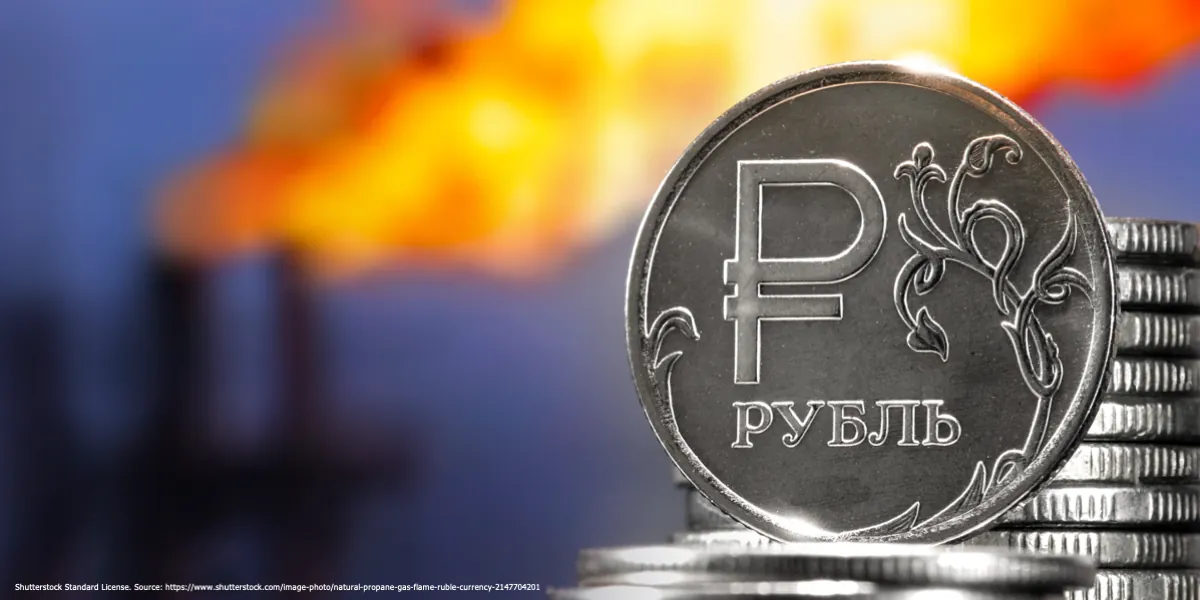
As Russia’s war in Ukraine continues to strain public finances, new efforts to secure funding are emerging. In a recent article published by Dagens.se, analysts examined how the Kremlin is seeking alternative revenue streams as military spending drains the state budget. The piece highlights growing fiscal pressure and the shifting strategies used to sustain wartime expenditures.
Torbjörn Becker, Director of the Stockholm Institute of Transition Economics (SITE), offered expert insight into Russia’s evolving financial approach. He explained that the government is increasingly turning to less conventional sources of income to cover rising costs. Becker noted that these measures reflect both the resilience and the underlying weaknesses of Russia’s economic model under prolonged conflict and sanctions pressure.
The article also explores broader economic implications, including the sustainability of Russia’s fiscal policy and the potential long-term consequences of reallocating resources. It discusses how domestic industries, taxation strategies, and state-controlled sectors may play a larger role in funding the war. At the same time, concerns remain about inflation, investment decline, and structural imbalances within the economy.
To read the full analysis and Torbjörn Becker’s expert commentary on Russia’s wartime finances, visit the original article on Dagens.se.
Further Reading: SITE Report on Russia’s Wartime Economy
For further reading on Russia’s economic outlook and sanctions impact, explore the SITE’ report “Financing the Russian War Economy“.
This in-depth report provides expert analysis on Russia’s fiscal pressures, wartime financing strategies, and long-term growth risks under sanctions. The report expands on themes highlighted by Torbjörn Becker and offers valuable insight into the sustainability of Russia’s economy.