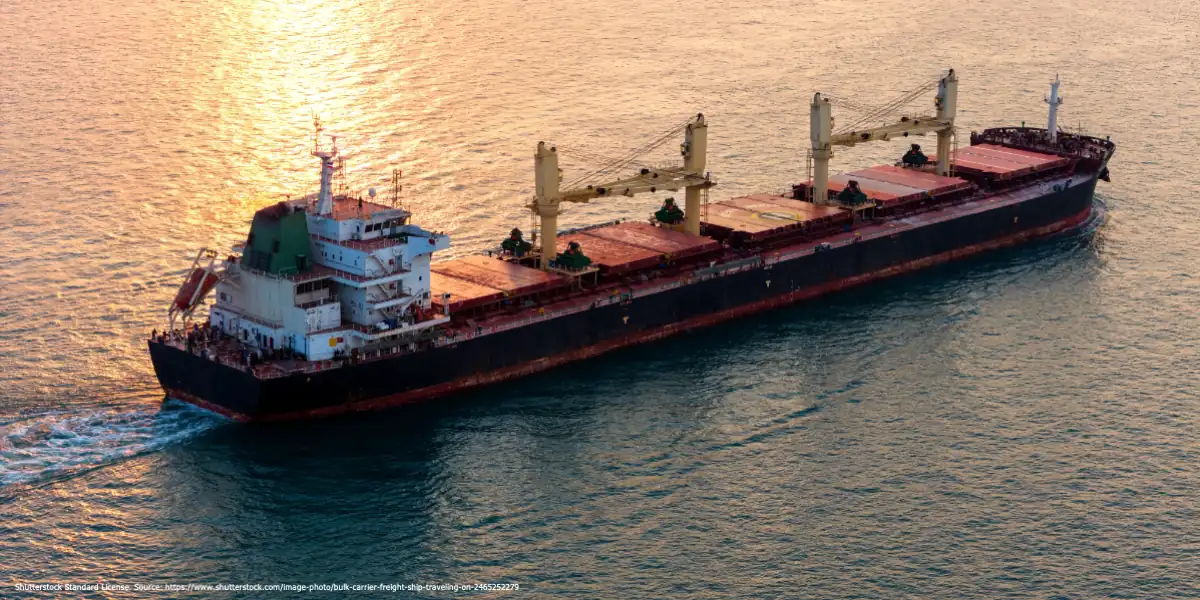
The United Kingdom is considering stronger action against vessels linked to Russia’s so-called shadow fleet. These ships transport Russian oil while avoiding Western sanctions. According to a recent article, British officials are exploring options to seize suspicious tankers operating near European waters. The proposal could increase pressure on Moscow’s oil exports and raise tensions with Russia.
The debate comes as Russia’s energy revenues show signs of decline. Yuliia Pavytska, a sanctions expert at the KSE Institute, highlighted this trend while discussing the broader economic outlook. According to Yuliia Pavytska, the Kremlin’s oil and gas revenues fell by 24 percent in 2025. As a result, they now represent about 22 percent of government income. In 2022, these revenues accounted for roughly 41 percent. Therefore, Yuliia Pavytska noted that sanctions and market shifts are gradually weakening Russia’s fiscal position.
Meanwhile, security concerns about the shadow fleet continue to grow. Intelligence reports show dozens of suspicious vessels moving through the English Channel and the Baltic Sea. Many ships operate under false flags or unclear ownership structures. Consequently, Western governments see the fleet as a key tool for sanctions evasion.
At the same time, policymakers debate how far enforcement should go. Seizing vessels could disrupt Russian exports, but it also carries escalation risks. Some experts suggest that enforcement actions would be safer in distant waters rather than near the Baltic or Arctic regions. In addition, the European Union is considering restrictions on maritime services for Russian ships. Such measures could further limit the operations of Russia’s shadow fleet.
To explore the full discussion and Yuliia Pavytska’s insights, read the complete article. Learn more about the KSE Institute and its research on sanctions, Ukraine’s economic recovery, the Russian Oil Tracker, and other projects on the KSE Institute website.