News

  • Henrik Wachtmeister on Russian Uranium Risks in Sweden’s Fuel Supply

    Henrik Wachtmeister on Russian Uranium Risks in Sweden’s Fuel Supply

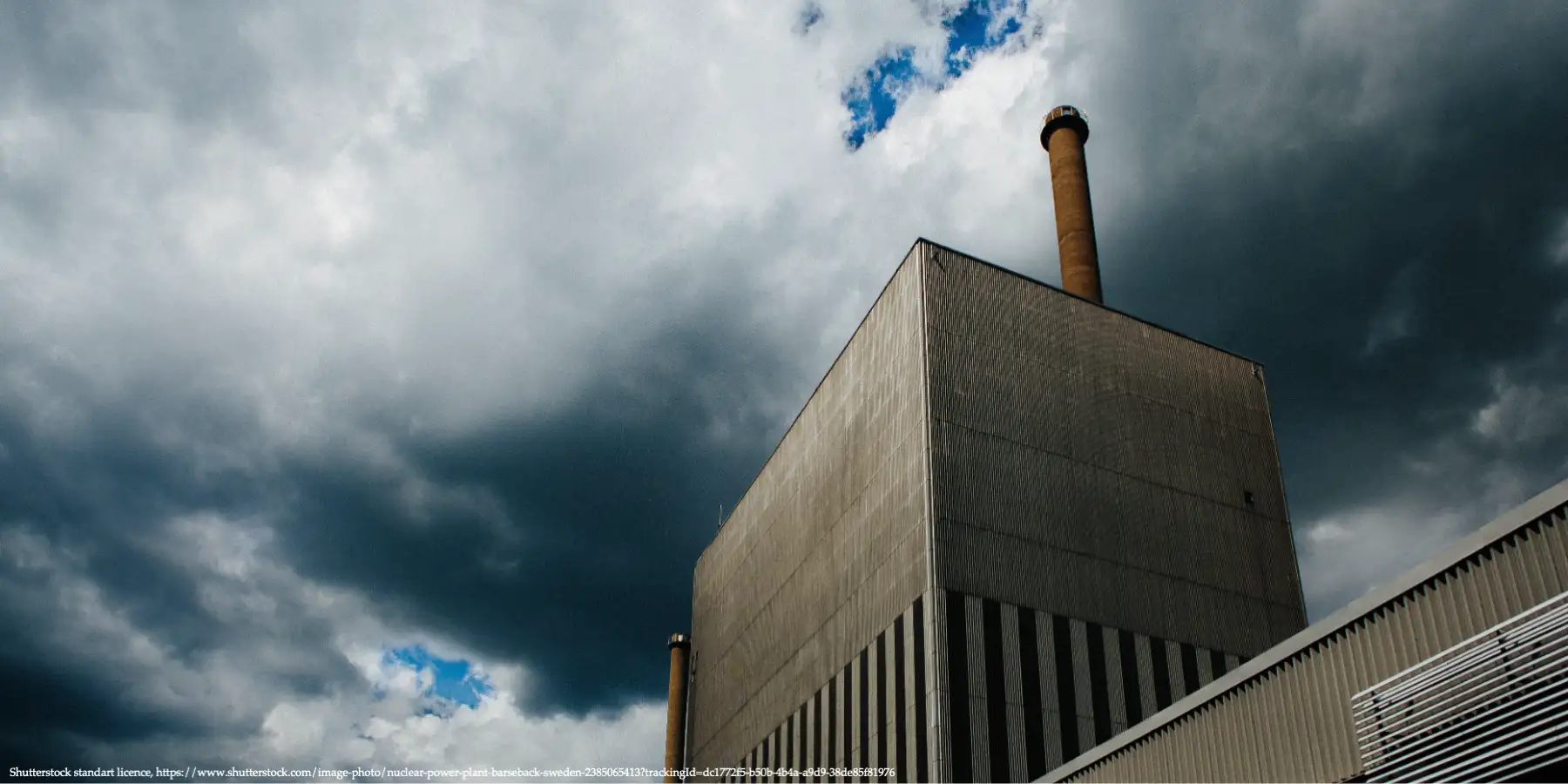
    Despite Sweden halting all direct uranium imports from Russia, Russian-linked material may still enter the country’s nuclear supply chain. In a recent investigation by SVT, reporters examined how Sweden’s nuclear plants source uranium and highlighted the difficulty of tracing its true origin across a complex global market.

    Russia’s Stake in Swedish Uranium Supply

    Henrik Wachtmeister, researcher in global energy systems at the Swedish Institute for International Affairs and Uppsala University, collaborated with SVT on key calculations. He noted that Kazakhstan’s dominant role in global uranium production, combined with Russian ownership stakes, increases the likelihood that Russian-linked uranium reaches Swedish reactors. His analysis shows that if Oskarshamn had continued sourcing evenly from Kazakh producers, Russian-owned companies could have received significant revenue from Swedish demand.

    The article also broadened the discussion, outlining Russia’s substantial share of global enrichment capacity and the EU’s continued reliance on Russian uranium despite wider energy sanctions. With the European Commission pushing a strategy to phase out Russian energy dependencies, the investigation underscored the geopolitical and economic implications for Sweden’s future nuclear expansion and the potential reopening of domestic uranium mining.

    Read the Full Article

    To read SVT’s full reporting and explore Henrik Wachtmeister’s expert insight, visit the complete article on SVT’s website.
  • Benjamin Hilgenstock: Russia’s Budget Projections Mask Deepening Strain

    Benjamin Hilgenstock: Russia’s Budget Projections Mask Deepening Strain

    Russia’s latest budget projections paint a picture of stability, but independent economists warn of a far darker reality. In a recent analysis examining the country’s fiscal path through 2028, experts unpack the widening gap between official forecasts and Russia’s deteriorating economic fundamentals. The commentary reviews the Kremlin’s optimistic deficit targets and the mounting pressures created by sanctions and declining energy revenues.

    “The deficit Russia expects for 2025 is quite significant. It’s true that the projected deficit for 2026 is lower, but these figures are just wishful thinking,” says Benjamin Hilgenstock of the KSE Institute.

    Benjamin Hilgenstock also underscores that Russia’s assumptions rely on unrealistic expectations about oil and gas revenues, despite production already running at full wartime capacity and sanctions set to tighten further.

    The broader analysis also highlights Russia’s constrained access to international markets, its forced reliance on domestic gold sales, and the severe impact of recent sanctions on major energy firms. With foreign currency inflows shrinking and the National Wealth Fund under growing strain, economists argue that Russia is heading toward prolonged fiscal instability. The article places Hilgenstock’s insight within a wider geopolitical strategy, in which sanctions now directly limit the Kremlin’s ability to convert natural resources into viable revenue.

    Read the Full Article

    To read the full commentary and explore Benjamin Hilgenstock’s expert analysis, visit the original article here.

    Further Reading

    Cutting Russia’s revenue requires a coordinated strategy that targets energy exports, essential materials, and critical technologies. Broader trade, financial, and military restrictions also continue to undermine its war effort and limit its global influence.

    For deeper insights into how sanctions shape Russia’s economy, visit the Sanctions Portal Evidence Base. To learn more about Western measures and Russia’s responses, explore the Timeline of Western Sanctions and Russian Countermeasures.

  • Why the EU Should Consider a Transport Ban on Russian Oil?

    Why the EU Should Consider a Transport Ban on Russian Oil?

    A transport ban on Russian oil could hit Russia’s war chest without driving up global oil prices. That’s the key message from a new policy brief by researchers Johan Gars (Beijer Institute), Daniel Spiro (Uppsala University), and Henrik Wachtmeister (Uppsala University, Swedish Institute of International Affairs). They argue the EU can outsmart Russian evasion tactics and restore the power of its sanctions.

    Why the Price Cap Failed to Hold

    After Russia invaded Ukraine in 2022, the EU hit back with oil sanctions. A big one was the G7 price cap on Russian oil. The idea was to cut Russia’s profits while keeping oil flowing to the world. At first, it worked. Russia’s oil sold for less, but exports stayed strong.

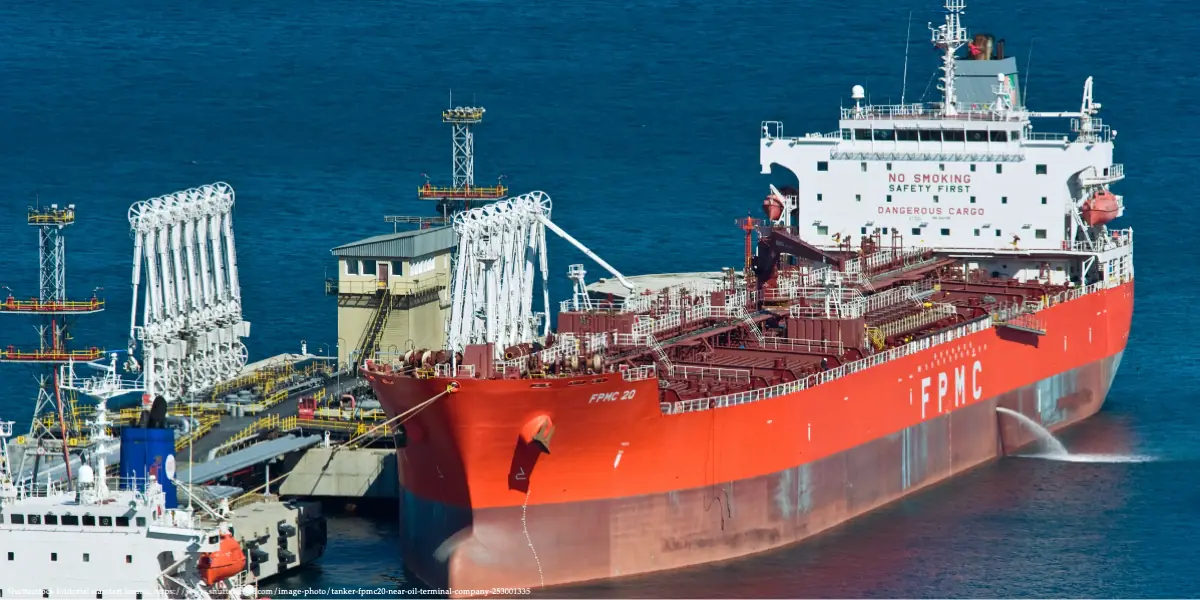
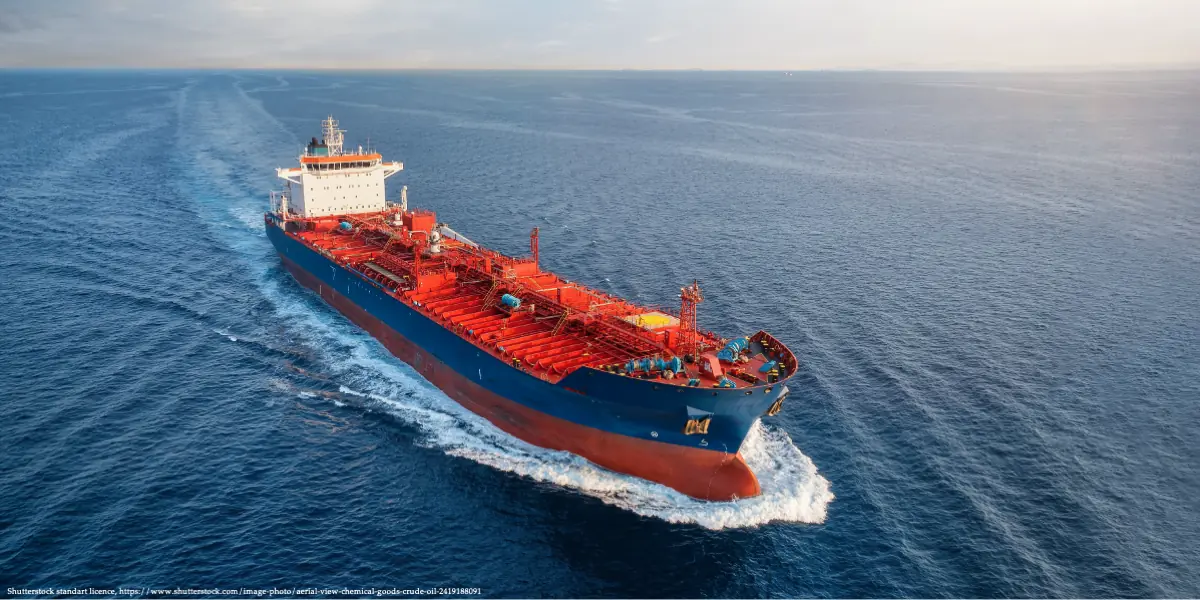
    But over time, Russia found loopholes. A “shadow fleet” of tankers outside Western control started moving Russian oil freely. Many used fake documents to dodge the price cap. By late 2025, only 15% of Russian oil tankers used Western insurance, down from nearly all in early 2023.

    A New Strategy to Cut Russia’s Oil Profits

    Instead of patching up the price cap, the researchers propose a new tactic: a full transport ban on Russian oil. This means any tanker carrying Russian oil would be barred from EU ports and trade, even if the oil seems compliant on paper. This would make shipowners choose: carry Russian oil or keep access to the EU market.

    Key Research Findings

    • The price cap has lost its bite. Shadow fleets and paperwork fraud let Russia bypass Western sanctions.
    • A transport ban targets the tankers. This makes it harder to cheat, as ships can’t hide their movements.
    • Russian oil transport costs would rise. Even a $5 increase per barrel could cut Russia’s GDP by 0.5%.
    • Oil prices likely won’t spike. Russia and its buyers still want the oil to flow, avoiding global shocks.

    What This Means for the EU and the World

    This strategy would hurt Russia’s bottom line while keeping oil supplies stable. It doesn’t need U.S. support to work, thanks to the EU’s control over key ports and sea routes. Still, the plan would work even better if allies like Japan, Canada, and South Korea joined in.

    There are some risks, like aging tankers causing environmental harm. But the authors believe the current shadow fleet already poses that threat, so the risk wouldn’t grow much.

    Read the Full Policy Brief on the FREE Network’s Website

    Read the full report on the FREE Network’s websiteAttachment.tiff to explore the complete findings.

    Further Reading

    Energy exports play a crucial role in Russia’s economy and have long served as a source of geopolitical leverage over dependent countries. Sanctions targeting the energy sector aim to reduce state revenues and diminish Russia’s geopolitical influence. Explore the latest research on sanctions against Russia and its energy industry in the Sanctions Portal Evidence Base section.

    Explore the main sanction packages imposed by Western allies after Russia’s full-scale invasion of Ukraine. Review Russian countermeasures, including retaliatory actions and domestic policies to reduce the sanctions’ impact. Visit the Timeline of Western Sanctions and Russian Countermeasures to learn more.

  • Benjamin Hilgenstock Warns of Risks in EU’s Ukraine Loan Plan

    Benjamin Hilgenstock Warns of Risks in EU’s Ukraine Loan Plan

    The European Union is racing to close Ukraine’s large budget gap before the year’s end. TVP World reports on a proposal for a €136 billion loan backed by frozen Russian assets. The plan aims to support Kyiv as financial pressures grow during Russia’s ongoing invasion.

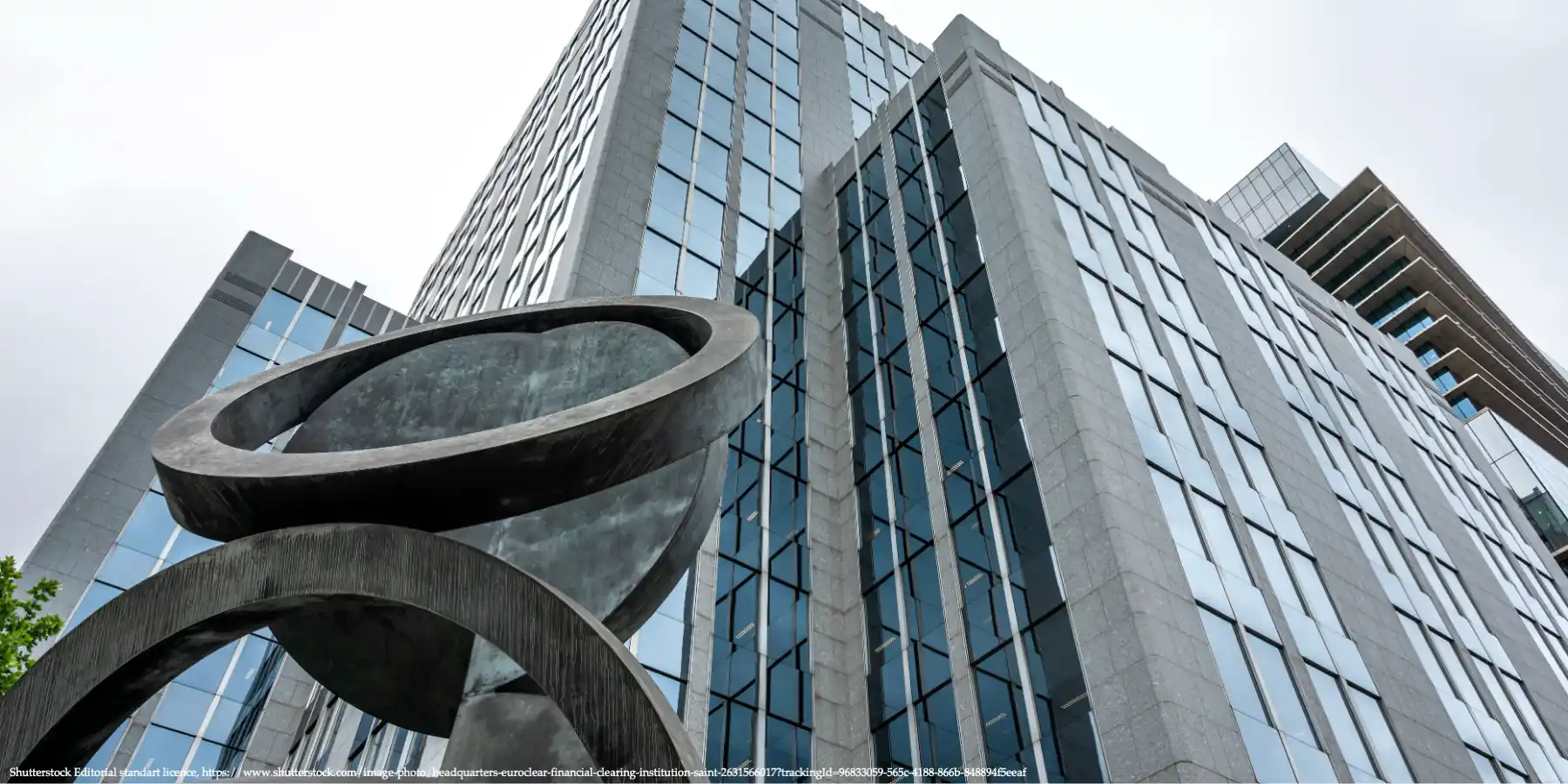
    “There are dangers built into this scheme. It works only as long as sanctions remain in place. If sanctions end, Russia will ask for its money back, and Euroclear will hold EU bonds instead of cash, creating a massive liability for the Union,” said Benjamin Hilgenstock. He explained that this exposure could reach €185 billion, making the loan highly sensitive to political shifts.

    The article also explores the broader stakes. The EU must keep Russia’s assets frozen to roll over the bonds that fund the loan, extending the arrangement until reparations are paid. Legal experts argue that the EU has strong defenses under public international law, yet even a small risk of arbitration worries some member states. Belgium, which hosts Euroclear, has called for extra guarantees before supporting the plan.

    Read the Full Article

    To explore the full context and Benjamin Hilgenstock’s insight, read the coverage in TVP World’s article here.

    Further Reading

    Cutting Russia’s revenue requires a coordinated strategy that targets energy exports, essential materials, and critical technologies. Broader trade, financial, and military restrictions also continue to undermine its war effort and limit its global influence.

    For deeper insights into how sanctions shape Russia’s economy, visit the Sanctions Portal Evidence Base. To learn more about Western measures and Russia’s responses, explore the Timeline of Western Sanctions and Russian Countermeasures.

  • Benjamin Hilgenstock: Russia’s War Economy Nears Breaking Point

    Benjamin Hilgenstock: Russia’s War Economy Nears Breaking Point

    Russia’s war economy remains central to debates on sanctions effectiveness. In recent media coverage of the conference “Guarding the Border: Sanctions, Export Controls, and Corporate Responsibility,” analysts reviewed how current measures pressure Moscow. The discussion also highlighted the limits of sanctions alone and the need for stronger global coordination.

    “Russia tries to create the impression that it is unbeatable and unaffected by sanctions. Yet Europe also erred early on by assuming sanctions would destroy Russia’s economy, which did not happen,” notes Benjamin Hilgenstock from the KSE Institute.

    Hilgenstock also argued that Russia’s war-driven economy is nearing a breaking point as sanctions cause mounting damage. He added that Europe must do more to avoid indirectly financing the conflict through energy imports.

    Moreover, the article explored the broader geopolitical and economic context. It examined Russia’s efforts to replace lost European export markets with China and India and the growing strain from rising budget deficits. In addition, it reviewed the difficulties of enforcing sanctions across different jurisdictions. Hilgenstock stressed that influencing third-country behavior remains essential and pointed to U.S. secondary sanctions as a potentially effective—though controversial—tool. Thus, the discussion underscored that Russia’s resilience is not unlimited and that sustained pressure is key to shaping its strategic choices.

    To read the full coverage featuring Benjamin Hilgenstock’s expert analysis, visit the original article at LV Portal.

    Further Reading

    Reducing Russian income requires a comprehensive approach built on four key areas.

    First, limiting energy exports remains crucial, as these revenues sustain Russia’s fiscal stability. Moreover, tighter controls would reduce Moscow’s ability to finance the war.

    Second, restricting access to critical materials, components, and technologies can weaken Russia’s weapons production. Consequently, these measures constrain the country’s military capacity.

    Third, broader trade and financial restrictions can reduce efficiency and shrink market access across the wider economy. In addition, such measures complicate Russia’s long-term planning.

    Finally, sanctions such as travel bans and airspace restrictions provide symbolic and normative pressure. However, they also create indirect effects by shaping public perception, political behavior, and Russia’s international reputation.

    Explore the latest research on sanctions against Russia in the Sanctions Portal Evidence Base. For an overview of sanction packages imposed since the full-scale invasion and Russia’s countermeasures, visit the Timeline of Western Sanctions and Russian Countermeasures.

  • Benjamin Hilgenstock on the Rising Risks of Russia’s Shadow Fleet

    Benjamin Hilgenstock on the Rising Risks of Russia’s Shadow Fleet

    Russia remains one of the world’s largest oil exporters, and a recent media report reveals how Moscow increasingly depends on a growing “shadow fleet” to sidestep Western sanctions. The article, published by BBC Turkish, notes that hundreds of aging tankers transport Russian crude through the Baltic and Black Seas. Consequently, Europe faces mounting maritime and environmental risks.

    “Russia has assembled a shadow fleet of oil tankers that allows it to evade sanctions. These old, poorly maintained vessels are unlikely to carry adequate insurance against oil spills. About three-quarters of Russia’s seaborne oil exports depart from ports in the Baltic and Black Seas. This means that these ships pass through European waters several times each day,” explains Benjamin Hilgenstock, a senior economist at the KSE Institute.

    Tactics Behind Russia’s Shadow Fleet

    The article also outlines the methods used by these vessels. Many disable tracking systems, change flags, or operate under false identities. In addition, maritime analysts estimate that more than 1,300 tankers now form part of this shadow network. As a result, roughly 80% of Russia’s seaborne exports move without insurance from major International Group–affiliated clubs. In response, NATO members have expanded monitoring efforts across the Baltic Sea, particularly after a series of drone and cable disruption incidents.

    To read the full article, visit the original publication by BBC Turkish. Explore more policy briefs on the Russo-Ukrainian War in the policy brief section.

    Further Reading: Sanctions, Energy, and Russia’s War Economy

    Energy exports remain the backbone of Russia’s economy and a tool of geopolitical leverage. Sanctions targeting this sector aim to reduce state revenue and curb Moscow’s influence abroad.

    Consult the Sanctions Portal Evidence Base to access the latest research on energy sanctions against Russia.

    Review the Timeline of Western Sanctions and Russian Countermeasures to see how both sides have adapted since the full-scale invasion of Ukraine.

  • Benjamin Hilgenstock Examines Russia’s Sanctions-Dodging Shadow Fleet

    Benjamin Hilgenstock Examines Russia’s Sanctions-Dodging Shadow Fleet

    Russia’s reliance on a rapidly expanding “shadow fleet” has become central to its efforts to evade Western sanctions, according to a new investigative feature on maritime smuggling and hybrid threats. The article outlines how hundreds of aging, covertly operated tankers now move the majority of Russia’s oil exports, enabling the Kremlin to sustain revenues despite restrictions imposed after the invasion of Ukraine. The report also links the fleet to broader security concerns, including suspected espionage and sabotage across Europe’s critical undersea infrastructure.

    “Russia has built a shadow fleet of tankers that allows it to bypass sanctions,” says Benjamin Hilgenstock, senior economist at the Kyiv Institute of Economics. “But they are also old, poorly maintained, and likely insufficiently insured against an oil spill.”

    Hilgenstock’s analysis underscores the mounting environmental and economic risks posed by vessels operating under false flags, with manipulated tracking data, and without adequate oversight.

    The article further explores how NATO allies are responding to the rise of these “ghost” and “zombie” ships. European states have tightened maritime monitoring in the Baltic and North Seas, while the Baltic Sentry mission now uses patrol aircraft and naval assets to deter suspected Russian hybrid activity. Yet enforcement remains limited: most interceptions can only occur within territorial waters, leaving vast areas of international seas vulnerable to covert transport and potential sabotage.

    To read the full investigation and Benjamin Hilgenstock’s expert insight, access the complete article through the publishing outlet. For more expert analysis from SITE, visit Insights.

  • Benjamin Hilgenstock: Russia’s Budget Plans Rely on ‘Wishful Thinking’

    Benjamin Hilgenstock: Russia’s Budget Plans Rely on ‘Wishful Thinking’

    Russia’s budget is under heavy strain, as reported by CNN Prima NEWS and The Kyiv Independent. The country is heading into its seventh year of high deficits, driven by growing war costs and weak financial buffers. The government’s new budget for 2026–2028 aims to project stability, but experts say the numbers hide major risks.

    Benjamin Hilgenstock, head of macroeconomic research and strategy at the KSE Institute, questioned the credibility of Russia’s plans.

    “The deficit that Russia expects for 2025 is quite significant. It is true that the planned deficit for 2026 is lower, but these numbers are just wishful thinking,” he said. His comment reflects a wider concern that Russia is understating true costs while overestimating its ability to manage the crisis.

    The article outlines several pressure points. Moscow lacks access to global financial markets and must rely on costly domestic borrowing. China has also refused to offer government loans. Tax increases on companies and consumers bring in extra revenue, but only cover a small part of the growing costs.

    Regional governments face similar limits. Places like St. Petersburg, Samara, Tatarstan, and Bashkortostan have cut recruitment bonuses for volunteer fighters. These cuts show how tight budgets have become across the country. Russia’s arms industry is also struggling. Rising production costs and low profits limit its ability to invest in new capacity.

    Experts note that Russia can still sustain a low-intensity war, which relies on drones, missiles, and local offensives. A heavier, faster pace of fighting would require far more money. Some analysts warn that the government may turn to money printing, a risky step linked to past financial crises.

    Read the Full Article

    To explore the full context and Benjamin Hilgenstock’s insight, read the coverage in CNN Prima NEWS and The Kyiv Independent.

    Further Reading

    Cutting Russia’s income demands a coordinated strategy that targets energy exports, key materials, and critical technologies. Furthermore, broader trade, financial, and military sanctions continue to weaken its war efforts and global influence.

    For deeper insights on how sanctions affect the Russian economy, visit the Sanctions Portal Evidence Base. You can also learn more about Western sanction packages and Russian countermeasures in the Timeline of Western Sanctions and Russian Countermeasures.

  • Torbjörn Becker: Russia Faces Mounting Fiscal Pressures

    Torbjörn Becker: Russia Faces Mounting Fiscal Pressures


    In the recent interview by YLE.fi, Torbjörn Becker, Director of the Stockholm Institute of Transition Economics, discussed widespread misconceptions about Russia’s economy amid the ongoing war in Ukraine. Becker emphasized that Russia’s mounting fiscal pressures are frequently overlooked in public debate, even as the country attempts to project stability.

    “The priorities that have to be made in the state budget are becoming more and more complicated and difficult. We now see that there is not much left of the liquid assets in the national welfare fund. We also see that GDP growth is basically close to zero,” said Torbjörn Becker. His insight points to a government grappling with depleted reserves and questionable official indicators.

    The interview also explored how new U.S. sanctions, drone attacks on refineries, and Russia’s limited borrowing options are reshaping the country’s economic outlook. Moreover, with high interest rates, shrinking fiscal buffers, and rising production constraints, the war economy faces mounting structural strain. Even so, the article stresses that collapse is not imminent. Instead, the economy is adapting under growing pressure. Tax hikes and spending cuts will likely affect ordinary Russians.

    To read the full discussion featuring Torbjörn Becker and explore the broader analysis of Russia’s economic trajectory, visit the original article on YLE.fi. Additionally, for more expert analysis from SITE, visit SITE’s homepage.

    Further Reading

    Cutting Russia’s income demands a coordinated strategy that targets energy exports, key materials, and critical technologies. Furthermore, broader trade, financial, and military sanctions continue to weaken its war efforts and global influence.

    For deeper insights on how sanctions affect the Russian economy, visit the Sanctions Portal Evidence Base. You can also learn more about Western sanction packages and Russian countermeasures in the Timeline of Western Sanctions and Russian Countermeasures.

  • Torbjörn Becker: Gunvor’s Withdrawal Tests U.S. Sanctions Resolve

    Torbjörn Becker: Gunvor’s Withdrawal Tests U.S. Sanctions Resolve

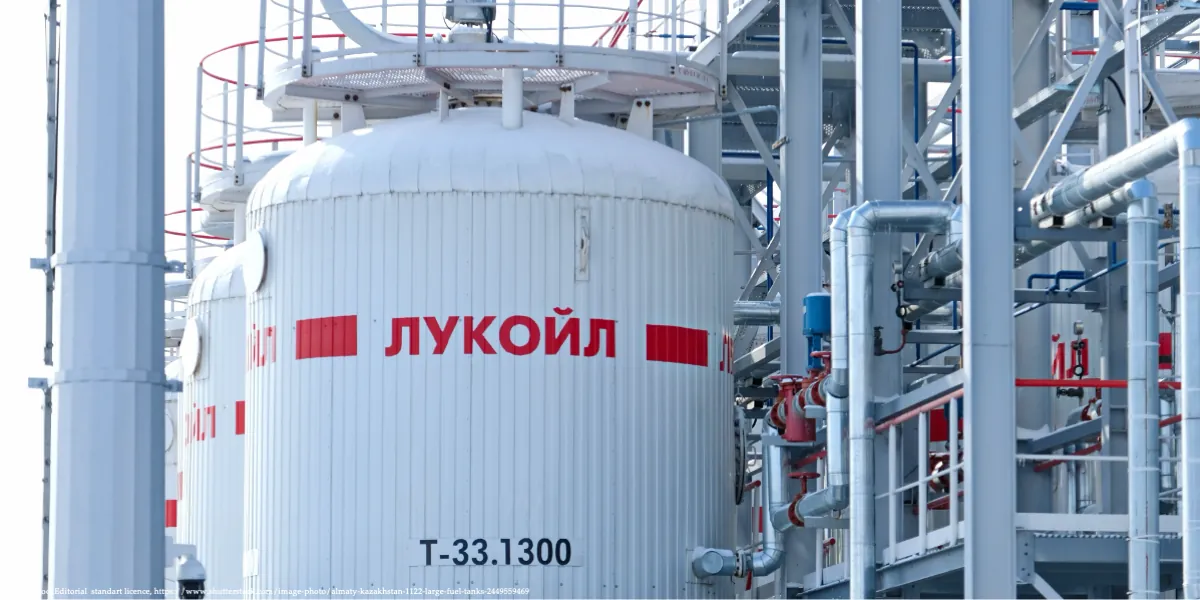
    Swedish energy trader Gunvor has withdrawn its bid for Lukoil’s international assets following strong criticism from the U.S. Treasury Department. The decision marks a sharp turn in a deal that had prompted intense scrutiny, as new U.S. sanctions reshaped the landscape for Russian oil transactions. EFN reported extensively on the development and the wider implications for sanctions policy.

    “The transaction would be a test of how seriously the sanctions from the American side are meant to be taken,” says Torbjörn Becker, the Director of SITE.

    Torbjörn Becker also emphasized Gunvor’s long-standing role in Russian oil trading.

    “We know that Gunvor was an important part of the Russian oil trade even before the war and now it continues that way. You use the contacts you have,” Becker told EFN.

    The EFN coverage also highlighted the escalation following the U.S. Treasury’s post, calling Gunvor a “Kremlin puppet,” a statement that prompted Gunvor to withdraw its offer despite rejecting the accusation as “fundamentally incorrect and untrue.” The exchange underscored how political messaging and regulatory risk are shaping today’s energy markets, especially as the U.S. intensifies sanctions enforcement.

    To read the full article featuring Torbjörn Becker’s expert analysis, visit EFN’s coverage here.

    Further Reading

    Energy exports play a crucial role in Russia’s economy and have long served as a source of geopolitical leverage over dependent countries. Sanctions targeting the energy sector aim to reduce state revenues and diminish Russia’s geopolitical influence. Explore the latest research on sanctions against Russia and its energy industry in the Sanctions Portal Evidence Base section.

    Explore the main sanction packages imposed by Western allies after Russia’s full-scale invasion of Ukraine. Review Russian countermeasures, including retaliatory actions and domestic policies to reduce the sanctions’ impact. Visit the Timeline of Western Sanctions and Russian Countermeasures to learn more.

    For more expert analysis from SITE, visit SITE’s website.