News

  • Maria Perrotta Berlin: Trump’s Sanctions Hit Russia’s Oil Giants

    Maria Perrotta Berlin: Trump’s Sanctions Hit Russia’s Oil Giants

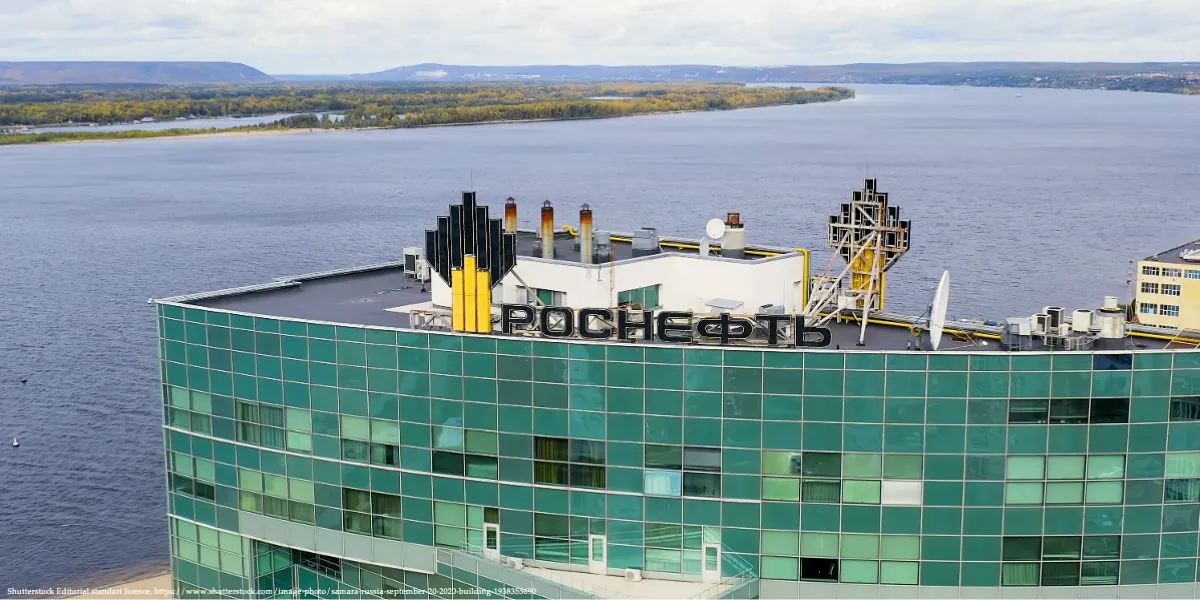
    In a new article from the Associated Press (AP), the U.S. and European Union have announced fresh sanctions targeting Russia’s leading oil producers, Rosneft and Lukoil, aiming to curb revenues funding Moscow’s war in Ukraine. The move marks the Trump administration’s first major sanctions package targeting Russia’s oil, since returning to office, signaling a tougher stance toward the Kremlin’s war economy and its global oil trade.

    “The sanctions are large and powerful, but they have always come a little too late,” said Maria Perrotta Berlin, Assistant Professor at the Stockholm Institute of Transition Economics (SITE).

    She explained that Russia’s extensive network of traders and its “shadow fleet” have enabled it to adjust to previous rounds of restrictions. However, Maria Perrotta Berlin noted that the latest measures, which threaten secondary sanctions on Indian and Chinese refiners, could have a more immediate chilling effect on Russian oil exports.

    The AP article also highlights how these sanctions aim to pressure President Vladimir Putin into accepting President Donald Trump’s proposal for an “immediate ceasefire.” Analysts caution that while the sanctions may not cripple Russia’s economy overnight, they could increase long-term costs, reduce oil revenue, and expose vulnerabilities in Moscow’s energy strategy. The EU’s parallel move to ban Russian LNG imports and sanction 117 additional tankers adds to the growing pressure on Russia’s fossil fuel sector.

    To read Maria Perrotta Berlin’s full commentary and detailed analysis on how Trump’s sanctions shifted Russia’s oil policy, see the full AP article in the Associated Press here.

    Further Reading

    Energy exports play a crucial role in Russia’s economy and have long served as a source of geopolitical leverage over dependent countries. Sanctions targeting the energy sector aim to reduce state revenues and diminish Russia’s geopolitical influence. Explore the latest research on sanctions against Russia and its energy industry in the Sanctions Portal Evidence Base section.

    Explore the main sanction packages imposed by Western allies after Russia’s full-scale invasion of Ukraine. Review Russian countermeasures, including retaliatory actions and domestic policies to reduce the sanctions’ impact. Visit the Timeline of Western Sanctions and Russian Countermeasures to learn more.

    For more expert analysis from SITE, visit SITE’s website.
  • Benjamin Hilgenstock: Russia’s budget is under strain

    Benjamin Hilgenstock: Russia’s budget is under strain


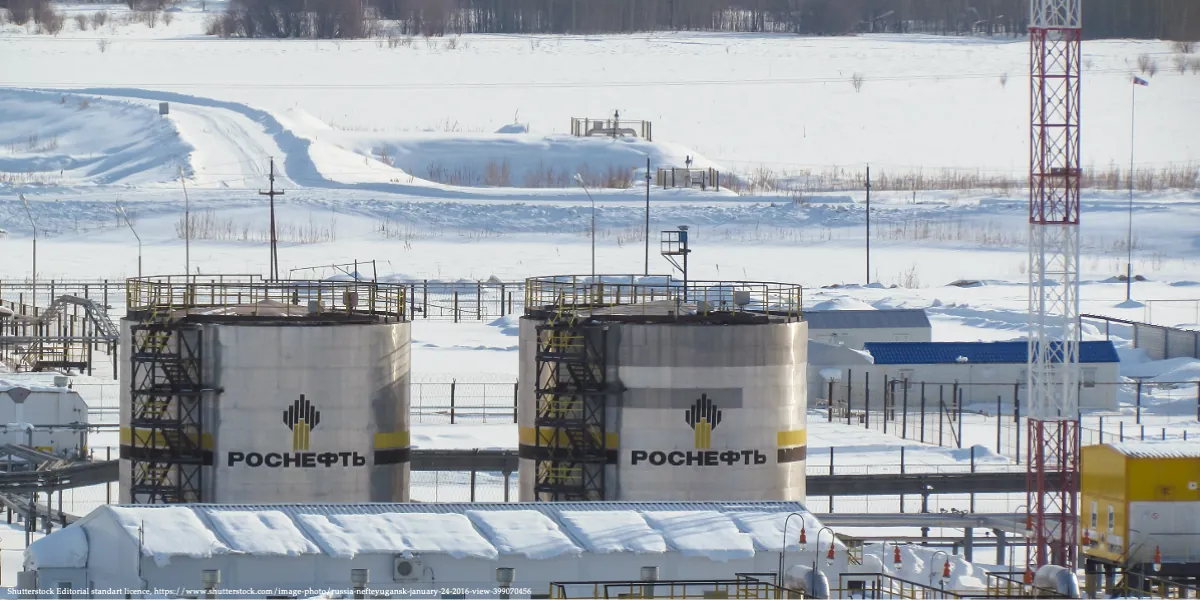
    In a recent India.com analysis titled “US Oil War: How Washington’s Bid to Stop Putin Is Forcing India and China to Ditch the Dollar,” experts revealed how Russia’s budget strain is deepening under U.S. financial sanctions that are reshaping global oil markets. The report highlights Washington’s aggressive use of secondary sanctions on Russian energy giants Rosneft and Lukoil, pressuring countries like India and China to balance economic opportunity with Western compliance and driving major shifts across Asia’s energy landscape.

    “Russia’s budget is under strain, Putin has consistently demonstrated his willingness to accept economic pain rather than appear defeated,” said Benjamin Hilgenstock from the Kyiv School of Economics.

    His assessment underscores how Russia continues to absorb financial pressure in pursuit of political goals despite a 20% drop in energy revenues this year.

    The article situates Hilgenstock’s analysis within a broader discussion of sanctions-driven shifts in global finance. From rupee-ruble and yuan-based transactions to expanding efforts by India and China to bypass the dollar. These developments, India.com reports, could accelerate long-term “de-dollarization,” challenging the dominance of the U.S. financial system while complicating Western efforts to isolate Russia.

    To read the full article and Benjamin Hilgenstock’s commentary, visit India.com.

    Further Reading

    Reducing Russian income requires a comprehensive approach centered on four key areas.

    • The foremost priority is limiting energy exports, as these generate major revenues and sustain Russia’s fiscal stability through their deep economic influence.
    • The next step is restricting access to critical materials, components, and technologies vital for weapons production, thereby constraining Russia’s military capacity.
    • A third layer focuses on broader trade and financial restrictions, designed to reduce efficiency and market access across the economy.
    • Finally, sanctions such as individual travel bans and airspace restrictions serve primarily symbolic and normative purposes but also exert meaningful indirect effects by influencing public perception, political behavior, and international reputation.

    Explore the latest research on sanctions against Russia in the Sanctions Portal Evidence Base section. Learn about the main sanction packages imposed by Western allies following Russia’s full-scale invasion of Ukraine, as well as Russian countermeasures, by visiting the Timeline of Western Sanctions and Russian Countermeasures.

  • Aage Borchgrevink: Kongsberg’s Russia Link and Violation of Sanctions Threaten Regional Security

    Aage Borchgrevink: Kongsberg’s Russia Link and Violation of Sanctions Threaten Regional Security

    Norway faces a new sanctions scandal after revelations about defense firm Kongsberg Gruppen. NRK reports that Kongsberg’s high-tech equipment allegedly reached Russia through a third-party buyer. The devices may now help Moscow monitor NATO naval activity in the Barents Sea. The Norwegian Helsinki Committee (NKH) has asked the authorities to investigate possible violations of export laws.

    “Russia is waging an aggressive war against Ukraine, and any support of its military capabilities by a Norwegian company is irresponsible and endangers regional security,” said Aage Borchgrevink, senior adviser at NHC.

    His remarks highlight growing concern over weak export controls and Norway’s role in preventing dual-use technology from reaching Russia.

    Norwegian officials responded quickly. The government called on the PST counterintelligence agency to open an investigation. Lawmakers described the situation as alarming and said it undermines trust in Norway’s export control system. Deputy Foreign Minister Eivind Vad Petersson confirmed that the case merits scrutiny, stressing that Norwegian technology must not “fall into the wrong hands.”

    The case echoes the 1985 “Kongsberg–Toshiba” scandal, when similar exports reached the Soviet Union. That incident reshaped Norway’s defense oversight for decades. Aage Borchgrevink urged transparency from Kongsberg and full clarification from the company.

    Read the full article and Aage Borchgrevink’s commentary on Portal Morski.

    For more expert insights from the Norwegian Helsinki Committee (NHC), visit the NHC website.

    Further Reading

    Reducing Russia’s income requires a coordinated strategy targeting energy exports, critical materials, and key technologies that sustain its economy and military. Broader trade, financial, and military sanctions further weaken Russia’s war efforts and international standing.

    Explore the latest research on sanctions against Russia in the Sanctions Portal Evidence Base section. Learn about the main sanction packages imposed by Western allies following Russia’s full-scale invasion of Ukraine, as well as Russian countermeasures, by visiting the Timeline of Western Sanctions and Russian Countermeasures.

  • Petras Katinas on U.S. Sanctions Targeting Russia’s Oil Industry

    Petras Katinas on U.S. Sanctions Targeting Russia’s Oil Industry

    Foreign Policy has published a new analysis titled “Will Trump’s Russia Oil Sanctions Finally Sway Putin?”, exploring the far-reaching impact of the latest U.S. sanctions targeting Russia’s energy sector. The piece highlights how the Trump administration’s sanctions against Rosneft and Lukoil, Russia’s largest state-linked oil companies, aim to cut off crucial oil export revenues that fund the Kremlin’s ongoing war in Ukraine.

    According to Petras Katinas, an analyst at the Centre for Research on Energy and Clean Air (CREA) in Finland, these sanctions represent a significant escalation in Washington’s strategy:

    “These sanctions touch all Russian crude oil, by pipeline and by sea,” Katinas explained. “The administration didn’t go after specific refiners—they went after the companies and their subsidiaries.”

    This broad targeting, Katinas noted, extends legal and financial risk to any global company that trades with Rosneft or Lukoil, amplifying the sanctions’ global deterrent effect and reshaping energy market behavior.

    The Foreign Policy article situates these measures within a broader Western sanctions campaign aimed at isolating Russia’s energy trade. Following similar actions by the European Union and the United Kingdom, these sanctions mark a unified transatlantic effort to weaken Russia’s war economy.

    To read Petras Katinas’s full commentary and the complete Foreign Policy article, visit Foreign Policy. For more expert analysis from the Centre for Research on Energy and Clean Air (CREA), visit the institute’s homepage.

    Further Reading

    Energy exports play a crucial role in Russia’s economy and have long served as a source of geopolitical leverage over dependent countries. Sanctions targeting the energy sector aim to reduce state revenues and diminish Russia’s geopolitical influence. Explore the latest research on sanctions against Russia and its energy industry in the Sanctions Portal Evidence Base section.

  • Benjamin Hilgenstock on Closing Sanctions Gaps Against Russia

    Benjamin Hilgenstock on Closing Sanctions Gaps Against Russia


    Despite multiple rounds of Western sanctions, Russian drones and missiles continue to contain Western-made components. In Deutsche Welle’s report “Western parts in Russian drones: Are sanctions working?” KSE expert Benjamin Hilgenstock joins the discussion on why export controls have struggled to close sanctions gaps against Russia.

    “Export controls on many of these goods were imposed right at the beginning of the major Russian offensive, in the spring of 2022. Yet, many of these sanctioned components still reach Russia through complex trade networks involving intermediaries in countries like China, the United Arab Emirates, Turkey, and Kazakhstan,” says Benjamin Hilgenstock, a senior economist at the Kyiv School of Economics (KSE).

    The DW article outlines how these indirect supply chains, often beyond EU jurisdiction, allow restricted technology to re-enter Russian markets. Hilgenstock highlighted that while sanctions raise costs and slow production in Russia, “there are still gaps, and these gaps could be closed.” He also pointed to the financial sector as a model, suggesting that manufacturers of restricted goods should face stronger due diligence obligations to prevent diversion.

    For the full analysis and Benjamin Hilgenstock’s commentary on sanctions enforcement and export controls, read the complete article on Deutsche Welle here.

    Further Reading

    Reducing Russia’s capacity to sustain its war against Ukraine demands a comprehensive strategy built around four core pillars.

    • The first priority is curbing energy exports, which provide crucial revenues and underpin Russia’s fiscal resilience through their far-reaching economic impact.
    • Next is restricting access to essential materials, components, and technologies used in weapons manufacturing, a key step in limiting Russia’s military production capabilities.
    • A third dimension involves tightening broader trade and financial restrictions to diminish economic efficiency and restrict market access.
    • Finally, sanctions such as individual travel bans and airspace closures play a primarily symbolic and normative role, yet they also exert indirect influence by shaping public opinion, political conduct, and Russia’s international standing.

    Explore the latest research on sanctions against Russia in the Sanctions Portal Evidence Base section. Learn about the main sanction packages imposed by Western allies following Russia’s full-scale invasion of Ukraine, as well as Russian countermeasures, by visiting the Timeline of Western Sanctions and Russian Countermeasures.

  • Torbjörn Becker: Drone Attacks Hit Russia’s War-Financing Revenues

    Torbjörn Becker: Drone Attacks Hit Russia’s War-Financing Revenues

    A wave of Ukrainian drone attacks on Russian oil refineries has caused widespread gasoline shortages across the country. These strikes deal a direct blow to Russia’s revenues from its crucial energy sector.

    In a feature by Finland’s public broadcaster YLE, experts examined the coordinated attacks and their growing economic impact. At least 14 of Russia’s 38 refineries were damaged, disrupting about 20 percent of national refining capacity. The campaign marks a new phase in Ukraine’s effort to erode Russia’s revenues and weaken its war economy.

    “They remind the Russian people that there is a war going on in Ukraine. But it also hits Russian revenues. Russia’s oil and gas revenues are absolutely crucial for financing the offensive war against Ukraine,” said Torbjörn Becker, Director of the Stockholm Institute of Transition Economics.

    Torbjörn Becker also highlights how economic pressure has become a key element in Ukraine’s broader defense strategy.

    The article also discussed the economic and political fallout within Russia. Gasoline shortages have been recorded in at least 21 regions, forcing authorities to extend export bans and impose rationing. Analysts warned that sustained attacks could force refinery shutdowns, hinder exports, and damage Russia’s reputation as a stable energy supplier. Becker added that the strikes might create ripple effects across global energy markets, amplifying uncertainty.

    To explore the full article and Torbjörn Becker’s insights, read the complete report on YLE here. For more expert analysis from the Stockholm Institute of Transition Economics, visit SITE’s webpage.

    Further Reading

    Reducing Russia’s financial capabilities to wage the unjust war against Ukraine requires a comprehensive approach centered on four key areas.

    • The foremost priority is limiting energy exports, as these generate major revenues and sustain Russia’s fiscal stability through their deep economic influence.
    • The next step is restricting access to critical materials, components, and technologies vital for weapons production, thereby constraining Russia’s military capacity.
    • A third layer focuses on broader trade and financial restrictions, designed to reduce efficiency and market access across the economy.
    • Finally, sanctions such as individual travel bans and airspace restrictions serve primarily symbolic and normative purposes but also exert meaningful indirect effects by influencing public perception, political behavior, and international reputation.

    Explore the latest research on sanctions against Russia in the Sanctions Portal Evidence Base section. Learn about the main sanction packages imposed by Western allies following Russia’s full-scale invasion of Ukraine, as well as Russian countermeasures, by visiting the Timeline of Western Sanctions and Russian Countermeasures.

  • Henrik Wachtmeister: Russia’s Growing Shadow Fleet And Rising Security Risks

    Henrik Wachtmeister: Russia’s Growing Shadow Fleet And Rising Security Risks

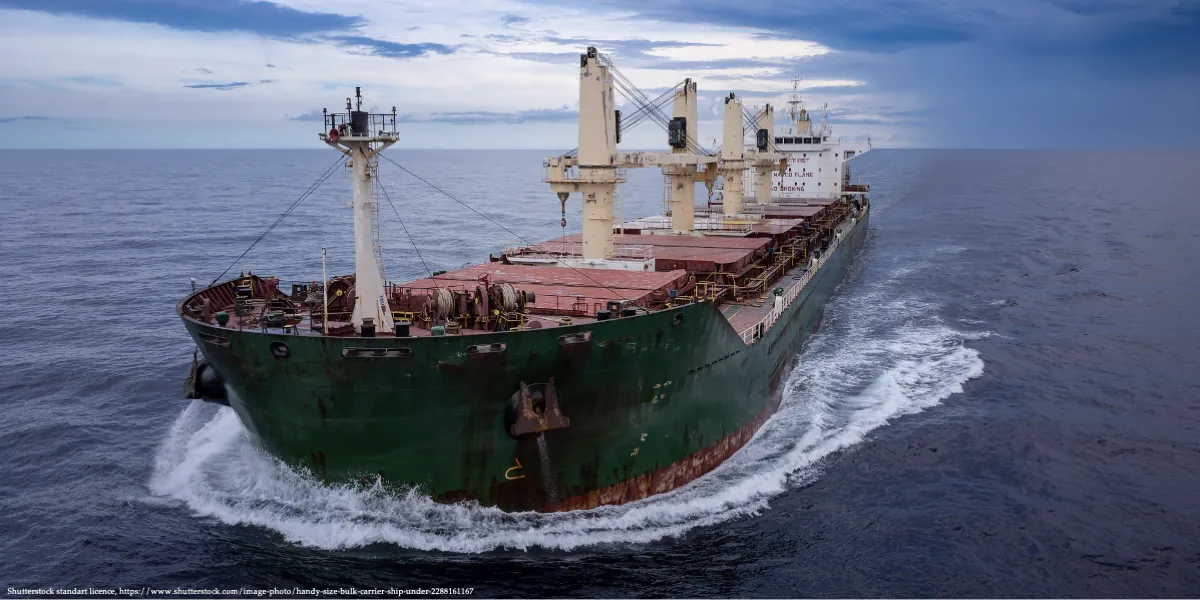
    A Russian cargo ship tied to Russia’s growing shadow fleet docked near Finland’s Olkiluoto nuclear power plant, raising fresh security concerns across Northern Europe. According to Dagens Nyheter, this covert network of oil tankers continues to operate beyond Western oversight despite years of sanctions. Henrik Wachtmeister’s analysis highlights how Russia’s growing shadow fleet enables Moscow to sustain vital energy exports and weaken the impact of Western restrictions.

    “The Russian shadow fleet has grown explosively. In total, it may include 600–1,000 tankers that transport 90 percent of all Russian crude oil,” said Henrik Wachtmeister, Associate Professor of Energy Systems in the Department of Earth Sciences, Natural Resources and Sustainable Development at Uppsala University.

    Wachtmeister’s analysis reveals how this vast fleet enables Russia to sustain exports and weaken the impact of Western restrictions.

    The DN article describes the vessel Scanlark, which sails under a Caribbean flag and carries a mainly Russian crew. German special forces raided the ship earlier after suspecting intelligence activity. Finnish authorities, including the Coast Guard and Customs, have now increased surveillance. They warn that Russia’s shadow fleet could support hybrid warfare against Europe’s critical infrastructure.

    To read the full feature and Henrik Wachtmeister’s expert commentary on Russia’s shadow fleet and its global implications, visit Dagens Nyheter.

    Further Reading

    Cutting Russia’s income demands a coordinated strategy that targets energy exports, key materials, and critical technologies. Broader trade, financial, and military sanctions continue to weaken its war efforts and global influence.

    For deeper insights on how sanctions affect the Russian economy, visit the Sanctions Portal Evidence Base. Learn more about Western sanction packages and Russian countermeasures in the Timeline of Western Sanctions and Russian Countermeasures.

  • Torbjörn Becker on Sanctions Evasion via Third Countries

    Torbjörn Becker on Sanctions Evasion via Third Countries

    Aftonbladet reports that Russian drones shot down in Ukraine contained ball bearings labeled “SKF,” despite sanctions banning such exports. The Gothenburg-based manufacturer SKF is subject to sanctions that prohibit sales to Russia. Yet Aftonbladet found SKF ball bearings from the company’s Chinese factory on Russian drones.

    SKF denies making the parts and says they are counterfeits. According to Russian customs data and Corisk’s analysis, up to half a billion SEK in SKF-labeled products may have reached Russia through indirect or shadow trade routes.

    “It is a violation of sanctions if you knowingly sell a product to, for example, Turkey and you know that the Turkish company will send it on to Russia,” Torbjörn Becker, Director of the Stockholm Institute of Transition Economics (SITE) told Aftonbladet. However, he noted that proving intent remains a major legal hurdle for prosecutors.

    In follow-up comments to Göteborgs-Posten, Becker reflected on the complexity of tracing such supply chains. While counterfeit products are common in Russia and other sanctioned economies, he questioned whether the country possesses the capability to reproduce high-tech components like precision ball bearings. He added that the copying might occur elsewhere before reaching Russia through parallel markets.

    To read the full report and Torbjörn Becker’s expert commentary, visit Aftonbladet and Göteborgs-Posten.

    Further Reading

    Sanctions on trade target critical goods, technologies, and supply chains to disrupt Russia’s economic activity and limit access to resources that support its war effort. These measures aim to raise the cost of aggression by restricting exports to and imports from Russia. Explore the latest research on trade sanctions against Russia in the Sanctions Portal Evidence Base section.

    Explore the main sanction packages imposed by Western allies after Russia’s full-scale invasion of Ukraine. Review Russian countermeasures, including retaliatory actions and domestic policies to reduce the sanctions’ impact. Visit the Timeline of Western Sanctions and Russian Countermeasures to learn more.

    For more expert analysis and policy briefs from SITE, visit SITE’s website.
  • Petras Katinas: The Baltic countries have Reduced their dependence on Russian fossil fuels

    Petras Katinas: The Baltic countries have Reduced their dependence on Russian fossil fuels

    As Europe heads into another winter, energy security remains under close watch. In Deutsche Welle’s recent feature “Is Europe Ready for Winter?”, experts examined whether the continent’s gas reserves and diversified energy sources can withstand new geopolitical shocks, including U.S. President Donald Trump’s proposed tariffs on buyers of Russian gas.

    “The Baltic countries have done a great job of reducing their dependence on Russian fossil fuels, while Poland has largely eliminated Russian gas,” said Petras Katinas, energy analyst at the Centre for Research on Energy and Clean Air (CREA). He noted that progress was “uneven” in other Visegrad countries due to limited diversification and investment in renewable energy sources.

    Petras Katinas also noted that Europe’s current gas storage levels and alternative supplies provide “a solid shield” against potential disruptions. “However, rapid withdrawals and weather fluctuations can still trigger temporary price spikes or localized shortages,” Katinas told DW, emphasizing that flexibility and regional cooperation will be key to stability through the cold months.

    The article also explored how Europe’s diversification efforts, shifting toward LNG imports from Norway, the United States, and Qatar, alongside expanded renewable capacity, have reduced dependence on Russian gas. Yet, Trump’s tariff threats toward countries importing Russian energy, and the recent end of gas transit through Ukraine, continue to inject uncertainty into the market. Analysts highlighted that while supplies appear sufficient, political risks could still unsettle prices.

    To read Petras Katinas’s full insights and the complete analysis, visit the original article in Deutsche Welle.

    Further Reading

    Energy exports are vital to Russia’s economy and have long provided geopolitical leverage over energy-dependent nations. Sanctions on the energy sector seek to limit state revenues and weaken Russia’s international influence. Discover the latest studies on sanctions against Russia and its energy sector in the Sanctions Portal Evidence Base section.

    Examine the key sanction packages introduced by Western allies following Russia’s full-scale invasion of Ukraine. Review Russia’s countermeasures, including retaliatory steps and domestic strategies to ease the sanctions’ effects. Visit the Timeline of Western Sanctions and Russian Countermeasures to learn more.

    For more expert analysis from the Centre for Research on Energy and Clean Air (CREA) and Petras Katinas, visit the CREA website.

  • Henrik Wachtmeister: Russia Risks Deeper Dependence on China

    Henrik Wachtmeister: Russia Risks Deeper Dependence on China

    Russia’s ambitious “Power of Siberia 2” gas pipeline project aims to deliver 50 billion cubic meters of gas annually to China, strengthening energy ties between Moscow and Beijing. In a recent article titled “Power of Siberia 2: China Could Still Fail Pipeline Project with Russia”, experts discussed whether Beijing’s hesitation could stall the project despite a new agreement signed by both sides.

    “For Russia, China is its most important trading partner; the reverse is not true. Power of Siberia 2 could make Russia even more dependent on its most important trading partner, China,” noted Henrik Wachtmeister of the Department of Earth Sciences at Uppsala University.

    The article highlighted growing skepticism among analysts about whether China will follow through with the deal. High construction costs, uncertain financing, and Beijing’s diversified energy strategy, spanning Turkmenistan, Kazakhstan, and domestic renewables, suggest that China holds the stronger position in negotiations. For Moscow, whose European gas markets have evaporated under sanctions, China’s participation is vital both economically and politically.

    To read Henrik Wachtmeister’s full commentary and the broader discussion on the future of Russia-China energy cooperation, see the complete article “Power of Siberia 2: China Could Still Fail Pipeline Project with Russia.”

    Further Reading

    Energy exports play a crucial role in Russia’s economy and have long served as a source of geopolitical leverage over dependent countries. Sanctions targeting the energy sector aim to reduce state revenues and diminish Russia’s geopolitical influence. Explore the latest research on sanctions against Russia and its energy industry in the Sanctions Portal Evidence Base section.

    For more expert analysis from the Uppsala University experts, visit the Uppsala University homepage.