News

  • Yuliia Pavytska: Europe Tightens Pressure on Russia’s Shadow Fleet

    Yuliia Pavytska: Europe Tightens Pressure on Russia’s Shadow Fleet

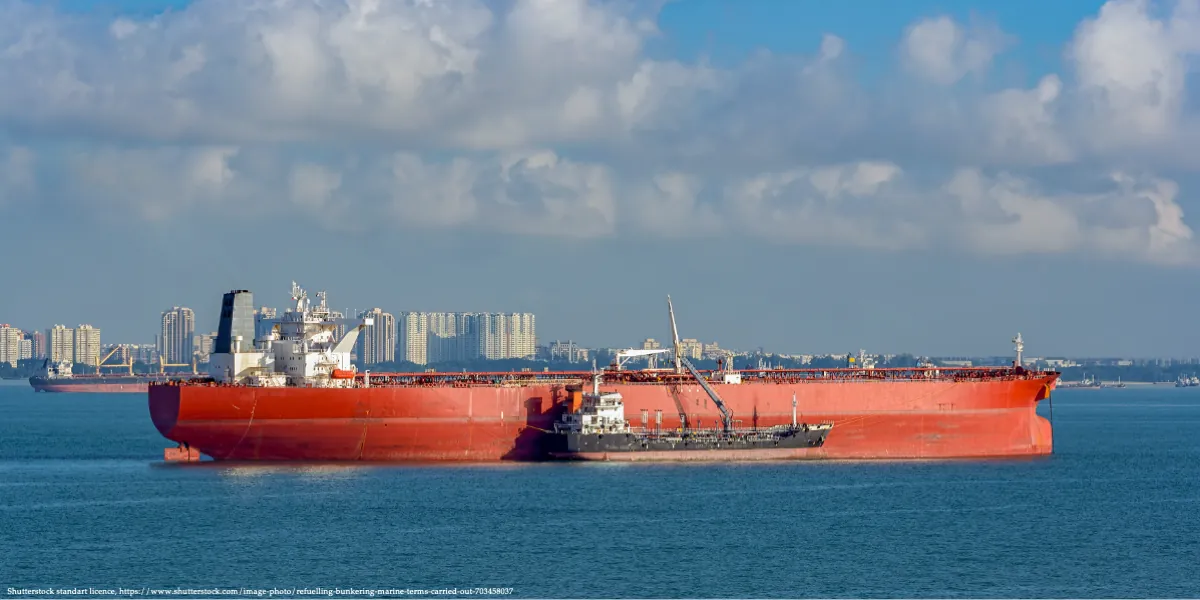
    Europe and the United States are stepping up enforcement against Russia’s so-called shadow fleet. In a recent report by El Periódico, authorities detailed coordinated maritime operations targeting vessels accused of evading oil sanctions. The article outlines ship interceptions in the Mediterranean and North Atlantic, as well as growing pressure in the Baltic Sea.

    Yuliia Pavytska, Head of the Sanctions Program at the Kyiv School of Economics, emphasized that recent political moves are a step forward but remain limited.

    “The declaration is positive, but for now it remains largely a political statement,” Yuliia Pavytska noted.

    She added that European partners increasingly recognize the broader threat posed by Russia’s shadow fleet. According to Yuliia Pavytska, these vessels are not only a revenue source for Moscow and an environmental risk, but also a direct security threat. She pointed to instances where hybrid attacks were allegedly launched from shadow fleet ships.

    The article details France’s seizure of a tanker sailing under a false flag and U.S. interceptions of vessels linked to sanctions evasion. Fourteen European countries have also urged maritime authorities to address GPS interference and AIS manipulation in the Baltic Sea. These tactics, widely attributed to Russian-linked vessels, raise concerns over navigation safety and regional stability. The report highlights that an estimated 65 percent of Russia’s seaborne oil exports may rely on such ships.

    Yuliia Pavytska’s analysis underscores that while enforcement actions increase operational costs for Russia, further legal and coordinated measures are needed. To read the full article and Yuliia Pavytska’s expert insight, visit El Periódico.

    Further Reading

    Energy exports play a central role in Russia’s economy. Moscow has long used them as a source of geopolitical leverage. Sanctions targeting the energy sector aim to reduce state revenue and weaken global influence. Explore the latest research on sanctions against Russia and its energy industry in the Sanctions Portal Evidence Base section.

  • Petras Katinas: December 2025 Russian Fossil Fuel Export Trends and Sanctions

    Petras Katinas: December 2025 Russian Fossil Fuel Export Trends and Sanctions

    In the December 2025 Monthly Analysis of Russian Fossil Fuel Exports and Sanctions, the Centre for Research on Energy and Clean Air (CREA) examines how Moscow’s fossil fuel trade evolved under sanctions. Petras Katinas and his colleagues authored the report.

    It shows that Russia’s daily fossil fuel export revenues fell slightly to about €500 million per day. This marks one of the lowest revenue levels since the full-scale invasion of Ukraine.

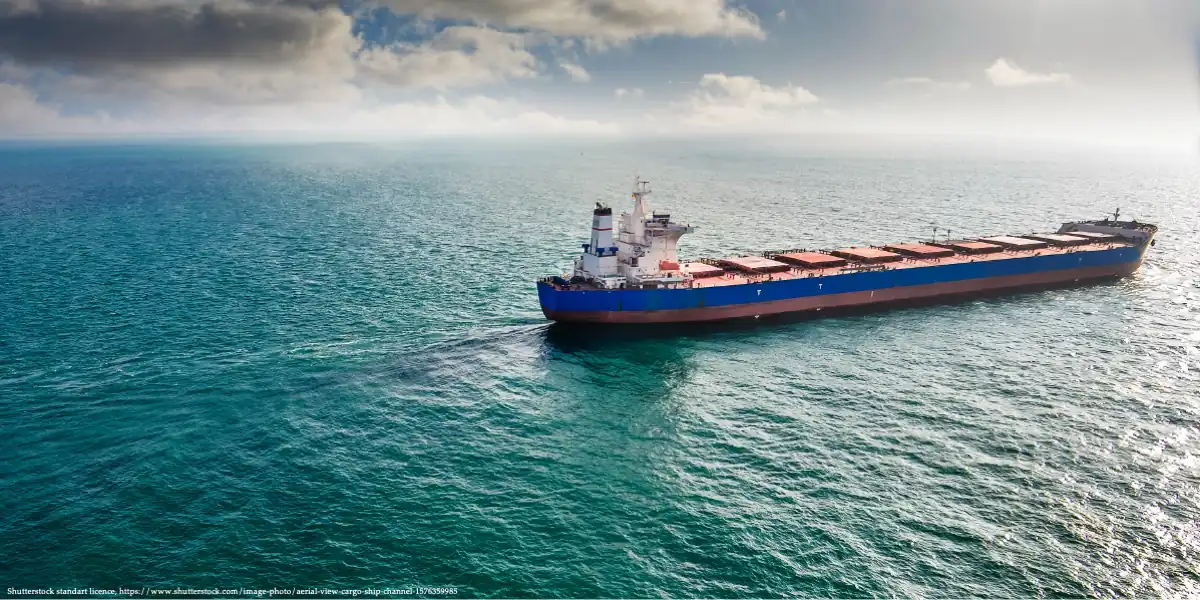
    The December data show that China and Turkey remain major buyers of Russian crude and refined products. Russia also continued to rely on a shadow fleet of tankers operating under false flags. By the end of December, 93 such vessels had delivered nearly €0.8 billion in oil and refined products.

    About 46 percent of crude carried by false-flagged tankers passed through the Danish Straits. This indicates that alternative shipping routes still undermine sanctions.

    Katinas and his co-authors argue that entity-based sanctions and price caps are easy to circumvent. Companies use special-purpose vehicles and shadow shipping to bypass restrictions.

    In response, CREA proposes a full maritime services ban. The measure would target the physical infrastructure of exports. It aims to close loopholes and introduce uniform, volume-based limits on Russian oil revenues.

    The report also highlights shifting import patterns in December. India’s crude imports from Russia dropped sharply. In contrast, China’s seaborne crude imports rose by 23 percent month-on-month. They reached their highest level in four months. France and Spain also increased their Russian LNG imports. The increases were 18 percent and 27 percent, respectively.

    Katinas concludes that current sanctions have reduced Russia’s export income. However, they have not stopped sanctioned exports or neutralized the shadow fleet.

    To read the full December 2025 CREA analysis and Petras Katinas’ insights on how sanctions and export dynamics are evolving, visit the original report on the CREA website.

    Further Reading

    Energy exports are central to Russia’s economy and have long served as a tool of geopolitical leverage for Moscow. Sanctions targeting the energy sector are designed to curb state revenues and diminish Russia’s global influence.

    Explore the latest research on sanctions against Russia and its energy industry in the Sanctions Portal – Evidence Base section.

  • Henrik Wachtmeister: Baltic Route Becomes Russia’s Risky Lifeline

    Henrik Wachtmeister: Baltic Route Becomes Russia’s Risky Lifeline

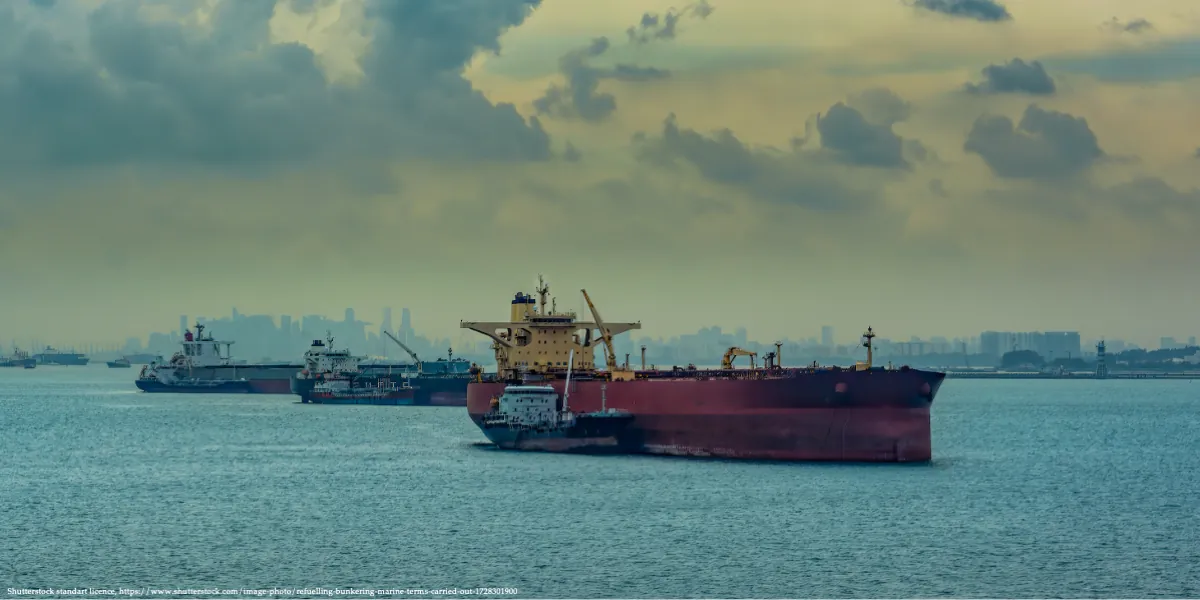
    Rising military tension in the Baltic Sea reflects Russia’s growing desperation to sustain oil revenues. In a recent Forum 24 report, Swedish defense officials warned of increased Russian naval presence and armed escorts accompanying vessels from Russia’s so-called shadow fleet. The Baltic Sea has become a critical export corridor as Moscow seeks to bypass sanctions and finance its war against Ukraine.

    Henrik Wachtmeister, energy researcher at the Department of Earth Sciences at Uppsala University, explained that exports from Baltic ports rose sharply after Ukrainian drone strikes disrupted shipments in the Black Sea.

    “The Baltic Sea is currently a safer export route. It is farther from Ukraine,” Henrik Wachtmeister noted.

    His analysis highlights how geography has reshaped Russia’s oil logistics and reinforced the Baltic’s strategic importance.

    The article also underscores mounting risks. Swedish officials warned of possible military incidents and environmental disasters, as many shadow fleet vessels are aging and lack proper insurance. With as many as 30 tankers transiting the Baltic at a time, concerns extend to potential collisions, oil spills, and hybrid threats. Russian fossil fuel revenues have declined since the start of the invasion, intensifying pressure on the Kremlin to protect this trade route.

    Henrik Wachtmeister cautioned that any attack on these vessels in the Baltic could create severe environmental and security consequences. Salvage operations would be complex and dangerous. To read the full article and Henrik Wachtmeister’s expert insight, visit the original article here.

    Further Reading: Sanctions, Energy, and Russia’s War Economy

    Energy exports remain the backbone of Russia’s economy and a tool of geopolitical leverage. Sanctions targeting this sector aim to reduce state revenue and curb Moscow’s influence abroad.

    Visit the Sanctions Portal Evidence Base to access the latest research on energy sanctions against Russia.

    Review the Timeline of Western Sanctions and Russian Countermeasures to see how both sides have adapted since the full-scale invasion of Ukraine.

  • Henrik Wachtmeister Warns of Growing Shadow Oil Fleet Risks

    Henrik Wachtmeister Warns of Growing Shadow Oil Fleet Risks

    Ukrainian sea drones are emerging as a new threat to Russia’s shadow oil fleet. These attacks could also affect security in the Baltic Sea. In a recent article by Finland’s public broadcaster Yle, experts assessed how Ukraine’s naval tactics are reshaping Russian oil exports and regional risk.

    Despite being weaker at sea, Ukraine has damaged several Russian vessels. Recent attacks have disabled oil tankers by destroying rudders and propellers. As a result, some Russian oil ports in the Black Sea have become unsafe destinations.

    Henrik Wachtmeister on the Shadow Fleet’s Deterioration

    Henrik Wachtmeister, researcher in global energy systems at the Swedish Institute for International Affairs and Uppsala University, warned that the situation is likely to worsen. He explained that pressure on the shadow fleet is increasing.

    “The problems we have with the shadow fleet will likely increase,” Wachtmeister said. “The attacks will likely cause owners to use even more scrapped ships. The condition of the shadow fleet could become even worse.”

    Henrik Wachtmeister added that the main impact is not only the destruction of vessels. Many shipowners are withdrawing from the trade. Others demand higher compensation. This increases discounts on Russian oil and raises operational risks.

    Oil Exports Shift Toward the Baltic Sea

    The Yle article also cites defense analyst Jarmo Nieminen. He noted that drone attacks have reduced oil shipments from the Black Sea. As a result, exports are shifting toward the Baltic Sea and the Gulf of Finland.

    Ports such as Primorsk and Ust-Luga now handle a larger share of Russian exports. According to reported figures, Black Sea oil exports fell sharply after the attacks. At the same time, volumes from the Baltic increased. This shift concentrates risk in a sensitive region.

    Rising Security and Environmental Concerns

    Henrik Wachtmeister cautioned that more shadow tankers in the Baltic Sea raise serious concerns. Damaged or drifting oil tankers would be difficult to control. Salvage operations would be complex and dangerous for regional coast guards.

    He also noted signs of increased Russian military activity in the Baltic Sea. These efforts likely aim to protect the shadow fleet from drone threats. Still, Wachtmeister warned that risks have grown and remain difficult to manage.

    To read the full article and Henrik Wachtmeister’s commentary, visit YLE article here.

  • Benjamin Hilgenstock on Western  Sanctions and Russia’s Shadow Fleet

    Benjamin Hilgenstock on Western Sanctions and Russia’s Shadow Fleet

    Western sanctions on Russia’s oil trade and shadow fleet continue to expand, but enforcement remains uneven. A new article by Vjesti, which refers to the data provided by a recent investigation by Radio Free Europe, discusses the oil tanker Mikati, which was added to the EU sanctions list during an active voyage. Its journey shows how sanctions can disrupt trade without fully stopping it.

    The European Union now targets around 600 vessels linked to Russia’s shadow fleet. These ships often use complex ownership structures and flags of convenience. The Mikati case highlights how these practices complicate enforcement.

    Benjamin Hilgenstock on Mid-Voyage Sanctions

    Benjamin Hilgenstock, senior economist at the KSE Institute in Kyiv, explained the uncertainty sanctions can create. “Sometimes ships are sanctioned while they are already at sea, then someone has to call the buyer and ask if the contract is still valid,” Benjamin Hilgenstock said.

    He noted that sanctions do not always cancel deliveries. Instead, they often lead to delays or renegotiated prices. Buyers may demand discounts to accept higher legal and financial risks. According to Benjamin Hilgenstock, this shows how sanctions disrupt normal trade flows rather than stopping them outright.

    How the Shadow Fleet Adapts

    The article also describes common shadow fleet tactics. These include frequent name changes, new owners, and switching off tracking systems. Sanctioned ships cannot enter EU ports or use Western insurance. However, they can still pass through international waters.

    As a result, oil shipments often continue to markets such as India and China. The trips take longer and cost more. Productivity drops, but exports do not end.

    EU Sanctions Versus US Measures

    The article also compared EU sanctions with those imposed by the United States. Data cited in the article suggests that US sanctions have a stronger impact on shipping activity. Ships under US sanctions travel less and carry less oil. This comparison fuels debate over enforcement strength and global coordination.

    For Benjamin Hilgenstock, the Mikati story offers a clear lesson. Sanctions matter, but timing and coordination are crucial. Without both, ships will keep sailing.

    To read the full investigation and Benjamin Hilgenstock’s analysis, visit the full article here.

    Further Reading

    Energy exports play a central role in Russia’s economy. Moscow has long used them as a source of geopolitical leverage. Sanctions targeting the energy sector aim to reduce state revenue and weaken global influence. Explore the latest research on sanctions against Russia and its energy industry in the Sanctions Portal Evidence Base section.

  • Yuliia Pavytska: New Sanctions Aim to Drive Up Russia’s Shipping Costs for Oil Exports

    Yuliia Pavytska: New Sanctions Aim to Drive Up Russia’s Shipping Costs for Oil Exports

    Western governments are preparing a major shift in sanctions policy aimed at Russia’s oil exports. In a recent article published by VietGiaiTri, analysts examined how the G7 and the European Union plan to restrict maritime services to weaken Russia’s key revenue stream. The strategy reflects growing frustration with existing price caps and Moscow’s ability to adapt.

    The article outlines discussions around a new sanctions package expected in early 2026. Instead of regulating oil prices, the proposed measures would deny Russian tankers access to insurance, repairs, and other essential maritime services in G7 and EU countries. Since most global maritime insurance is controlled by Western firms, the policy is designed to “stifle” offshore oil revenues and raise Russia’s logistics costs.

    Yuliia Pavytska, Manager of Sanctions Programme at the KSE Institute, offered insight into the potential market impact of these measures. Pavytska noted that despite tighter restrictions, global oil prices are unlikely to surge. She pointed to forecasts showing a supply surplus of about four million barrels per day next year, with producers such as Saudi Arabia able to offset disruptions. Yuliia Pavytska emphasized that sanctions pressure will primarily affect Russia’s revenues rather than global supply stability.

    The article also explored broader challenges linked to enforcement. A growing “clandestine” or shadow fleet already transports much of Russia’s oil outside Western legal frameworks. According to industry estimates cited in the report, this fleet now handles a majority of Russia’s seaborne crude exports. Yuliia Pavytska warned that even a full ban on maritime services is not a cure-all. She cautioned that tougher sanctions could accelerate the expansion of this shadow fleet, complicating long-term enforcement efforts.

    To explore the full analysis and Yuliia Pavytska’s commentary on the evolving sanctions strategy, read the complete article on VietGiaiTri.

  • Torbjörn Becker: frozen Russian state assets as Advance War Reparations

    Torbjörn Becker: frozen Russian state assets as Advance War Reparations

    Despite the war in Ukraine, the European Union is looking for ways to unlock frozen Russian state assets. The goal is to increase financial support for Ukraine. In a recent media article, the debate centered on whether these funds could work as an early form of war reparations. This could happen even before any formal legal process ends.

    Frozen Russian central bank assets could serve as “a kind of advance on future war reparations.” said Torbjörn Becker, Director of the Stockholm Institute of Transition Economics.

    He added that reparations are usually settled after wars end. But Ukraine, however, needs emergency funding now. Torbjörn Becker said the case is unusually direct because the money already exists. It is also under Western control. About $300 billion in Russian assets remain frozen. Most of it is held at Euroclear in Belgium. Becker downplayed concerns about investor confidence. He said this is a consequence of an illegal war of aggression. It is not a model for arbitrary asset seizures.

    The article also pointed to past examples. It referenced Iraq’s post–Gulf War reparations to Kuwait. Those payments drew partly on frozen assets and future revenues. Torbjörn Becker noted that war reparations are often hard to collect. They can also become politically charged. Outcomes may depend on regime change and future diplomatic ties.

    Read the Full Article

    To read the full commentary and explore Torbjörn Becker’s expert analysis, visit the original article here.

    Further Reading

    Cutting Russia’s revenue requires a coordinated strategy. It should target energy exports, essential materials, and critical technologies. Wider trade, financial, and military restrictions also matter. They can weaken the war effort and reduce global reach.

    For deeper insights into how sanctions shape Russia’s economy, visit the Sanctions Portal Evidence Base. To learn more about Western measures and Russia’s responses, explore the Sanctions Timeline.

  • Benjamin Hilgenstock: Ukraine’s Drones Are Squeezing Russia’s Oil Revenues

    Benjamin Hilgenstock: Ukraine’s Drones Are Squeezing Russia’s Oil Revenues

    Ukraine is using low-cost naval drones as one of its most effective tools against Russia’s shadow oil fleet. A recent Euromaidan Press article shows how repeated drone strikes raise insurance costs and disrupt tanker operations. These effects extend far beyond the physical damage. The campaign marks a shift from traditional sanctions to direct economic pressure at sea.

    “The price cap is, to all intents and purposes, dead,” said Benjamin Hilgenstock, Director of the Center for Geoeconomics and Resilience at the KSE Institute. He explained that Ukraine’s drone strategy succeeds where Western sanctions have struggled. Russia continues to export oil despite formal restrictions.

    Benjamin Hilgenstock noted that growing risks for the shadow fleet are driving up costs for Moscow. Even when drones do not sink tankers, they trigger delays, repairs, and higher insurance premiums. These pressures make oil transport slower and less efficient.

    The article reports that five tankers suffered damage or disruption in just two weeks. Some vessels entered emergency repairs, while operators withdrew others from Russia-linked routes. Maritime insurers cited in the report say war-risk premiums for Black Sea tankers have risen by up to 250 percent. These added costs create an economic burden that sanctions alone failed to impose.

    Ukraine is not attempting a physical blockade. Instead, its strategy focuses on sustained financial pressure. As Hilgenstock observed, rising risks make it more expensive for Russia to move its oil. The long-term impact on war financing remains uncertain. However, the campaign is already reshaping maritime trade linked to Moscow.

    To read the full analysis and Benjamin Hilgenstock’s commentary, visit the original article in Euromaidan Press.

    Further Reading

    Energy exports play a central role in Russia’s economy. Moscow has long used them as a source of geopolitical leverage. Sanctions targeting the energy sector aim to reduce state revenue and weaken global influence. Explore the latest research on sanctions against Russia and its energy industry in the Sanctions Portal Evidence Base section.

  • U.S. Sanctions Targeting Russian Oil Giants on U.S. Sanctions Targeting Russian Oil Giants

    U.S. Sanctions Targeting Russian Oil Giants on U.S. Sanctions Targeting Russian Oil Giants

    U.S. sanctions on Russian oil giants Rosneft and Lukoil are reshaping how pressure on Moscow spreads across global markets. In a new FREE NETWORK Policy Brief, SITE experts Maria Perrotta Berlin and Chloé Le Coq examine the fallout for Russia’s budget and the growing strains inside Europe’s sanctions coalition.

    The policy brief, published on December 8, 2025, explains that the sanctions took full effect after a wind-down period ending on November 21, 2025. A central focus is the “secondary sanctions” risk. This risk can deter banks and firms worldwide from dealing with sanctioned entities. That leverage helps the United States extend pressure beyond its own jurisdiction. 

    Experts highlight how secondary sanctions change commercial behavior. When access to U.S. dollar payment channels is at stake, traders, insurers, and financial institutions often exit transactions. The brief links this dynamic to immediate market reactions, rising frictions for counterparties, and weaker revenue prospects for Russia’s oil sector. Over time, these pressures can reduce investment capacity and compress fiscal inflows tied to oil and gas exports. 

    The brief argues that lasting EU unity requires clearer burden-sharing and stronger energy integration, so security-of-supply concerns do not become permanent political veto points. 

    To read the full analysis by Maria Perrotta Berlin and Chloé Le Coq, see U.S. Sanctions on Rosneft and Lukoil: Pressure on Moscow, Strains on Europe at the FREE NETWORK website.

    Further Reading

    Energy exports sit at the heart of Russia’s economy and have long served as a tool of geopolitical leverage. Sanctions targeting the energy sector are designed to curb state revenues and limit Moscow’s ability to project power abroad. For the latest research on sanctions on Russia and its energy industry, visit the Sanctions Portal Evidence Base section.
  • Benjamin Hilgenstock on Ukraine’s New Attacks Against the Shadow Fleet

    Benjamin Hilgenstock on Ukraine’s New Attacks Against the Shadow Fleet

    Ukraine has launched a new phase of attacks against Russia by targeting its so-called shadow fleet. These actions come as US-led peace talks enter a critical stage. In a recent Financial Times article, Kyiv confirmed for the first time that it has struck oil tankers used to bypass Western sanctions.

    Naval drones hit two sanctioned vessels near Turkey’s Black Sea coast. Ukrainian officials said the goal was to reduce Russia’s war revenues. The attacks also aim to show Ukraine’s continued military reach despite pressure on the front lines.

    Benjamin Hilgenstock on Sanctions Evasion

    Benjamin Hilgenstock, an oil sanctions expert at the KSE Institute, explained how shadow fleet vessels operate outside formal oversight. He noted that some tankers involved in recent incidents have repeatedly manipulated tracking systems.

    Hilgenstock pointed to the Turkish-owned tanker Mersin as an example. The vessel is not under Western sanctions. However, it has sailed almost exclusively from Russian ports since late 2023. It has also repeatedly interfered with its automatic identification system, a common sanctions-evasion tactic.

    Rising Costs and Risks for Russian Oil Exports

    The Financial Times article explains that Ukraine is shifting from fixed targets to mobile ones. Instead of only striking refineries or terminals, Kyiv is now targeting oil transport itself. Analysts say this raises costs, risks, and uncertainty across Russia’s energy supply chain.

    Although only a small number of ships have been hit, the signal is clear. Tanker owners may reconsider involvement in the Russian oil trade. Insurance costs and freight rates are also likely to rise.

    Geopolitical and Market Implications

    Russia has condemned the attacks and warned of possible retaliation. Turkey has described the incidents as a dangerous escalation. At the same time, analysts note that Ukraine appears to be avoiding environmental risks by striking empty vessels.

    Benjamin Hilgenstock’s analysis highlights how sanctions enforcement is evolving. Attacks on the shadow fleet add pressure where traditional measures have fallen short. They also underline the growing complexity of monitoring Russia’s oil exports.

    To read the full article and Benjamin Hilgenstock’s commentary, visit the Financial Times here.